

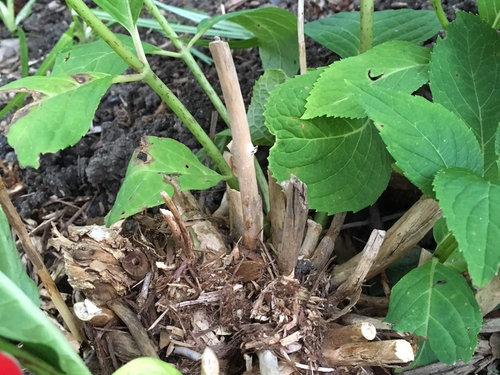
My blue hydrangeas roots
10 years ago
Featured Answer
Sort by:Oldest
Comments (8)
 10 years agolast modified: 10 years ago
- 10 years ago
Related Professionals
Madison Landscape Architects & Landscape Designers · Cincinnati Landscape Architects & Landscape Designers · Niles Landscape Architects & Landscape Designers · Murrieta Landscape Architects & Landscape Designers · Great Bend Landscape Contractors · Salina Landscape Contractors · Fayetteville Landscape Contractors · Spring Landscape Contractors · Omaha Landscape Contractors · Eureka Landscape Contractors · Meridian Design-Build Firms · Portsmouth Design-Build Firms · Oklahoma City Design-Build Firms · Sioux City Design-Build Firms · York Design-Build Firms- 10 years ago
 10 years ago
- 10 years ago
- 10 years ago
 10 years ago

Related Stories

GARDENING AND LANDSCAPINGHave a Ball With Hydrangeas
Even if you don't tinker with the hue by changing the soil, hydrangeas have an entertaining range of uses in all kinds of landscapes
Full Story
GARDENING GUIDESGreat Design Plant: Oakleaf Hydrangea
Consider this full, flowering shrub for year-round beauty in the garden as you plan your fall plantings
Full Story
GARDENING GUIDESThe Beauty of Bare-Root Plants
Plant dormant trees and shrubs in fall using the easy, affordable bare-root method and enjoy beautiful results in spring
Full Story
ARCHITECTURERoots of Style: See What Defines a Craftsman Home
Charming features and intimate proportions have made Craftsman houses an American favorite. See their common details and variations
Full Story
ARCHITECTURERoots of Style: Ranch Architecture Roams Across the U.S.
Great remodeling potential and generously spaced sites make ranch homes ever popular. Is one of the many variations right for you?
Full Story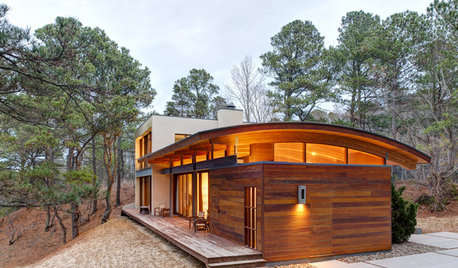
ARCHITECTURERoots of Style: The Segmental Vault Home
Distinctive and proud, these houses may be more common than you might first realize
Full Story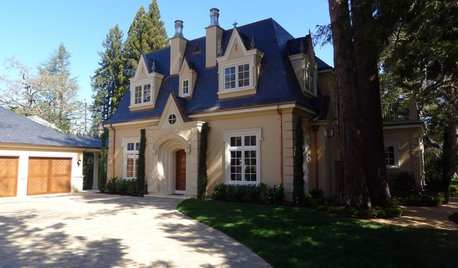
TRADITIONAL ARCHITECTURERoots of Style: Château Architecture Strides Through a Century
Live like a lord with design details that recall French estates of old, even if they're scaled down and updated for today
Full Story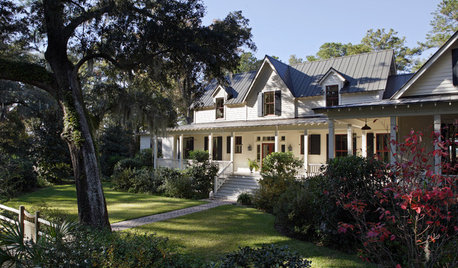
ARCHITECTURERoots of Style: American Farmhouses Pay Tribute to Regional Traditions
With simple forms and details that honor their locales, farmhouse architecture transcends time
Full Story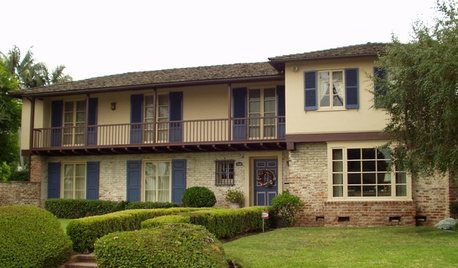
ARCHITECTURERoots of Style: Colonial Monterey Sets the Stage for Unique Design
French, Spanish and English features mix in enigmatic Monterey-style architecture. Here's how to recognize this type of home
Full Story
HOUZZ TOURSHouzz Tour: Georgia Peach Grows California Roots
Southern Glamour and Bay Views Combine in Lush San Francisco Home
Full Story
luis_pr