Software
Houzz Logo Print
nawalton

Fungus or under watered?

10 years ago
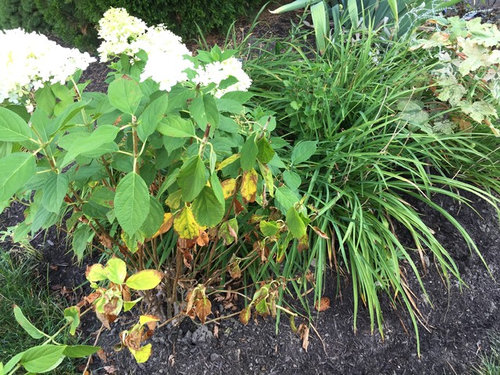
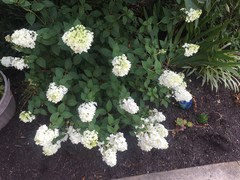
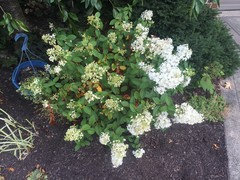
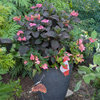
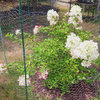
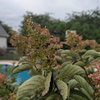
Hi everyone. I'm having issues with some of the leaves on two types of hydrangea paniculata. Any help would be great! I'm wondering if the recent heat is too much for them or if I'm under watering. Possibly a fungus?


Comments (13)

  • 10 years ago

    Looks a lot like heat stress and underwatering to me :-) Lack of adequate water generally results in the lower leaves yellowing and drying then falling off, much as your plant displays. Try a good, deep soaking every so often as the weather dictates.

    It sure doesn't appear to be any sort of fungal issue.

  • 10 years ago
    last modified: 10 years ago

    Yes, under watered. The soil looks dry. I would maintain 2-4" of mulch year around, up to the drip line, and I would also try to maintain the soil as evenly moist as you can so: no periods of dry soil, followed by periods of wet soil, then dry soil again, then wet soil and so forth.

  • 10 years ago

    Looks like overwatering to me.

  • 10 years ago

    Ok thanks everyone. I'll get some more mulch on the roots to help keep them cool and moist. My watering is daily, except on raining days.

  • 10 years ago

    Sounds like improper watering either way. The aim should be to provide evenly moist soil at all times. As best as you can, of course.

    To decide when to water, insert a finger into the soil to a depth of 4" and water only if the soil feels dry or feels almost dry. Test the water like this daily, early in the mornings, for 2-3 weeks. When you have to water, give the plant 1.5 gallons of water per watering in the Summer. Also note in a wall calendar when you watered. After 2-3 weeks, calculate on average how often you were watering the plant (every 2/3/4/etc days for example). Then set the sprinkler to give the plant 1.5 gallons of water every 2/3/4/etc days.

    In the Spring, you can give the plant 1 gallon of water. Likewise when the temps come down in the Fall. Then water once a week or once every two weeks after the plant has gone dormant. And stop watering until Spring if the ground freezes where you live.

  • 10 years ago
    last modified: 10 years ago

    Thanks Luis. The ground is extremely dry after one day out of deep watering. I'm leaning towards adding more mulch to try to help with water evaporation.

    We have seen 90+ degrees this summer with sunshine. The normal around here is usually 80s with consistent intermittent rain in June/July.

    I need to to find a better way to water plants from nursery going into the ground. Maybe heavier mulch. I mulched in early June at 3" but it's looking thin in some areas.

    Here is a comparison of two hydrangeas with a difference of two hours more sun in the evening. This kind of makes me wonder if it's more heat stress / wind?

  • 10 years ago
    last modified: 10 years ago

    Yes, I too lean towards needing more water. Paniculatas here in Texas respond to plain old heat by turning some lower leaves yellow, dropping them and exposing their "feet". After temps get to the daily 100s in July-September, if I fail to water on schedule then I notice blooms browning early and some leaves browning from the edges inwards. They get distressed quite fast (less than a week) in hot/drying conditions.

    Make sure you are watering them about 1.5 gallons each time you water. Water deeply and less often but do not be afraid to water extra if you find the shrub in distress. Smaller amounts of water that were fine in the Summer may be insufficient. The lack of mulch helps water evaporate so your plan of replacing/putting 2-3" of mulch is a good one.

    My sister did not account for daily 100s temps during this last week. And when I went to check her paniculata, uugh, I had dried extensively so this drying is a process that occurs easily and fast. Let's say that either of yours would qualify as being "green" and "not in as much distress" (HA!) compared to that old poor thing. I had to set up a drip to re-hydrate it.

  • 10 years ago

    I might have to get a soaker because there are days where I just can't make it outside before nightfall. I am trailing the limelight to get a good idea on how well a 60' hedge will go. Looks like there is still some work on my part to be done.

  • 10 years ago

    No paniculatas need daily watering in zone 6. If you continue to water daily, you'll only get into more trouble. I haven't watered any of mine for more than a few minutes total all year, and the monthly rainfail average this summer has only been 2.5 inches. It's currently 93 and sunny with an index of 101 and none of them are drooping or losing leaves...

  • 10 years ago

    I tend to lean to the heat combined with insufficient water as well. Although our hottest day so far this season have been in the spring, it is now warming up and combined with our usual lack of any summer rain, frequent watering is definitely required for most hydrangeas, full sun location or not. And we have milder temps nowhere near the 90's or above!! Zones really have nothing to do with it as they are no reflection of the natural rainfall patterns nor the amount of heat you may be experiencing.

    Odd as it may sound, daily watering may not be adequate if the watering is light (as with a sprinkler or water wand) or doesn't penetrate the soil deeply enough. Frequent but shallow watering encourages a very shallow root system, resulting in a plant that is less drought tolerant than typical and more prone to heat stress. Less frequent but low and slow watering (i.e. soaker hoses, drip systems or even just a hose on a bare trickle) will encourage deeper water penetration and the plant roots will follow. Deeper roots mean increased drought tolerance and a need for less frequent irrigation.

  • 10 years ago

    Am I correct that this plant was planted recently? If so, the immature roots combined with heat and dryness are most likely the issue. Once established, I rarely water H. paniculata plants here, even with little rain in all day sun, but until they are established, like most other plants they need more attention to water.

  • 10 years ago

    Yes. Against my better judgement I picked what was a beautiful specimen up in the middle of July. Usually if I can get these to make it through the first summer I don't need to supplement with water in subsequent years.


    I think an additional issue I face with new planting a is constant deer attacks. Even with multiple deterrents, they come in and maul new plants quickly but leave previous ones more alone, possibly due to less flowering or timing of flowering.