

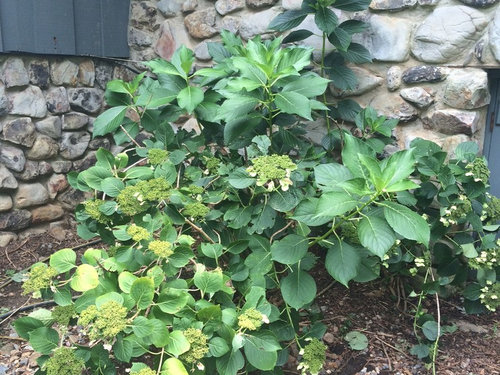
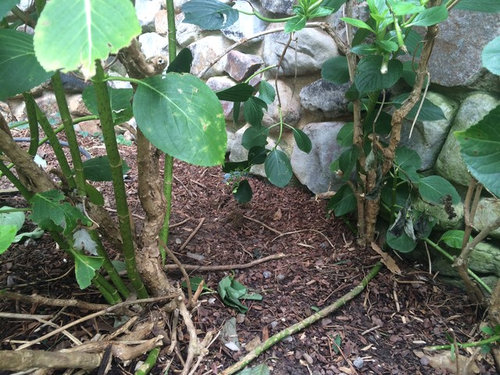
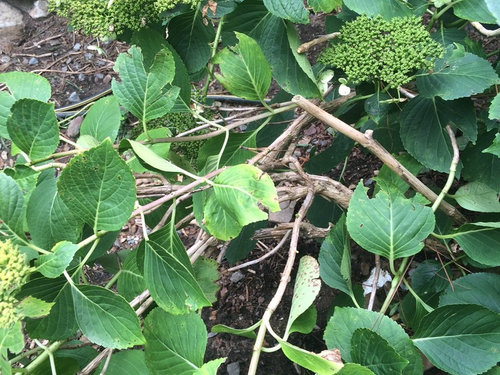
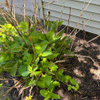
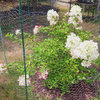
Can these be saved???
10 years ago
Sort by:Oldest
Comments (2)

Related Stories
LIFEYou Said It: ‘You Can Help Save the Bees’ and More Houzz Quotables
Design advice, inspiration and observations that struck a chord this week
Full Story
KITCHEN DESIGN7 Ways to Save on Your Kitchen Remodel
Discover key areas where you can economize and still get the kitchen of your dreams
Full Story
SAVING WATER11 Ways to Save Water at Home
Whether you live in a drought-stricken area or just want to help preserve a precious resource, here are things you can do to use less water
Full Story
PETS5 Finishes Pets and Kids Can’t Destroy — and 5 to Avoid
Save your sanity and your decorating budget by choosing materials and surfaces that can stand up to abuse
Full Story
SHOP HOUZZShop Houzz: Save up to 50% on Oven-to-Table Cookware
Save time and dish-washing effort with cookware you can use for serving too
Full Story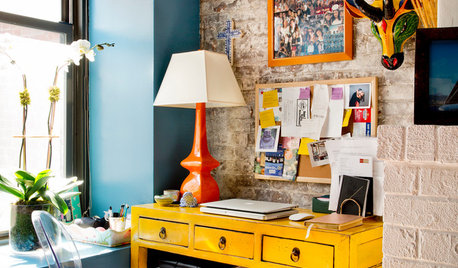
HOME OFFICES15 Home Office Areas Houzzers Love to Save
See the new desk areas with the most saves to ideabooks. Is there a detail here you can use?
Full Story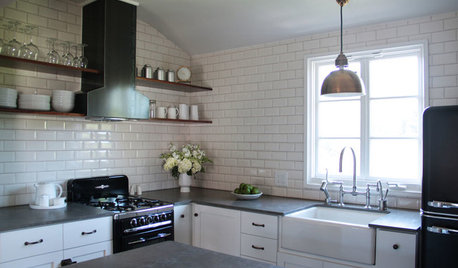
KITCHEN DESIGN10 Big Space-Saving Ideas for Small Kitchens
Feeling burned over a small cooking space? These features and strategies can help prevent kitchen meltdowns
Full Story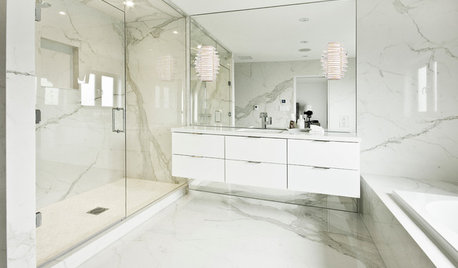
DECORATING GUIDESLook-Alikes That Save Money Without Skimping on Style
Whether in woodwork, flooring, wall treatments or tile, you can get a luxe effect while spending less
Full Story
SHOP HOUZZHouzz Products: Save a Taste of Summer
Can't bear to part with the flavors of summer peaches, berries and tomatoes? Then jam on it!
Full Story
KITCHEN CABINETS9 Ways to Save Money on Kitchen Cabinets
Hold on to more dough without sacrificing style with these cost-saving tips
Full Story
luis_pr
NHBabs z4b-5a NH
Related Professionals
Flint Landscape Architects & Landscape Designers · Spanish Fork Landscape Architects & Landscape Designers · Augusta Landscape Contractors · Indianapolis Landscape Contractors · Platteville Landscape Contractors · Concord Landscape Contractors · Billings Landscape Contractors · Evansville Design-Build Firms · Branson Design-Build Firms · Spring Design-Build Firms · Harrisonburg Design-Build Firms · Wheeling Design-Build Firms · Helena Design-Build Firms · Scottsbluff Design-Build Firms · Cornwall Design-Build Firms