

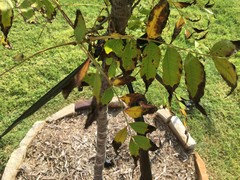
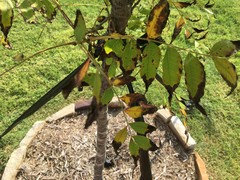
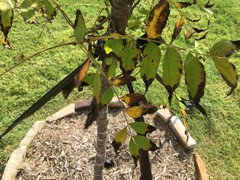
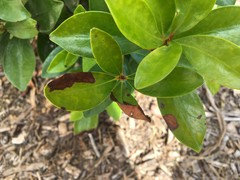
Watering too much?
10 years ago
Featured Answer
Sort by:Oldest
Comments (9)
 10 years ago
Related Professionals
Branson Landscape Architects & Landscape Designers · Raleigh Landscape Architects & Landscape Designers · Danbury Landscape Architects & Landscape Designers · Evansville Landscape Contractors · Hannibal Landscape Contractors · Champaign Landscape Contractors · Elgin Landscape Contractors · Mission Viejo Landscape Contractors · San Francisco Landscape Contractors · Atlanta Stone, Pavers & Concrete · Annapolis Stone, Pavers & Concrete · Danbury Stone, Pavers & Concrete · Mission Viejo Stone, Pavers & Concrete · Sacramento Stone, Pavers & Concrete · Evanston Stone, Pavers & Concrete- 10 years ago
- 10 years ago
- 10 years ago
- 10 years ago
- 10 years ago
- 10 years ago
Related Stories

SAVING WATER11 Ways to Save Water at Home
Whether you live in a drought-stricken area or just want to help preserve a precious resource, here are things you can do to use less water
Full Story
GARDENING GUIDESGreat Design Plant: Anemone Canadensis Adds Pizzazz to Water’s Edges
Plant Canadian anemone along pond, lake or stream edges for a splash of white flowers in late spring
Full Story
GREAT HOME PROJECTSHow to Switch to a Tankless Water Heater
New project for a new year: Swap your conventional heater for an energy-saving model — and don’t be fooled by misinformation
Full Story
LIFEThe Top 5 Ways to Save Water at Home
Get on the fast track to preserving a valuable resource and saving money too with these smart, effective strategies
Full Story
GREEN BUILDINGWater Sense for Big Savings
Keep dollars in your pocket and preserve a precious resource with these easy DIY strategies
Full Story
GREEN BUILDINGJust Add Water: Rain Barrel Magic
Take your rainwater storage from practical to beautiful with a new breed of design-friendly rain barrels
Full Story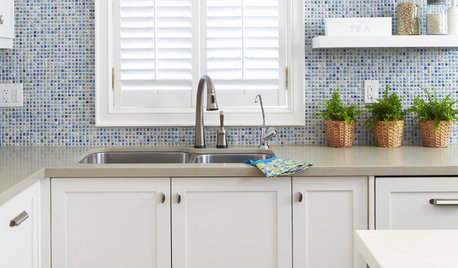
HEALTHY HOMEHow to Choose a Home Water Filtering System
Learn which water purification method is best for your house, from pitchers to whole-house setups
Full Story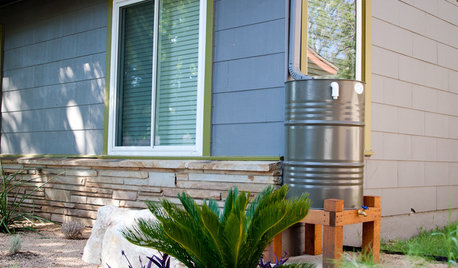
GREEN DECORATINGEasy Green: Big and Small Ways to Be More Water-Wise at Home
These 20 tips can help us all make the best use of a precious resource. How do you save water in summer?
Full Story
SAVING WATERXeriscape Gardens: How to Get a Beautiful Landscape With Less Water
Conserve water and make gardening much easier with the xeriscape approach’s 7 principles
Full Story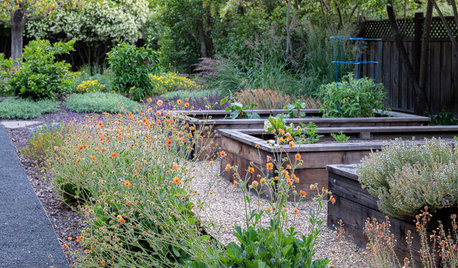
GARDENING GUIDESEssential Watering Tips for Your Edible Garden
To give your edible plants just what they need, check out these guidelines for how, when and how much to water
Full Story
Sponsored
southofsa