Software
Houzz Logo Print
miscel

Powdery mildew?

10 years ago
last modified: 10 years ago
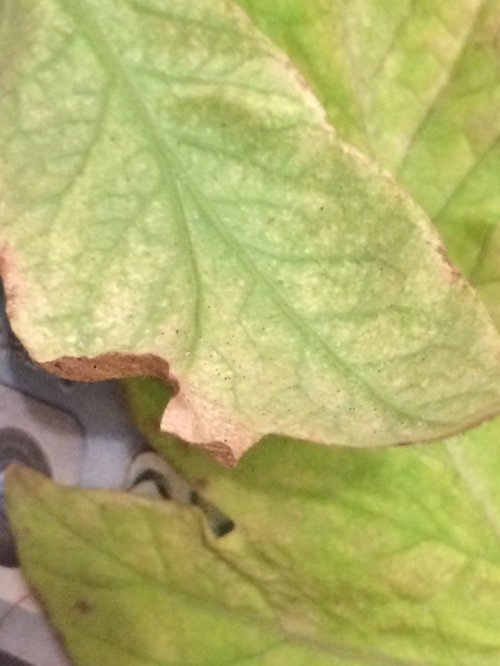
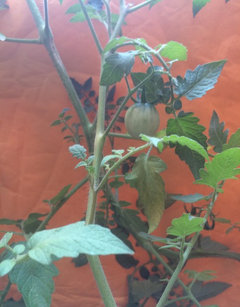
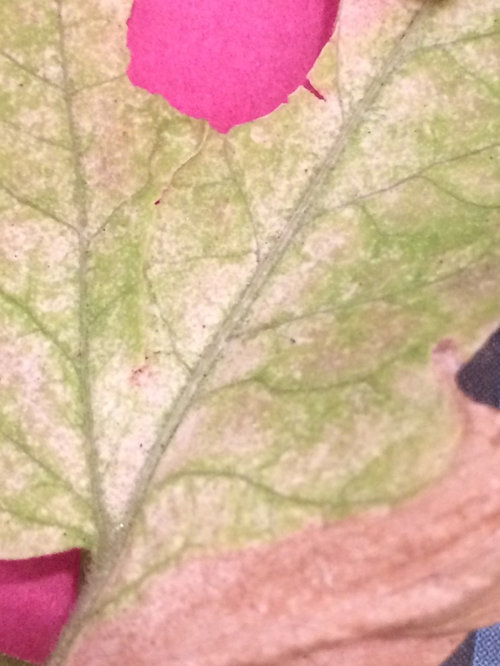
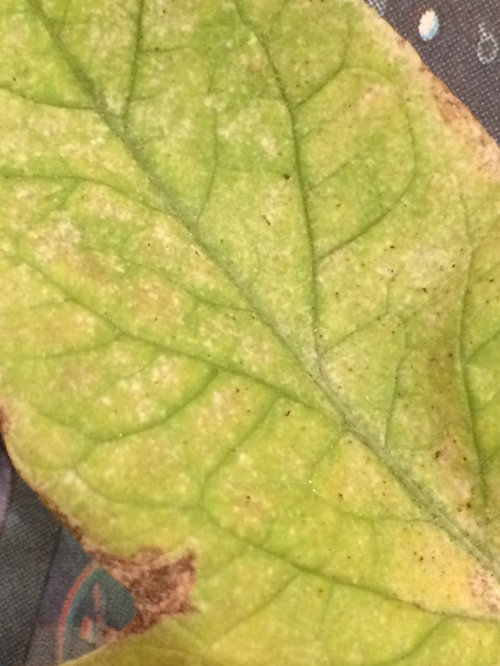
This morning as I was watering my tomatoes I noticed that the older yellow leaves of had a whitish coating on it. The younger and greener leaves are fine. I think it's powdery mildew, but I'm not sure. Attached are the photos of a few leaves I pulled off.

If it is powdery mildew, any recommended strategies? I read about the Cornell Formula as well as a milk and baking soda version of it. But it seems most people use it as a preventive measure and those who used it as a treatment didn't report back if it actually worked. Do the Cornell baking soda solution (1 gallon water, 1-3 tablespoon baking soda and/or 1 Tablespoon oil and 1-2 drops dish soap) or the milk solution work? I'll also come across just 1 tablespoon to 1 gallon of water version. Don't know if it works as a treatment. Anyone know?


Comments (8)

  • 10 years ago
    last modified: 10 years ago
    Sorry, but this is best I could do. Because I'm in a building a few stories up, the outdoor space is small and narrow. I wasn't able to get a picture of the whole plant without the photos looking odd. My plants aren't very bushy which didn't help.

    You might be right that it's a nutrition deficiency, but I didn't have this issue last year. I've been feeding them coffee grounds, epsom salt, bananas, and finely crushed egg shells which is more than what I did before. I added compost when they were first planted.

    I live in the NE and from what I've read about PM it seems humidity plays a big role. It's been very humid and hot here with very little breeze.

    As for the mites. I took a closer look when I sprayed the leaves with the baking soda (dish soap and oil) solution and I didn't see any signs of mites. I know that in the photos there are a few black specks, but that's basically the extent of the black specks that I saw. Most of the leaves have no marks except for the whitish finish which I realized are also on even the greener leaves. Are the mites visible to the eye?

  • 10 years ago

    I can't really see much in that photo, sorry. Your original photos do not look like powdery mildew to me. Powdery mildew has powdery white spots which should also be visible on many leaves that are still green. If it's an advanced case, the spots will coalesce until the leaves look like they're coated in talcum powder. It will look and feel very fine and powdery, not feel granular at all.

    The leaves in your photo look to me like very nitrogen deficient leaves with mite damage or damage from some other sap-sucking pest on them. When was the last time you fertilized those plants?

    As for the mites, that's just a guess based on the appearance of a few leaves, but I can't see enough to be sure. If you have mites, you would also have leaves that are still mostly green which have fine white speckles on them like this.

    I think you should examine the undersides of leaves with a magnifying glass (mites are very small and often not visible to the unassisted eye). Or you can put a piece of clean paper under some affected leaves and tap the leaves, and if mites are there, some will fall down onto the paper, and you may be able to see them moving around, either with a hand glass or your naked eye, depending on your vision.

    miscel thanked gorbelly
  • 10 years ago

    Interesting, because I've been feeding them diluted leftover coffee and weekly coffee grounds. (I've been drinking a lot of cold brew coffee this summer.) I was thinking about cutting back on the coffee, because I read that too much nitrogen can interfere with the plant flowering and producing fruit. I guess I'll give them more coffee grounds this weekend.

    I'll take closer look tomorrow at the plants for mite damage and try tapping the leaves on a white paper for any mites. I didn't see any leaves that look liked the one you linked. As for leaves I pulled off this morning they felt like they were coated with talcum powder. They had a powdery white finish to them, though no white spots like in your photos. Looking tonight, the greener leaves look like someone lightly dusted flour on them. I'm stumped. I guess this weekend I'll spray some Safer insecticidal spray on the leaves and alternate with my homemade Cornell formula spray.

  • 10 years ago
    last modified: 10 years ago
    miscel: Interesting, because I've been feeding them diluted leftover coffee and weekly coffee grounds.

    This won't provide anywhere near the nutrition a fruiting tomato plant needs. "Home remedy" fertilizers are much poorer in nutrition than many Internet "gurus" claim, are usually not balanced correctly or complete for a tomato plant's needs, and they require a long period of being broken down by soil microbes for most of that nutrition to become available to plants. In containers, the ecosystem may simply never be sufficient to do so.

    Even in-ground, unless you've been working for a long time to carefully build your soil with organic matter, tomatoes will need actual fertilizer to stay healthy and produce according to their potential. It's not that it's impossible to grow without fertilizer... it's just much more difficult than most people claim and it takes a long time to lay and maintain that foundation of rich organic material.

    For a quick perk-up, something like Miracle Gro specifically for tomatoes (not the normal Miracle Gro) will work well. Not my favorite fertilizer for long-term feeding, but at this point in the season, it's a good, readily available option, and for container growing, something like Miracle Gro can be better than more organic fertilizers. The most successful container growers I know use liquid fertilizer formulated for tomatoes and feed very often.

    miscel thanked gorbelly
  • 10 years ago
    last modified: 10 years ago

    gorbelly - Thanks for the advice and for the information. To be honest I'm not in favor of fertilizers which I realize may be an unpopular opinion here. Growing up, my parents always had a vegetable garden in which tomato plants were a constant. All the kids helped plant and maintain the garden. My parents amended the soil with food scraps, cut grass, leaves, etc. The plants were productive. The biggest problem were the rabbits.

    Living in the city, I am limited and I know not to expect the same results as my parents with their plants. I'm okay if my yields are less, but I still prefer not to use fertilizers for the tomatoes. Yeah, dealing with stuff like mites, mildew, it's all new to me, though I expected challenges growing in containers in the city. I still find it crazy that I'm growing anything in my apartment.

  • 10 years ago
    last modified: 10 years ago

    Well, everyone has their own philosophy. Just know that it's almost impossible to keep container plants healthy throughout a whole growing season with the use of only kitchen scraps and that tomatoes need a lot of food to produce well and stay healthy all season. Remember that a container in the city is a highly artificial growing environment to begin with and is not the same at all as a well-prepared organic garden in the ground with a functioning soil ecosystem.

    Technically, anything that nourishes plants, including compost, is fertilizer--it's just a question of whether the nutrients provided are in sufficient quantity and in the right proportions for whatever you're trying to grow. So I suggest a worm bin for future seasons. Compost your kitchen waste throughout the year, save the compost, and use that during the growing season.

    Even in-ground tomato plants need constant, regular re-applications of organic matter and compost throughout the growing season if it's going to be one of the only sources of nutrition. Mixing in some in at the beginning is not nearly enough and gets exhausted just as the plants are entering the phase of highest nutrient demand (flowering and fruiting). And since there's a very limited ecosystem in a container plant in an urban setting, it's best to let the worms and other organisms present in a well-balanced, highly biologically active worm bin pre-digest the scraps and do the work of making some of that nutrition bioavailable to the plants, because that process is not going to happen very well in a container.

    Also, there are some undesirable pest issues that could arise with things like putting banana peels in your containers in an urban environment.

    As long as you accept all this and know what to expect, then it's really just your personal decision.

    miscel thanked gorbelly
  • 10 years ago
    last modified: 10 years ago

    Yes, I'm aware of the challenges of container gardening in less than ideal circumstances. I hesitated for years because it seemed quixotic, but last year I decided to just go for it. Believe me, I did look into this before jumping in. I'm not as much as a neophyte as you may think. And like I said, I grew up gardening and my parents are still active gardeners.

    I do vermicompost and, weirdly, my tomato containers have red worms in them. It just happened that way. As for the banana peels, I've been careful to add small quantities and to monitor the containers for any pests. Because my apartment has strange bugs, I'm very mindful (and paranoid) of pests. Since my vermicompost is ready I guess I will add some this weekend rather than store it for later use.

    Hopefully, the insecticidal spray or the homemade baking soda solution will work. I doubt this hot humid weather will help.

Sponsored
Landscape Management Group
Average rating: 4.9 out of 5 stars33 Reviews
High Quality Landscaping Services in Columbus
More Discussions