Software
Houzz Logo Print
sam_md

Cotoneaster conundrum

10 years ago
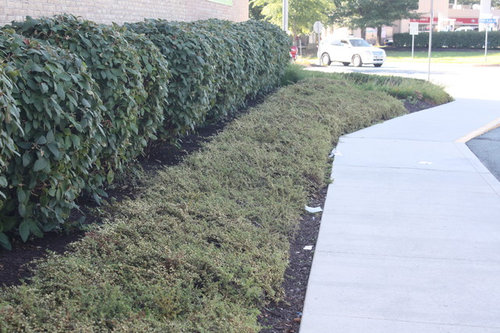
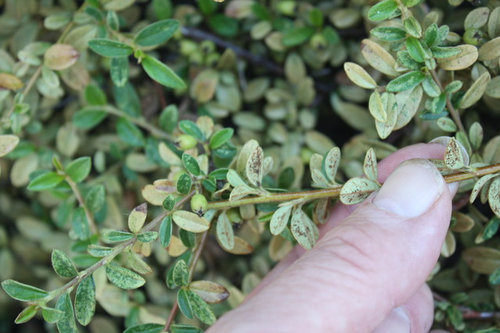
Yuck!, bland, boring shrubbery in front of supermarket. Cotoneaster foliage yellowed and washed out, but why?


Comments (9)

  • 10 years ago

    Probably mites, as Ken says. Very common to groundcover cotoneaster subject to hot, dry conditions.

    btw, "bland and boring" but very durable and hardy is pretty much SOP for commercial parking lots. Having consulted on several supermarket landscaping projects - the brief is usually very short and to the point: Low maintenance, drought tolerant and able to withstand considerable abuse and neglect. Cotoneaster fits that bill very nicely. Creativity in plant choices is not high on the list :-)

  • 10 years ago

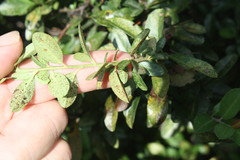
    lookie what I found this morning - the same thing on pyracantha:

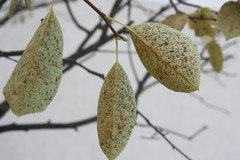
    the same thing on Amelanchier:

    if you can name it you can claim it!

  • 10 years ago

    Lacebug? Can't see well at that mag.

  • 10 years ago

    I think you got it Dave. On line info states Hawthorne lacebug attacks pyracantha, quince, cotoneaster, etc. ...... they deposit black eggs on lower surface of leaves.

    This one is a serious pest for us. Am a little concerned that my Photinia serratifolia that I've been coddling may be vulnerable.

  • 10 years ago

    Lacebug seems to have off and on years (on some of my azaleas). Couple years ago they were bad! This year, nothing.

  • 10 years ago

    Looks just like the lacebug damage on most of my azaleas and some rhodies, even PJM and Blue Diamond! I hope it's just temporary. I had some damage last year too, but not near as much. My neighbor's azaleas are also being eaten.

    Mike

  • 10 years ago

    Apparently the black specks on the leaf underside are excrement. The eggs are inserted in the leaf midrib underside and that's how they overwinter.This BLE factsheet states Recognition of the host plant is helpful in identifying lace bugs because these insects are highly host specific. Azalea, Rhododendron and Andromeda have their specific lace bugs. I will not own Pieris of any species, once they get infected, very hard to rid them of lace bugs.

  • 10 years ago
    last modified: 10 years ago

    Sam, those black tarry spots are a sure sign that lacebugs are present. The actual insects are rather difficult to see, even though they aren't very small.....just well disguised.

    The eggs are hidden under the black poop, by the way.

    If these plants were yours, I'd suggest a couple of horticultural oil applications, applied with a sprayer that has an upward deflecting nozzle so that you can get the oil on the underside of the foliage where the eggs, nymphs, and adults all hang out.

    In my experience, oil sprays are very successful in controlling this pest. As always, read and follow the directions on the lable of your product.

0