

trench composting tomato scraps
10 years ago
Featured Answer
Sort by:Oldest
Comments (10)
 10 years ago
Related Professionals
Pensacola Landscape Architects & Landscape Designers · California Landscape Architects & Landscape Designers · Oneonta Landscape Architects & Landscape Designers · Utica Landscape Architects & Landscape Designers · Sanford Landscape Architects & Landscape Designers · Selma Landscape Contractors · Louisville Landscape Contractors · Edmonton Landscape Contractors · Belleville Stone, Pavers & Concrete · Jackson Stone, Pavers & Concrete · Greenfield Stone, Pavers & Concrete · Winona Stone, Pavers & Concrete · Rutland Stone, Pavers & Concrete · Fresno Stone, Pavers & Concrete · San Jose Stone, Pavers & Concrete- 10 years ago
- 10 years ago
- 10 years ago
 10 years ago
- 10 years ago
- 10 years agolast modified: 10 years ago
- 10 years ago
 10 years ago

Related Stories

GARDENING GUIDESGet on a Composting Kick (Hello, Free Fertilizer!)
Quit shelling out for pricey substitutes that aren’t even as good. Here’s how to give your soil the best while lightening your trash load
Full Story
GARDENING GUIDESHouzz TV: Make a Worm Bin for Rich Soil and Happy Plants
A worm-powered compost bin that can fit under a sink turns food scraps into a powerful amendment for your garden. Here’s how to make one
Full Story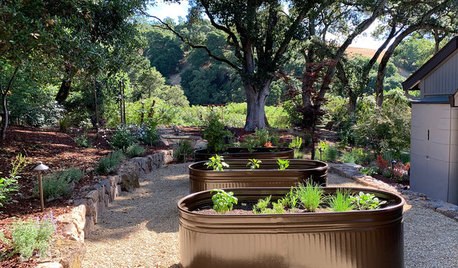
FARM YOUR YARD6 Things to Know Before You Start Growing Your Own Food
It takes time and practice, but growing edibles in the suburbs or city is possible with smart prep and patience
Full Story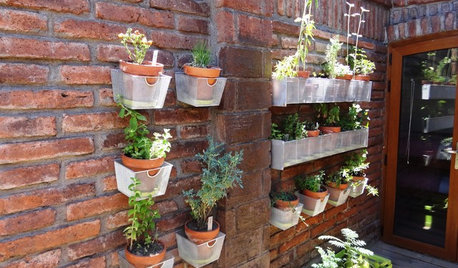
EDIBLE GARDENSHouzz Call: Where Are the Craziest Places You Grow Edibles?
Basil in a bathtub, spinach stacked up a wall ... If your edibles occupy an odd spot, we’d like to know
Full Story
FARM YOUR YARDHow to Build a Raised Bed for Your Veggies and Plants
Whether you’re farming your parking strip or beautifying your backyard, a planting box you make yourself can come in mighty handy
Full Story
FALL GARDENING5 Ways to Put Fall Leaves to Work in Your Garden
Improve your soil and yard the organic way with a valuable garden booster that grows on trees
Full Story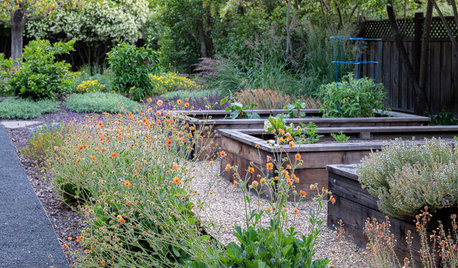
GARDENING GUIDESEssential Watering Tips for Your Edible Garden
To give your edible plants just what they need, check out these guidelines for how, when and how much to water
Full Story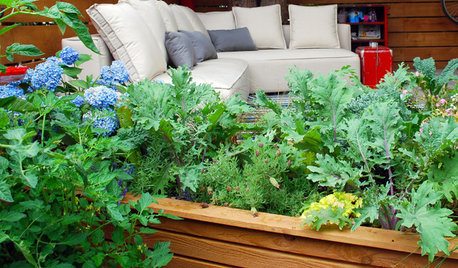
GARDENING GUIDESStep Right Outside for Fresh Herbs and Vegetables
Decks and patios can be convenient spots for edibles, and sometimes they even offer advantages over backyard gardens
Full Story
FARM YOUR YARDMy Houzz: Backyard Farming for a Kansas City Family
A backyard garden provides a family of 5 with organic seasonal produce. Here's how they do it
Full Story
EDIBLE GARDENSHow to Grow Your Own Sweet Summer Crops
This guide will help any gardener get started on growing the freshest warm-season veggies and berries for summer
Full Story
gumby_ct