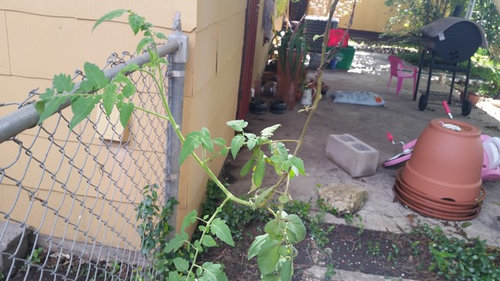
My tomato plants started doing really bad about a month and a half ago, and when I checked it out again early Aug, I noticed tons of mealybugs. My plants used to have many tomatoes and green leaves but now have since changed color and are infested with mealybugs. I don't know where they came from since our yard in all my years has never had them, but the mealybugs have since spread all across. Some plants they like better than others and I don't know how they travel. Everyday I have been going out there and spraying them down with water and killing them on all the plants by hand. I have also been trying soapy water with dawn but I'm not sure how effective that is since I go in and squash them anyways. The amount has lessened but they keep getting to flower buds before I can stop them, killing the flower buds, particularly on my hibiscus and cantaloupe. (no melons for me) My father bought some kind of chemical spray and he's been putting it on the hibiscus starting 2 days ago. Even if it works, the bugs are still on my tomatoes and other edibles. Anyway I can keep these things dead forever?
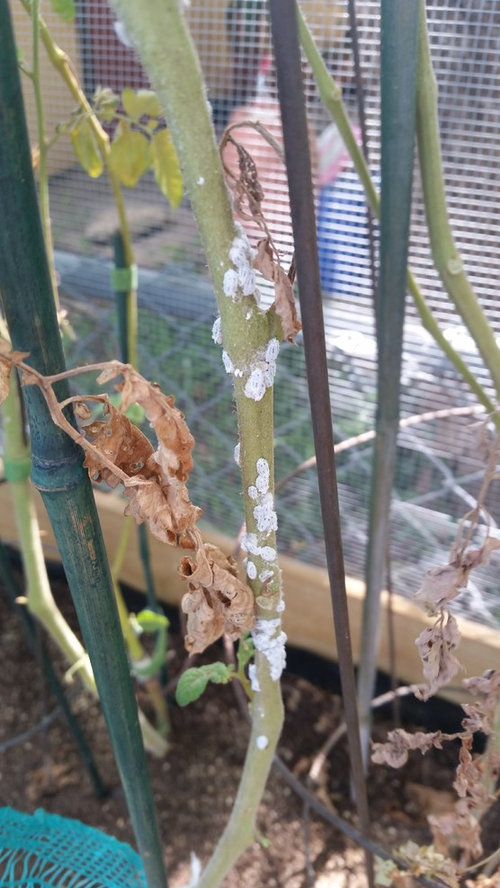
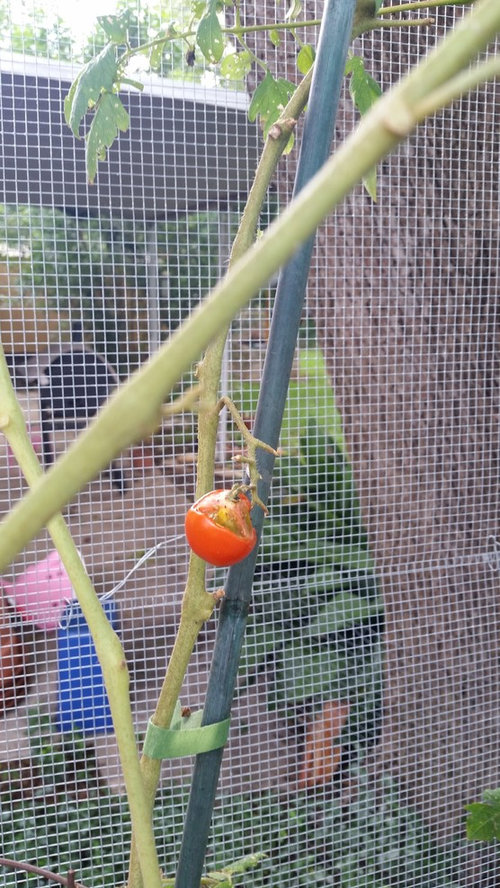
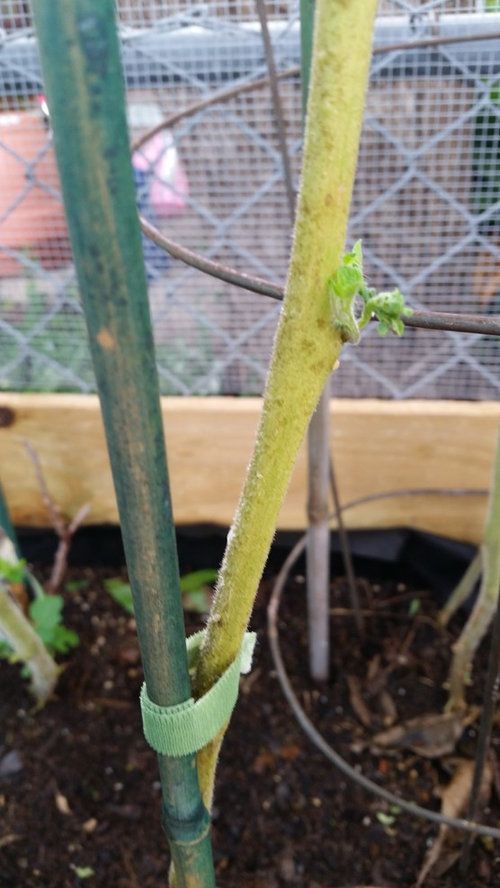
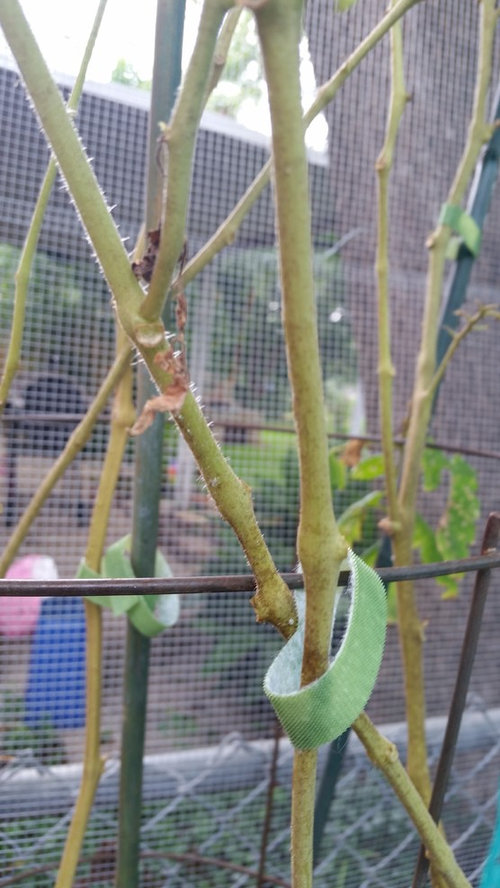
I also had some weird discoloration on my tomatoes and am not sure if it's the mealybugs fault or not but I can't seem to find anything about it on the internet. My family says it's just time for them to die but I always thought they'd live till winter. I have trimmed many of them down and they are growing fresh new green limbs.
Any help on these questions would be great.





gorbelly
gorbelly
Related Professionals
Belleville Landscape Architects & Landscape Designers · Birmingham Landscape Contractors · Port Saint Lucie Landscape Contractors · Middlesboro Landscape Contractors · McComb Landscape Contractors · Dubuque Landscape Contractors · Florence Home Additions · Washington Home Additions · Orlando Home Additions · Monroe Home Additions · West Plains Home Additions · Elk City Home Additions · Miami Home Additions · Marinette Home Additions · Cheyenne Home Additions