Software
Houzz Logo Print
idabean2

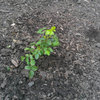
calluna "sydney"

I left the huge pots of echinaceas on the cart because I remembered the failure rate of fall planting echs. (about 75% and a fantastically slow start for survivors) only to be snared by the above.

I may have tried a heather or two some decades ago, but I don't think I've tried 'calluna.'Label says hardy to zone 4, sun-part shade, well drained soil and if it looks sad try a rhododendron fertilizer which really surprised me

What do you know about this plant or its family?


Comments (9)

  • 10 years ago

    Evergreen shrub native to open sandy places in moist, cool climates. Heaths and rhododendrons are in the same Family.

  • 10 years ago

    Calluna is the genus name for heather. I have always planted them in a good amount of light - too much shade and they falter. In my well-drained acid soil they are easy as long as I choose hardy enough varieties.

  • 10 years ago

    Babs pretty much hit it - very good drainage, acidic soils and plenty of light. Calluna vulgaris is the hardiest of the heaths and heathers, with some cultivars rated to zone 3. And best trimmed back after flowering to keep the plant dense and compact and prevent legginess or flopping. This plant family - Ericaceae - is named after calluna's cousin, erica, and includes rhodies, azaleas, pieris, kalmias, blueberries and a whole host of other great, acid-loving plants.

    There used to be a wonderful mail order heath and heather nursery in your area - Rock Spray Nursery in Truro. One of the best in the country!! But it has changed hands and is now an organic farm.

    Very popular plant in my area, where there are entire gardens devoted to heaths and heathers.

  • 10 years ago

    I've uncovered an entire universe of ignorance. I though calluna referred to heaths. Of course I didn't consult a dictionary or google. Google makes me lazy....God forbid I should open a dictionary written on paper.

  • 10 years ago
    last modified: 10 years ago

    Calluna has always been 'ling' to me...and was a common sight in the acidic northern highland moors of my Lancashire childhood. Erica (heather) is both more demanding of moisture (yet still demanding a peat free draining soil rather than heavy clay) but also more tolerant of a high PH. My home...and my wood are both situated on calcareous bedrock so both heaths and heathers are as exotic as cannas and bananas...and yet running right up through the middle of east anglia is a long strip of piney woods and heathland (Breckland) where gorse seems to flower continually and there is a constant purple haze...without a hill in sight. I confess, I do not miss growing either heath or heather, especially since the annual abomination of bizarrely dyed plants will be hitting the grocery stores anytime soon. Also, sadly reminiscent of a horrible 70s gardening style of miniature conifers and heather beds. Some plants just do not belong in domestication...and both ling and ericas have always struck me as plants of the wild and open, unsuited to an enclosed domestic space...but obviously, our gardening styles are always connected to our personal histories, memories and emotions so as always ymmv.

  • 10 years ago
    last modified: 10 years ago

    Once again the differences in local common names . . . in New England, generally Calluna is referred to as heather and Erica (along with a few other less common genera that aren't hardy enough for me to grow) is called heath. I knew from reading that ling was the UK name for heather, but hadn't run across the use of heather as a common name for heath. How confusing!

    Marie, if you can grow rhodies and blueberries, heather should be fine, but like blueberries they will do better with more sun.

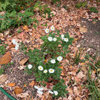
    "Some plants just do not belong in domestication . . ." I dearly love heather and heaths for their long season of interest, and I always like having a few around the open edges of shrub beds. I've never seen wild moorland, however, so that might change my perspective.

  • 10 years ago

    Ah, I must stress again - purely my personal choice with no judgement of how other people garden. Despite being more or less rational and knowing full well about plant nutrition and environmental needs, I am still guided by emotional resonances more than a cooler scientific view when it comes down to gardening.

  • 10 years ago

    Barb, if you can grab a moment could you snap a picture of how you use them in the border? Thanks

0