

bed with bacterial soft rot
10 years ago
Sort by:Oldest
Comments (4)
Related Stories
GARDENING AND LANDSCAPING8 Rot-Resistant Woods for Your Outdoor Projects
No need for chemical treatments on your deck or pergola. These woods stand up to weather, insects and time beautifully on their own
Full Story
FARM YOUR YARDHow to Build a Raised Bed for Your Veggies and Plants
Whether you’re farming your parking strip or beautifying your backyard, a planting box you make yourself can come in mighty handy
Full Story
HOUZZ TOURSHouzz Tour: Making a Comeback in the Hollywood Hills
Get a front-row seat to see how this 1912 home went from rotting and crumbling to bright and picture perfect
Full Story
GARDENING GUIDES8 Materials for Raised Garden Beds
Get the dirt on classic and new options for raised vegetable and plant beds, to get the most from your year-round garden
Full Story
EARTH DAY5 Ideas for a More Earth-Friendly Garden
Consider increasing the size of garden beds, filtering rainwater and using plants to reduce energy use
Full Story
LIFE21 Things Only People Living With Kids Will Understand
Strange smells, crowded beds, ruined furniture — here’s what cohabiting with little monsters really feels like
Full Story
KITCHEN DESIGNKitchen of the Week: High Function and a Little Secret in Missouri
There’s plenty of room for cooking and a hidden feature too in this flexible, family-friendly kitchen
Full Story
HOUZZ TOURSMy Houzz: Major DIY Love Transforms a Neglected Pittsburgh Home
Labor-intensive handiwork by a devoted couple takes a 3-story house from water damaged to wonderful
Full Story
PLANTING IDEASEasygoing Tulip Ideas From a Grand California Garden
Gather up these ways to use tulips to make a spring garden of any size overflow with beauty
Full Story
REMODELING GUIDES11 Reasons to Love Wall-to-Wall Carpeting Again
Is it time to kick the hard stuff? Your feet, wallet and downstairs neighbors may be nodding
Full Story
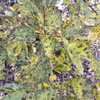
nandina
UserOriginal Author
Related Professionals
Richmond Landscape Architects & Landscape Designers · Napa Landscape Architects & Landscape Designers · Ottawa Landscape Architects & Landscape Designers · Toms River Landscape Contractors · Tulsa Landscape Contractors · San Diego Landscape Contractors · Evanston Landscape Contractors · Pine Bluff Home Builders · Jacksonville Home Builders · Brunswick Home Builders · Covington Home Builders · Barnstable Home Builders · Omaha Home Builders · Chatham Home Builders · Montréal Home BuildersUserOriginal Author
nandina