

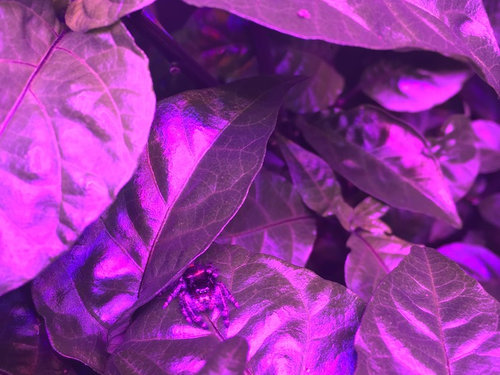
Pest id please?
10 years ago




Featured Answer
Sort by:Oldest
Comments (14)
Related Professionals
Atlantic City Landscape Architects & Landscape Designers · Rock Hill Landscape Architects & Landscape Designers · Sugar Land Landscape Architects & Landscape Designers · Elgin Landscape Architects & Landscape Designers · Taunton Landscape Architects & Landscape Designers · Milwaukee Landscape Architects & Landscape Designers · Mission Viejo Landscape Architects & Landscape Designers · Winston-Salem Landscape Contractors · New Bedford Landscape Contractors · Traverse City Landscape Contractors · Oxford Home Builders · Davenport Home Builders · Waterloo Home Builders · Rutland Home Builders · Palm Desert Home Builders 10 years agoBrennan (New Mexico 7a) thanked woohooman San Diego CA zone 10a
- 10 years agolast modified: 10 years agoBrennan (New Mexico 7a) thanked rina_Ontario,Canada 5a
- 10 years ago
 10 years ago
- 10 years ago
- 10 years ago
- 10 years ago
- 10 years ago
- 10 years agolast modified: 10 years ago



Related Stories
HOUSEPLANTSMother-in-Law's Tongue: Surprisingly Easy to Please
This low-maintenance, high-impact houseplant, also known as snake plant, fits in with any design
Full Story
HOME OFFICESQuiet, Please! How to Cut Noise Pollution at Home
Leaf blowers, trucks or noisy neighbors driving you berserk? These sound-reduction strategies can help you hush things up
Full Story
BATHROOM DESIGNUpload of the Day: A Mini Fridge in the Master Bathroom? Yes, Please!
Talk about convenience. Better yet, get it yourself after being inspired by this Texas bath
Full Story
BEFORE AND AFTERSMore Room, Please: 5 Spectacularly Converted Garages
Design — and the desire for more space — turns humble garages into gracious living rooms
Full Story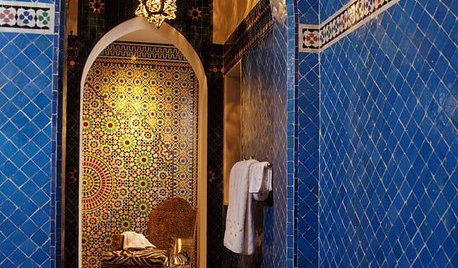
TILEMoor Tile, Please!
Add an exotic touch with Moroccan tiles in everything from intricate patterns and rich colors to subtle, luminous neutrals
Full Story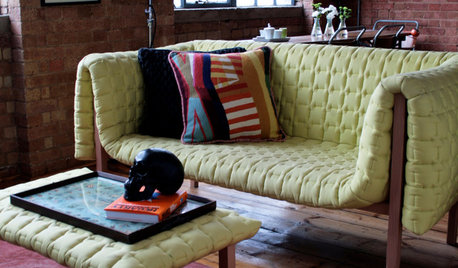
DECORATING GUIDESPlease Touch: Texture Makes Rooms Spring to Life
Great design stimulates all the senses, including touch. Check out these great uses of texture, then let your fingers do the walking
Full Story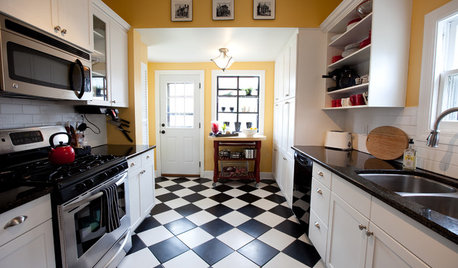
FLOORSChecks, Please! 13 Choices for Checkered Floors
Checkerboard Patterns Go From Casual to Ritzy, From Marble to Grass
Full Story
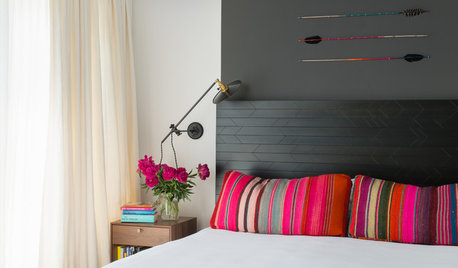
DECORATING GUIDES10 Bedroom Design Ideas to Please Him and Her
Blend colors and styles to create a harmonious sanctuary for two, using these examples and tips
Full Story
HOUZZ TOURSHouzz Tour: A Neutral Palette Pleases By the Sea
Designer Phoebe Howard creates earth-toned elegance for a family's Florida beach getaway
Full Story
Sponsored
isgen