

Hedge
10 years ago
Sort by:Oldest
Comments (4)
Related Stories
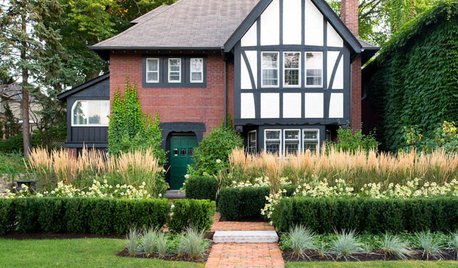
LANDSCAPE DESIGNHow Low Can Hedges Go? Discover Unusual Garden Borders
Short enough to step over, high enough to be a stretch ... check out these radically different hedge styles and tell us your opinion
Full Story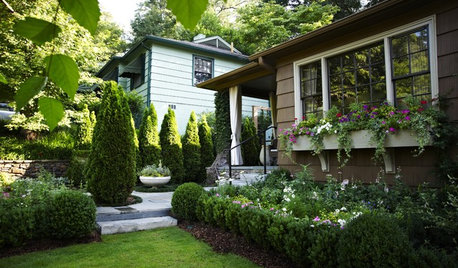
GARDENING GUIDES9 Low-Growing Hedges That Make Good Neighbors
Define garden areas or borders without blocking the view, with these evergreen shrubs that take kindly to trimming
Full Story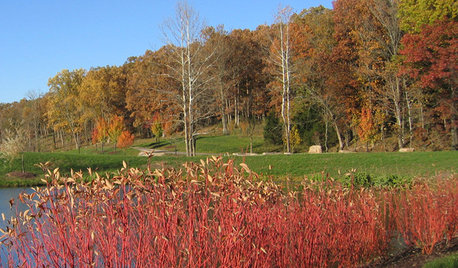
GARDENING GUIDESThese Hedges Can Add Interest to Your Winter Garden
Evergreen trees and shrubs provide structure and color in the winter months — and can attract wildlife too
Full Story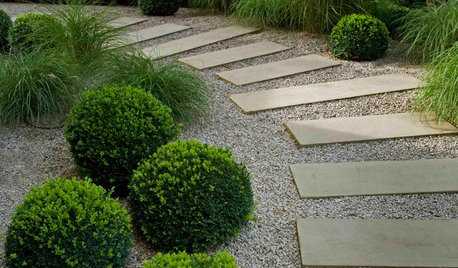
LANDSCAPE DESIGNTouches of Grandness for the Garden
You don’t need a king-size yard to add a little formality to your landscape with fanciful hedges, topiaries and paths
Full Story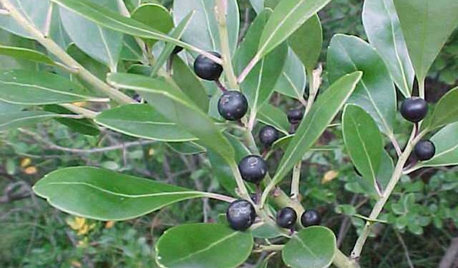
FLOWERS AND PLANTSEasterners: Consider This Native Alternative to Boxwood
Inkberry, or Ilex glabra, excels as a foundation plant or formal hedge perfectly suited to the East Coast
Full Story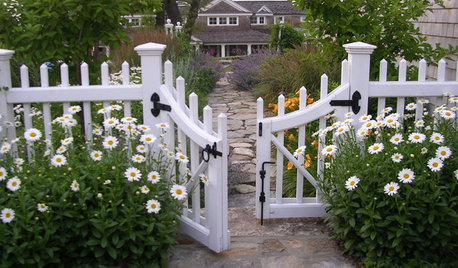
LANDSCAPE DESIGNGet the Look: New England Garden Style
Stone walls, clipped hedges and flowering borders contribute to this traditional look
Full Story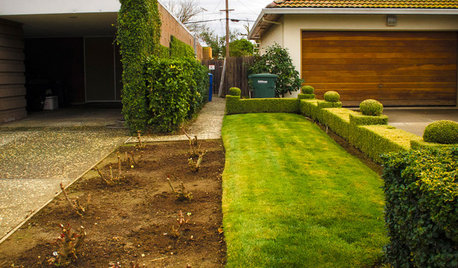
EXTERIORSWhere Front Yards Collide: Property Lines in Pictures
Some could be twins; others channel the Odd Couple. You may never look at property boundaries the same way again
Full Story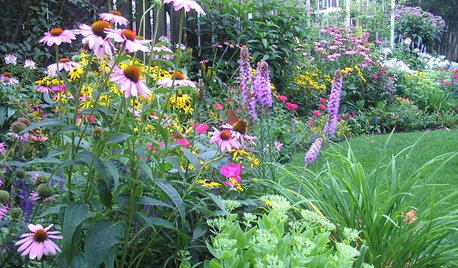
LANDSCAPE DESIGNTry Slow Gardening for Some Unexpected Benefits
Why set your garden on the fast track? Here's how to relax and enjoy it in an entirely new way
Full Story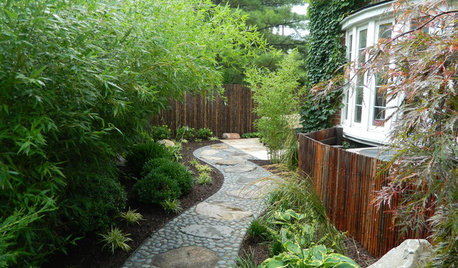
GARDENING AND LANDSCAPINGGrow a Lush Privacy Screen
No need to wait forever for patio privacy the green way. These 10 ideas will get your screening up and running in no time
Full Story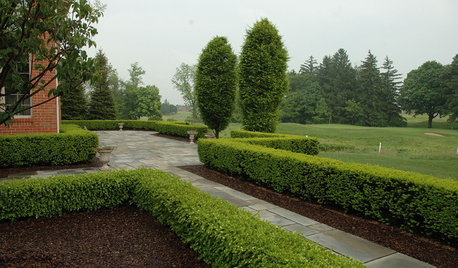
GARDENING GUIDESGreat Design Plant: Boxwood
This elegant evergreen can shape shift into forms limited only by a gardener's imagination and a clipper's reach
Full StorySponsored

Central Ohio's Trusted Home Remodeler Specializing in Kitchens & Baths
Edwin Espino
Yardvaark
Related Professionals
Montgomery Landscape Architects & Landscape Designers · Middletown Landscape Architects & Landscape Designers · Columbia Landscape Architects & Landscape Designers · Minneapolis Landscape Architects & Landscape Designers · Elizabeth City Landscape Contractors · Plainfield Landscape Contractors · Niles Landscape Contractors · Newport Landscape Contractors · Eau Claire Landscape Contractors · Redding Landscape Contractors · Magog Landscape Contractors · Saint Joseph Decks, Patios & Outdoor Enclosures · Newport Decks, Patios & Outdoor Enclosures · Kennewick Decks, Patios & Outdoor Enclosures · Olympia Decks, Patios & Outdoor EnclosuresEmbothrium
Barbara Simoes