

Preparing the site to build
10 years ago
Featured Answer
Sort by:Oldest
Comments (6)
 10 years ago
 10 years ago
Related Professionals
Bainbridge Architects & Building Designers · Victoria Architects & Building Designers · Daytona Beach Design-Build Firms · Virginia Beach Design-Build Firms · Bloomington Design-Build Firms · Traverse City Design-Build Firms · Fairbanks Design-Build Firms · Paducah Home Builders · Dothan Home Builders · Murfreesboro Home Builders · Fort Worth Home Builders · Sioux City Home Builders · Lewiston Home Builders · Pocatello Home Builders · Bronx Home Builders- 10 years ago
 10 years agolast modified: 10 years ago
 PRO10 years ago
Related Stories

GREEN BUILDINGOff the Grid: Siting and Building to Conserve Energy
Look to low-tech solutions for big energy savings when you’re constructing a home
Full Story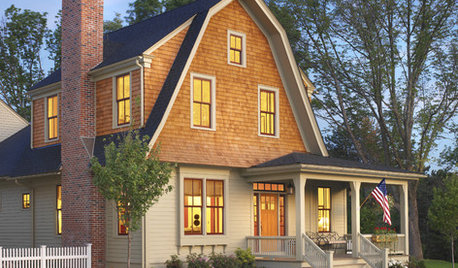
LIFEHow to Prepare Your House for Emergencies
Knock on wood you won't have any big mishaps at home, but it's important to be ready. Our checklist can help
Full Story
CONTRACTOR TIPS5 of the Most Common Delays in Remodeling Projects
It’s not just the weather — although that’s often part of it. There can be permit delays, scheduling issues and more
Full Story
LIFEHow to Prepare for and Live With a Power Outage
When electricity loss puts food, water and heat in jeopardy, don't be in the dark about how to stay as safe and comfortable as possible
Full Story
SHOP HOUZZShop Houzz: Preparing the Perfect Cheese Plate
Build your best cheese platter yet with these tips and serving pieces
Full Story0

ARCHITECTUREBuilding Green: How to Plan Your Site for Healthier Living
Learn the many ways to create a more eco-friendly environment on your land
Full Story
GARDENING GUIDESGreat Garden Combo: 6 Beautiful Plants for a Shady, Wet Site
Transform a shade garden with moisture-loving golden grasses, textural leaves and a sprinkling of flowers
Full Story
TRAVEL BY DESIGNHow to Prepare Your House for a Home Swap
Trading homes for your vacation? Leave yours in great shape for your guests and help them enjoy a happy break with these 12 tips
Full Story
HALLOWEENPrepare Your Home for Trick-or-Treaters
Bright lights, festive decor and clear paths help make Halloween night safe for all ages
Full Story
ARCHITECTUREHow to Artfully Build a House on a Hillside
Let your site's slope inspire your home's design, rather than fight it
Full Story




worthy