

Steam generator installation
10 years ago
Featured Answer
Sort by:Oldest
Comments (10)
 10 years ago
- 10 years ago
Related Professionals
La Crosse Kitchen & Bathroom Designers · Wheeling Kitchen & Bathroom Designers · Yuba City Kitchen & Bathroom Designers · Denver Kitchen & Bathroom Designers · Albuquerque Kitchen & Bathroom Designers · Selma Bathroom Remodelers · Kansas City Bathroom Remodelers · Miami Bathroom Remodelers · Buffalo Bathroom Remodelers · Williamsport Bathroom Remodelers · Kenosha Bathroom Remodelers · Oshkosh Bathroom Remodelers · Austin Tile and Stone Contractors · Denver Tile and Stone Contractors · Butte Tile and Stone Contractors- 10 years ago
- 10 years ago
 PRO10 years agolast modified: 10 years ago
- 10 years ago
 10 years ago
- 9 years ago
 9 years agolast modified: 9 years ago

Related Stories

REMODELING GUIDESFinishing Touches: Pro Tricks for Installing Fixtures in Your Tile
Cracked tile, broken drill bits and sloppy-looking fixture installations? Not when you follow these pro tips
Full Story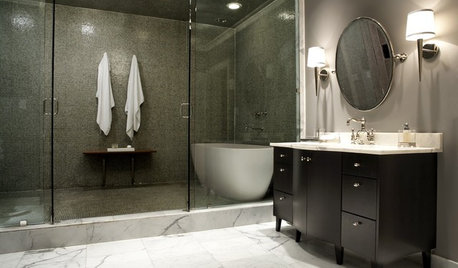
BATHROOM DESIGNHow to Choose Tile for a Steam Shower
In steamy quarters, tile needs to stand up to all that water and vapor in style. Here's how to get it right the first time
Full Story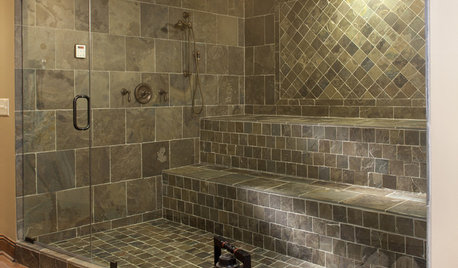
SHOWERSSteam Showers Bring a Beloved Spa Feature Home
Get the benefits of a time-honored ritual without firing up the coals, thanks to easier-than-ever home steam systems
Full Story
GREAT HOME PROJECTSHow to Install Energy-Efficient Windows
Learn what Energy Star ratings mean, what special license your contractor should have, whether permits are required and more
Full Story
MATERIALSThe Most Popular Roofing Material is Affordable and Easy to Install
Asphalt shingles, the most widely used roof material in the U.S. are reliable and efficient, and may be right for you
Full Story
DISASTER PREP & RECOVERYMore Power to You: How to Pick the Right Generator
If your home's electricity goes, don't let it take your necessities with it — keep systems running with this guide to backup power
Full Story
HOUZZ TOURSHouzz Tour: Innovative Home Reunites Generations Under One Roof
Parents build a bright and sunny modern house where they can age in place alongside their 3 grown children and significant others
Full Story
GREEN BUILDINGHouzz Tour: An Energy-Efficient Home for 3 Generations
This Australian house takes sustainability and accessibility to a new level
Full Story
HOUZZ TOURSMy Houzz: Making Room for 3 Generations
A Salt Lake City home creates privacy and independence for grandparents, parents, kids and dogs
Full Story
HOMES AROUND THE WORLDAn Airy Home for 3 Generations in Singapore
Open spaces, raw materials, water features and greenery bring light and life to this contemporary, tropical home
Full Story


User