

Perdanales falls hike
9 years ago
Featured Answer
Sort by:Oldest
Comments (12)
- 9 years ago
Related Professionals
Ashland Landscape Architects & Landscape Designers · Fall River Landscape Architects & Landscape Designers · Toledo Landscape Architects & Landscape Designers · Farmington Landscape Architects & Landscape Designers · Dothan Landscape Contractors · Branson Landscape Contractors · Jackson Landscape Contractors · Spring Landscape Contractors · Bismarck Landscape Contractors · Miami Stone, Pavers & Concrete · Monroe Stone, Pavers & Concrete · Columbus Stone, Pavers & Concrete · Dubuque Stone, Pavers & Concrete · Winona Stone, Pavers & Concrete · Chico Stone, Pavers & Concrete- 9 years ago
 9 years ago
- 9 years ago
 9 years ago
- 9 years ago
- 9 years ago
- 9 years ago
- 9 years ago
- 9 years ago
- 9 years ago

Related Stories
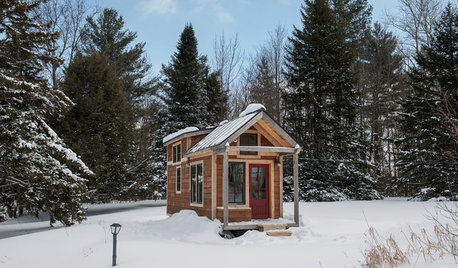
TINY HOUSESHouzz Tour: A Custom-Made Tiny House for Skiing and Hiking
Ethan Waldman quit his job, left his large house and spent $42,000 to build a 200-square-foot home that costs him $100 a month to live in
Full Story
COLORFall on the Wall: Decorating With Rich Reds, Browns and Oranges
For your interiors, take a cue from nature’s colorful seasonal offerings
Full Story
FALL GARDENINGHouzz Call: Show Us Your Fall Color!
Post pictures of your fall landscape — plants, leaves, wildlife — in the Comments section. Your photo could appear in an upcoming article
Full Story
FALL AND THANKSGIVINGCelebrate the Season With Colorful Visions of Fall
Houzz readers share what autumn looks like in the United States and beyond
Full Story
FALL AND THANKSGIVINGSimple Pleasures: Celebrate Fall With These Special Traditions
Enjoy a meaningful autumn with seasonal ideas for decorating, cooking and entertaining
Full Story
LIFE8 Ways to Embrace the Wonder of Fall
Savor the small joys of the new season with these ideas for home and the outdoors
Full Story
GARDENING GUIDES10 Deer-Resistant Native Flowers to Plant This Fall
Learn about natives that embrace some kinds of wildlife but resist grazing deer
Full Story
FALL GARDENINGHouzz Call: Show Us Your Autumn Views
Share your pictures of fall foliage and decor in the Comments. Your photos may be featured in an upcoming story!
Full Story
FALL AND THANKSGIVING8 Creative Accents to Set Your Holiday Table Apart
Give fall meals flair with decorations and serving pieces you make — or make better — yourself
Full Story
TRAVEL BY DESIGNHouzz TV: Take a Leaf-Peeping Road Trip in New England
Ride along with a Houzz contributing photographer to see gorgeous autumn eye candy from New York to New Hampshire
Full Story
wantonamara Z8 CenTex