

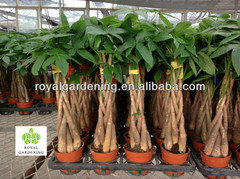
Braiding shrub stems into a tree trunk
9 years ago
last modified: 9 years ago

Featured Answer
Sort by:Oldest
Comments (9)
 9 years ago
Related Professionals
Toms River Landscape Architects & Landscape Designers · Plymouth Landscape Architects & Landscape Designers · Saint Cloud Landscape Architects & Landscape Designers · Worthington Landscape Architects & Landscape Designers · Stockton Landscape Architects & Landscape Designers · Florence Landscape Contractors · Orangeburg Landscape Contractors · Wichita Falls Landscape Contractors · Farmington Landscape Contractors · Kalispell Landscape Contractors · Jacksonville Home Builders · Knoxville Home Builders · Fergus Falls Home Builders · Nashua Home Builders · Salt Lake City Home Builders 9 years ago
 9 years ago
- 9 years ago
- 9 years ago
- 9 years ago
- 9 years agolast modified: 9 years ago
 9 years ago

Related Stories
TREESHow to Buy Healthy Trees and Shrubs
A healthy young plant with a strong form is more likely to do well in your yard. Here’s what to look for at the nursery
Full Story
GARDENING GUIDESTidy Up Sprawling Native Shrubs With These Pruning Tips
Sound horticultural pruning methods work for native and nonnative plants alike
Full Story
FLOWERS AND PLANTS10 Essential Shrubs for Mid-Atlantic Gardens
Easy-to-grow mid-Atlantic native shrubs celebrate the character of the region
Full Story
SIDE YARD IDEASNarrow Trees for Tight Garden Spaces
Boost interest in a side yard or another space-challenged area with the fragrance and color of these columnar trees
Full Story
GARDENING GUIDES5 Best-Behaved Trees to Grace a Patio
Big enough for shade but small enough for easy care, these amiable trees mind their manners in a modest outdoor space
Full Story
EDIBLE GARDENSHow to Add an Apple Tree to Your Edible Garden
Readily available, beautiful and fragrant, apple trees offer four-season interest along with crisp, juicy fruit
Full Story
LANDSCAPE DESIGNFlood-Tolerant Native Trees for Soggy Soil
Swampy sites, floodplains, even standing water ... if you've got a soggy landscape, these trees are for you
Full Story
LANDSCAPE DESIGNPretty Trees for Patios, Paths and Other Tight Spots
Choose trees for their size, shape and rate of growth — or shape them to fit your space. Here's how to get started
Full Story
GARDENING GUIDES10 Top California Native Plants, Trees and Grasses
Enjoy a fuss-free, water-wise garden in the Golden State by growing plants naturally in tune with the climate and wildlife
Full Story
GARDENING GUIDESThe Beauty of Bare-Root Plants
Plant dormant trees and shrubs in fall using the easy, affordable bare-root method and enjoy beautiful results in spring
Full Story
Sponsored
Ontario_Canada5a_USDA4bOriginal Author