

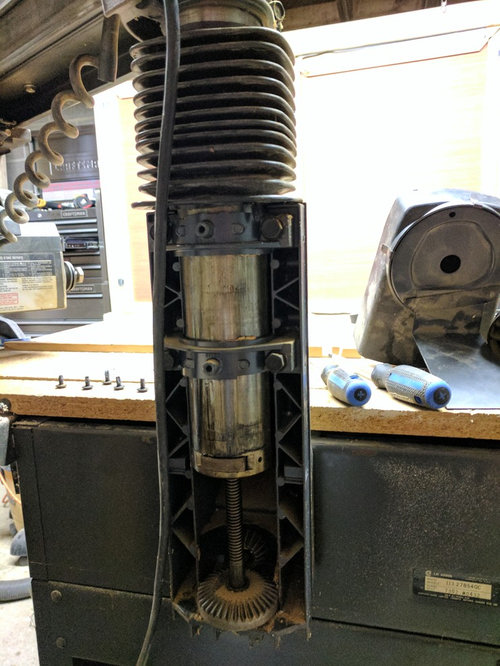
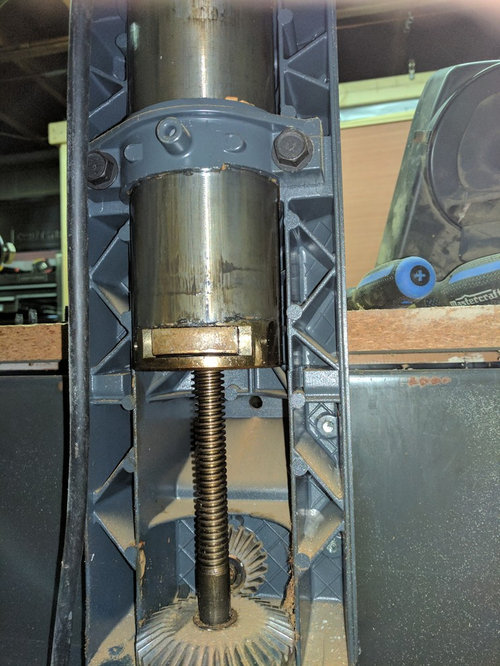
Radial arm saw raise and lower (loose?)
9 years ago
Featured Answer
Sort by:Oldest
Comments (8)
 9 years ago
Related Professionals
Clarksdale Cabinets & Cabinetry · Fayetteville Cabinets & Cabinetry · Kirksville Cabinets & Cabinetry · Fort Smith Carpenters · Beatrice Carpenters · Denver Carpenters · Albuquerque Carpenters · Sterling Carpenters · Newport News Flooring Contractors · Sioux City Flooring Contractors · Fall River Flooring Contractors · North Adams Flooring Contractors · Williamsport Flooring Contractors · Glenwood Springs Flooring Contractors · Seattle Flooring Contractors 9 years ago
- 9 years ago
 PRO9 years ago
- 9 years ago
- 9 years ago
- 9 years ago
Related Stories

SMALL HOMESMicrounits Are Coming to NYC. See the Winning Design
Say goodbye to only arm-and-a-leg Manhattan rents. This plan for small prefab units opens the door to more affordable housing
Full Story
FURNITURE9 Elements of the Perfect Man Chair
Give a guy rugged good looks and a place to rest his arms, head and feet
Full Story
HOUZZ TOURSHouzz Tour: A Creekside Cabin Opens to the Views
With a modern addition featuring expansive windows, a rustic 1930s cabin opens its arms wider to its Northern California woodland setting
Full Story
GREAT HOME PROJECTSHow to Replace Your Lawn With a Garden
New project for a new year: Lose the turfgrass for energy savings, wildlife friendliness and lower maintenance
Full Story
DECORATING GUIDES6 Cost-Effective Ways to Go Custom Made
Get a look that’s totally you — and possibly for a lower cost than you might think
Full Story
HEALTHY HOME6 Tips From a Nearly Zero-Waste Home
Lower your trash output and increase your quality of life with these ideas from a mom who did it to the max
Full Story
EARTH DAYGrow a Beautiful Garden With Ecofriendly Greywater
Reducing home water waste means lower bills and a healthier planet. Here's how to set up a greywater home irrigation system that can help
Full Story
HOME GYMSHouzz Your Workout: Home Gyms That Get You Moving
Get inspired by these fitness-minded Houzz users, whose exercise rooms raise the bar(bell)
Full Story
GARDENING GUIDESHow I Learned to Be an Imperfect Gardener
Letting go can lead to a deeper level of gardening and a richer relationship with the landscape. Here's how one nature lover did it
Full Story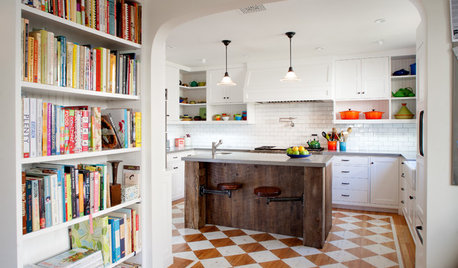
HOUZZ TOURSHouzz Tour: Better Flow for a Los Angeles Bungalow
Goodbye, confusing layout and cramped kitchen. Hello, new entryway and expansive cooking space
Full Story

chas045