

Rose Tonic on veggie beds?
9 years ago
Sort by:Oldest
Comment (1)

Related Stories

FARM YOUR YARDHow to Build a Raised Bed for Your Veggies and Plants
Whether you’re farming your parking strip or beautifying your backyard, a planting box you make yourself can come in mighty handy
Full Story
FEEL-GOOD HOMEHow Your Home Can Heal a Bad Day
The comforts of home can be a soothing tonic for those days when nothing goes right
Full Story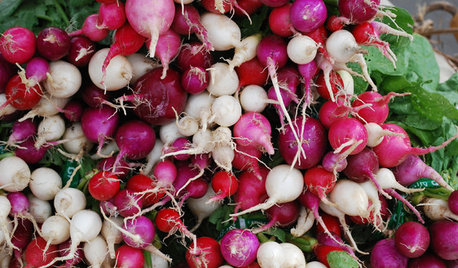
COOL-SEASON CROPSCool-Season Vegetables: How to Grow Radishes
Fast growing and bright, these easy-care veggies are great for kids and bring plentiful color to a fall or spring garden
Full Story
EDIBLE GARDENSHow to Grow Your Own Sweet Summer Crops
This guide will help any gardener get started on growing the freshest warm-season veggies and berries for summer
Full Story
GARDENING GUIDESCalifornia Gardener: What to Do in July
Active green thumb or not, top priorities for peak fruit and veggie season: watering, feeding, keeping up with growth
Full Story
NORTHWEST GARDENINGPacific Northwest Gardener's February Checklist
Let witch hazel cast its spell, shut off your mason bees' snooze button and hit up the nursery for seeds and roses
Full Story
GARDENING GUIDESTexas Gardener's February Checklist
Show roses some love around Valentine's Day and set the stage for future garden growth with seeds and starts
Full Story
FARM YOUR YARDAdvice on Canyon Farming From L.A.'s Vegetable Whisperer
See how a screened garden house and raised beds help an edible garden in a Los Angeles canyon thrive
Full Story
EARTH DAY5 Ideas for a More Earth-Friendly Garden
Consider increasing the size of garden beds, filtering rainwater and using plants to reduce energy use
Full Story
GARDENING GUIDESVegetables and Flowers Mix in Beautiful Edible Gardens
Ornamentals, meet your edible garden mates. We know you'll get along just beautifully
Full Story
roselee z8b S.W. Texas
Related Professionals
Fort Myers Landscape Architects & Landscape Designers · Denver Landscape Architects & Landscape Designers · Panama City Landscape Contractors · Bloomington Landscape Contractors · Fayetteville Landscape Contractors · Greensboro Landscape Contractors · Charleston Landscape Contractors · Dubuque Landscape Contractors · Duluth Landscape Contractors · Minneapolis Landscape Contractors · Napa Landscape Contractors · Cheyenne Landscape Contractors · Kahului Landscape Contractors · Middlesboro Stone, Pavers & Concrete · Grand Island Stone, Pavers & Concrete