Software
Houzz Logo Print
james_coyne

Preparing rocky soil for wildflower meadow

9 years ago
Hi folks,

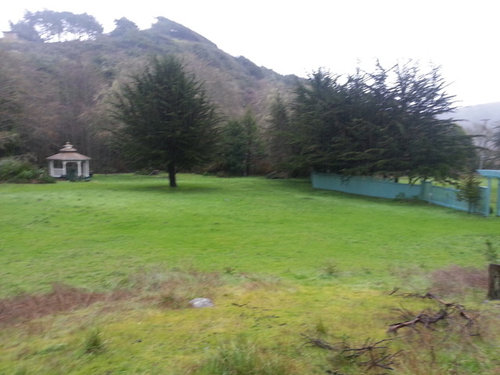
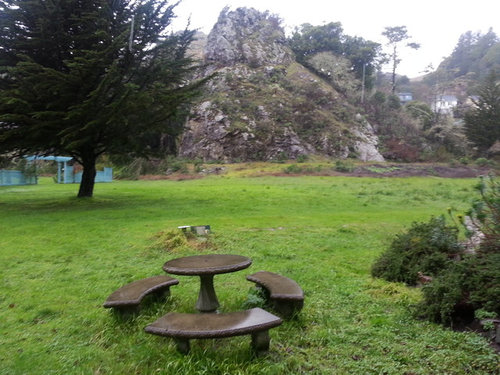
(originally reposted in wrong forum) First time posting here. I have a big project where I'm turning a large lawn into a wildlife/habitat garden in coastal Northern California. We're converting a 30,0000 sq ft lawn into a wildflower meadow to attract songbirds and butterflies. How do I prepare the current lawn for sowing wildflower seeds? The usual recommendation is to use a rototiller, but there's a lot of rock hidden under the lawn so I think that's a bad idea.

30,000 sq. ft. is too big to tear up the sod by hand. What kind of tool can I use/rent to chew up the existing lawn. I'm not sure if a sod remove is safe with the rocks. I've already treated it all with Roundup.

Once the lawn dies, I was thinking of mowing it as short as possible and then making 10 passes with a core aerator to sufficiently chew up the dirt and sod. Any other tips or ideas?

Thanks,
James


Comments (7)

  • 9 years ago

    Since I don't have frost working the seeds into the soil, how will the seeds grow on the existing (soon to be dead) lawn? Wouldn't the remaining skeleton of the dead lawn be a bunch of thatch/roots?

  • 9 years ago

    Yeah, you do need seed to soil contact. A light disking is all we do, and it works. It seems insufficient, but remember, all is balance: We could get much greater seed to soil contact if we really worked up the soil. That is considered unacceptable in the business I'm in, due to the fact this leaves the soil wide open to a heavy precipitation event, with its accompanying runoff, erosion, and likely loss of seeds. Tilling also brings up millions of new weed seeds to the surface where they germinate and grow.

    So with just a light disking, and a no-till drill, we have installed hundreds upon hundreds of acres of "prairie". It takers time and you still end up with massive weeds. Some you can manage by simply mowing off the flower heads before they go to seed-annuals and biennials. Perennial weeds will take heavy-duty herbicides to have any hope of establishment. Spot-spraying is the usual course of action: A team of technicians will fan out with backpack sprayers at intervals during the growing season, to spot-spray such bad actors (here) as Canada thistle, reed canary grass, etc. That's a very brief run-down of how we establish meadow/prairie plantings in east-central Wisconsin.

    James Coyne thanked wisconsitom
  • 9 years ago

    What do you mean by light disking?

  • 9 years ago

    A disker, or disk harrow - slices up the soil. If you do it lightly, with the disks set high and barely touching the ground it leaves grooves and intact surface.

    https://www.deere.com/common/media/images/product/frontier_implements/tillage_equipment/disk_harrows/544108_harrows_762x458.jpg 

    You can get the same effect by setting a rototiller blades so high they barely scuff up the dirt, or use what is called a "pasture drag" or tine harrow (way too many names for these things)

    http://www.ruralking.com/drag-tine-style-4ft-x-5ft.html

  • 7 years ago

    I wonder at the use of Roundup and Glyphosate (suggested). If you are wanting to attract butterflies etc., those are both highly toxic products that stick around and are absolutely terrible for the environmment. It would take more product, but not be so ironic considering what you want to do with the property, to use a more natural approach. Here are some I've read about, but not personally tried on a large scale: covering the entire area during hot summer days (if it gets hot enough) with black sheeting & using the heat to kill off plants; this may need to be repeated as well. Applying copious amounts of vinegar or other natural products repetitively. Hiring manual labor to do the work. Checking to see if there's a local organization/non-profit that would get involved if it follows their purpose. The suggestions above with a harrow, etc. Please rethink applying more toxic and powerful chemicals that will affect not only the plants but the soil and runoff water supply.

    (But from the date of your post I am probably too late.)

  • 6 years ago

    I also realize this post is years old, but wanted to point out to the glyphosate haters that Wisconsitom is a professional who has been restoring native habitats for years. If the use of glyphosate resulted in such toxicity that the sites were unable to support wildlife, he would have figured that out long ago. For many dedicated environmentalists, who have actually been involved in the restoration of large sections of land, the use of glyphosate is an acceptable method of eradication of weeds and noxious invasive plants. If there were another method that worked as well and was realistically efficient, we would all use it, unquestionably. But, the chances of achieving the desired end result in such large projects, without herbicides, are small. Plus, I know from personal experience that careful use of glyphosate to eliminate noxious species in a large area ( garlic mustard over nearly a solid acre of woodland) can allow the native flora to rebound and improve wildlife diversity within a single season. So, please accept that there are appropriate circumstances for the use of herbicides in the battle to improve our planet for wildlife.

    Martha

Sponsored