Software
Houzz Logo Print
zeebears

Monstera leaves yellowing occasionally

9 years ago

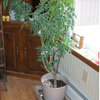
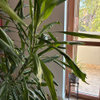
I repotted my monstera about a month ago or so, and some of the newer leaves (even newly sprouted ones) have occasionally been turning yellow at the top of the leaf and *sometimes* the stem too.I usually take the leaves off when this happens but I kept this one to take a picture. What do I need to do? Does it need more humidity (daily misting)? Does it need more or less water? I water it less than once a week and also have very well draining potting soil mixed w/ equal parts perlite and peat moss. I also read somewhere that I should let my tap water sit in a jug for a couple days before using it to diminish any chlorine. Let me know if I can answer any more questions

Comments (8)

  • 9 years ago
    last modified: 9 years ago

    I don't grow anything in unglazed clay pots. I prefer plastic pots for almost all of my plants. Personally, I use these "self-watering" pots, even though I still water them like normal and don't rely on the self-watering feature. When used with an appropriate fast-draining soil mix, these pots let the roots breathe in plenty of fresh air without drying out too fast. These are rainforest plants, they love the rain, and they love having their roots kept damp and well aerated. Don't bother misting them. They prefer a humid environment, but during the winter, my gas heating strips any moisture out of the air and my plant just keeps on growing. It doesn't phase it one bit.

    Instead of the peat moss/perlite mix that you're using, I would recommend using a 50% blend of cacti & succulents soil, and 50% orchid bark mix. Miracle Gro sells both of these varieties for fairly cheap. My Monstera grows like a weed in this, and you don't have to worry about how much you water it. Don't worry about using tap water either, they're not picky and couldn't care less; just as long as it's not too cold. Cold and wet never goes well with any tropical plants. The light it is getting looks good.

    zeebears thanked Photo Synthesis
  • 9 years ago

    I am a huge fan of unglazed and glazed clay pots, but this is one plant that just doesn't need an unglazed one. Mine prefer regular watering as opposed to the "flood and drain" method. When I let them get too dry and then water, one or two yellow leaves pops up. Or, when I water too much and don't allow draining. So, I try to keep them well watered and at least lightly moist.

    however, your problems may come from the repotting. They do tend to lose a leaf or two after a repotting,

    if you want to keep it in that clay pot, I'd suggest adding a wick to the bottom. Also, when you water it, do so thoroughly and let the water drain out through the wick before you replace it. I think it will be okay in the clay pot. You just have to be mindful of watering. Eventually, you will want to get it out of there just because the cone shape doesn't really suit the root structure. These plants do well in a round pot for their roots to spread out.


    zeebears thanked Lauren (Zone 9a)
  • 9 years ago
    last modified: 9 years ago

    I should state the reason why I use plastic self-watering containers. When the weather warms up enough to move my plants outdoors, all of my plants go outside. All of them. No exceptions. In fact, I'll be moving most of them back outdoors tomorrow, because the weather will finally start warming up, with lows hovering around the 50°F mark. All of my plants benefit from this; increased sunlight, increased humidity, plenty of fresh air, and plenty of water. I know that some people just don't have the space to move their plants outside, but some people act as if their houseplants are allergic to being outdoors, HaHa! Some African Violet growers wouldn't dare move their plants outside, much less let them get their leaves wet. Mine stayed outside all last season; where they got rained on all of the time, and they pretty much thrived on neglect, and they kept on blooming, too.

    During the summer months, I'll have to water my plants on an almost daily basis. It's not as bad as it sounds, just a few minutes of "rain" from the garden hose in the evening. I mentioned that I use the self-watering containers. Well I keep the bottom reservoir empty when my plants are kept indoors, but during the summer, my plants soak that water up like a sponge; especially my Monstera. If I grew it in a clay pot, the poor thing would dry out way too fast. With plastic self-watering pots, I already have to water them daily, and they still soak up all of the water from the reservoirs. In clay pots, there would be no way I could keep them well watered. No way at all. Even with it being as humid as it is here in the South.

    zeebears thanked Photo Synthesis
  • 9 years ago

    That makes sense, photo. It also goes to providing consistent moisture to the monstera.

    I do get pretty tired hauling my clay pots to the sink to water them and then having them all over the counter to drain.

    One reason I personally love clay pots is that they dry out faster and relieve my worries of overwatering, especially for plants in regular potting soil or with a lot of potting soil. I am such an overwaterer that they really are a godsend for me. And our water here in the desert is so damn hard that the plants really need the flushing out on a regular basis.

    I have some self watering pots but I've not tried them yet. Based on your recommendation, I may give one a go next time I repot something!

    zeebears thanked Lauren (Zone 9a)
  • 9 years ago
    last modified: 9 years ago

    I am the same as you Lauren, I definitely have a heavy hand when I water and my fear of overwatering is why I use unglazed clay so often! Maybe I will try out a self watering pot for my monstera with the orchid mix and cactus mix you suggested this spring and bring it outside when the weather is consistently above 50 degrees. It has been jumping back and forth between 30 degrees and snowing, to 70 degrees and sunny (I live in Kansas). Will it hurt to repot the little guy so soon after repotting last month? And will Kansas's awful back and forth temperature hurt it?

  • 9 years ago

    Zeebear: I might differ with others on this topic, but I will repot a plant one DAY after having repotted it if I want to. Sometimes I do it if I don't like the way it looks after a repotting, or if I feel I made a mistake, or if I think it needs a different mix after observing it for a few days or weeks after the initial repotting.

    Now this may be because I am not a good repotter in the first place:). But it always proves to be a good choice in the end. I had a spider plant that I repotted last week and it just didn't look right, so I did it again, and it still didn't look right. So I did it again and it perked up immediately after the last repot and looks beautiful and happy.

    I believe that when the plant is in the right mix and pot and properly repotted, it will respond favorably to a repotting immediately, or at least within the first two days. So, i aim for that.

    i just remember to be as gentle as possible with roots, water carefully, and use a little chopstick to help settle the roots.

    I think the weather in Kansas won't really impact the plant negatively if you keep it well watered and it is potted in a good health mix and properly draining pot.

  • 9 years ago

    It's okay to repot a plant over again. They haven't had time to establish themselves just yet anyways. Monsteras don't care about having their roots disturbed. When I repotted mine last year, I hacked away about 3/4's of its roots, and it didn't phase it one bit.

    When you mix in 50% orchid bark with a fast-draining soil, it prevents the mixture from becoming too compacted and let's the roots breathe in the air they need. Monsteras have an epiphytic nature, meaning they climb up the sides of trees in search of brighter sunlight. So their roots require plenty of fresh air, just as much as they require fresh water.

    That's another reason I move all of my plants outdoors, so I don't have to move them around every single time I water them. All plants do much better when they get some time outdoors. Just make sure that they only get bright, indirect sunlight, maybe even some direct morning or evening sun, and they'll do just fine.