

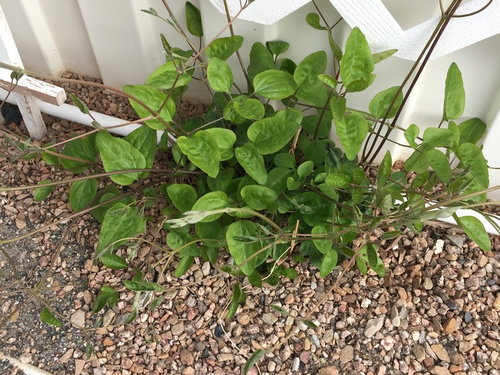
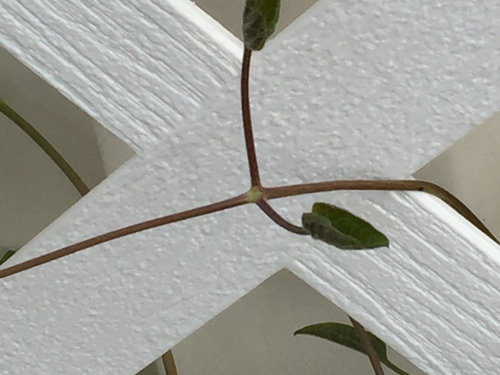
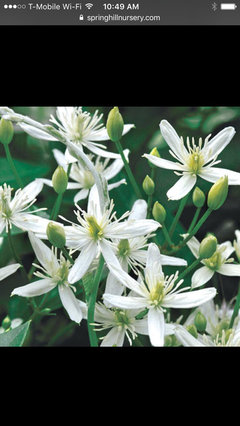
Silver Lace or ?
9 years ago
last modified: 9 years ago

Featured Answer
Sort by:Oldest
Comments (11)
Related Professionals
Huntington Landscape Architects & Landscape Designers · Oneonta Landscape Architects & Landscape Designers · Victorville Landscape Architects & Landscape Designers · El Paso Landscape Architects & Landscape Designers · Effingham Landscape Contractors · Longview Landscape Contractors · North Adams Landscape Contractors · Jackson Landscape Contractors · Toronto Landscape Contractors · Natchitoches Architects & Building Designers · Waco Architects & Building Designers · Nashua Architects & Building Designers · Oneonta Architects & Building Designers · Santa Barbara Architects & Building Designers · Albuquerque Architects & Building Designers 9 years ago
- 9 years agolast modified: 9 years ago
- 9 years ago


Related Stories
TRADITIONAL STYLEDecorating With Antiques: Silver’s Legacy
Learn how to tell sterling from plate, ways to display pieces and why silver is so darn special to begin with
Full Story
HOLIDAYSInternational Traditions: Christmas at Home in Australia
Diving into pools and brandy-laced pudding with equal gusto, Australians keep on the sunny side at Christmastime
Full Story
WEDDINGSHouzz Call: Show Us Your Backyard Wedding!
Did you say ‘I do’ at home? We want to hear and see everything about it. Share your photos and you could be featured in an upcoming ideabook
Full Story
DECORATING GUIDESHow to Get Authentic French Style in Your Home
Move over Shabby Chic and French Provincial. These myths and realities reveal the real look of French decor
Full Story
FALL GARDENING5 Ways to Put Fall Leaves to Work in Your Garden
Improve your soil and yard the organic way with a valuable garden booster that grows on trees
Full Story
LANDSCAPE DESIGNSee 5 Unexpected Ways to Use Vines
Vines can grow over slopes, trail off pergolas and add seasonal color to the garden
Full Story
DECORATING GUIDESThe Most Helpful Furniture Piece You May Ever Own
Use it as a table, a seat, a display space, a footrest ... and indoors or out. Meet the ever-versatile Chinese garden stool
Full Story
MOST POPULAR8 Little Remodeling Touches That Make a Big Difference
Make your life easier while making your home nicer, with these design details you'll really appreciate
Full Story
DECORATING GUIDESThe Enduring Appeal of the Egg Basket
Hardworking wire baskets are flying the coop for a life inside, appearing as storage, organizers and decor
Full Story
Sponsored

bogturtle