

Gritty Mix for Rhododendrons and Azaleas?
9 years ago
last modified: 9 years ago
Sort by:Oldest
Comments (4)

Related Stories
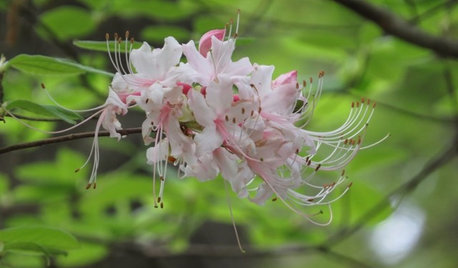
GARDENING GUIDESGreat Design Plant: Rhododendron Canescens
Have a damp, shady spot in your garden that needs a lift? This Southern U.S. native may be the solution
Full Story
PLANTING IDEASStretch the Budget, Seasons and Style: Add Conifers to Your Containers
Small, low-maintenance conifers are a boon for mixed containers — and you can transplant them to your garden when they’ve outgrown the pot
Full Story
CALIFORNIA GARDENINGCalifornia Gardener's May Checklist
Only one major chore but a plethora of planting possibilities means a delightful month in California gardens
Full Story
LANDSCAPE DESIGNEnjoy the Romance of Dining in a Classic Gravel Garden
Here’s what to consider when it comes to installing, styling and maintaining a DIY-friendly gravel patio
Full Story
LANDSCAPE DESIGNFind Yourself in an Epic Garden in the Shade
Feeling hot and tired gardening in the sun? The world of shade gardening beckons you to its cool mystery
Full Story
GARDENING GUIDESGet on a Composting Kick (Hello, Free Fertilizer!)
Quit shelling out for pricey substitutes that aren’t even as good. Here’s how to give your soil the best while lightening your trash load
Full Story
GARDENING GUIDESBring On the Blossoms: 9 Top Picks for Flowering Shrubs
Gorgeous spring- and summer-blooming shrubs deliver color, fragrance and pollinators to your garden
Full Story
GARDENING GUIDESHouzz Call: What’s Your Favorite Backyard Beauty?
The simple, honest daisy is this writer’s go-to garden flower. We want to hear which plant, flowering or otherwise, gives you special joy
Full Story
GARDENING GUIDESTop 12 Summer-Blooming Perennials for Deer-Resistant Drama
Can you have garden color, fragrance and exciting foliage with hungry deer afoot? These beauties say yes
Full Story
FLOWERSWhy You Should Give Hydrangeas a Place in Your Yard
The exuberant mop-headed beauties evoke dreams of an endless summer by the sea
Full Story
More Discussions
akamainegrower
Dave in NoVA • N. Virginia • zone 7A
Related Professionals
Baltimore Landscape Architects & Landscape Designers · Zanesville Landscape Architects & Landscape Designers · York Landscape Architects & Landscape Designers · Cedar Rapids Landscape Architects & Landscape Designers · Binghamton Landscape Architects & Landscape Designers · Everett Landscape Architects & Landscape Designers · Salina Landscape Contractors · Hagerstown Landscape Contractors · Wilmington Landscape Contractors · Houston Landscape Contractors · Waterloo Landscape Contractors · Poughkeepsie Landscape Contractors · Bend Landscape Contractors · Montréal Landscape Contractors · Sheridan Home Additionswestes Zone 9b California SF BayOriginal Author
akamainegrower