

ancaster sulfur spring
9 years ago
Featured Answer
Sort by:Oldest
Comments (11)
 9 years ago
- 9 years ago
Related Professionals
Dayton Landscape Architects & Landscape Designers · Ardmore Landscape Architects & Landscape Designers · Harrisonburg Landscape Architects & Landscape Designers · Anchorage Landscape Architects & Landscape Designers · Nashua Landscape Contractors · Portsmouth Landscape Contractors · Concord Landscape Contractors · Portland Landscape Contractors · California Stone, Pavers & Concrete · Orangeburg Stone, Pavers & Concrete · Greenfield Stone, Pavers & Concrete · Lawrence Stone, Pavers & Concrete · Taunton Stone, Pavers & Concrete · Madison Stone, Pavers & Concrete · Albuquerque Stone, Pavers & Concrete 9 years ago
- 9 years ago
- 9 years ago
- 9 years ago
- 9 years agolast modified: 9 years ago
- 9 years ago
- 9 years ago
- 9 years ago

Related Stories
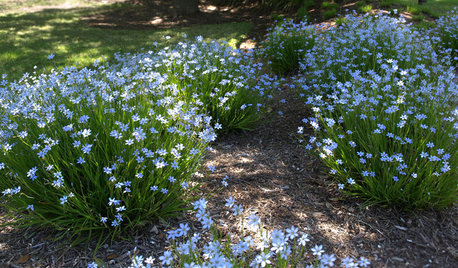
FLOWERS10 Spring Wildflowers for the Central Plains
These blooming native perennials thrive in dry locations and help welcome early-season pollinators
Full Story
WINTER GARDENINGPruning Secrets for Exquisite Roses
Encourage gorgeous blooms year after year with this time-tested advice on how to prune your rosebush in winter for health and shape
Full Story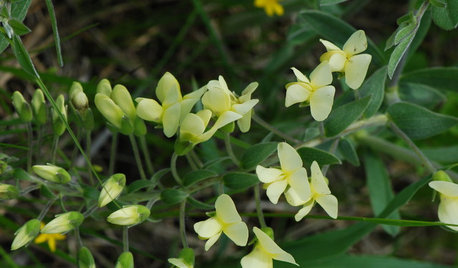
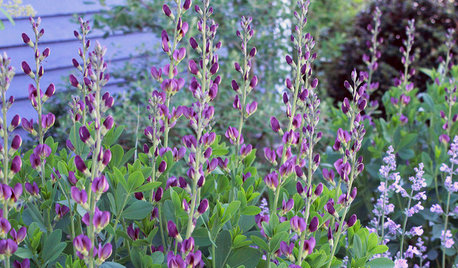
FLOWERS AND PLANTSPlant Baptisia Bracteata for Blooms Pollinators Will Love
Longbract wild indigo is great in dry soil, and its spring flowers attract butterflies and bumblebees
Full Story
REGIONAL GARDEN GUIDESCentral Plains Gardener's October Checklist
Fall foliage color and crisp mornings, plus mulching beds and planting spring bulbs, make October a gardener's heaven
Full Story
GREENColor Guide: How to Work With Chartreuse
As earthy or electric as you please, this yellow-green hue brings the zing or just freshness to homes from traditional to modern
Full Story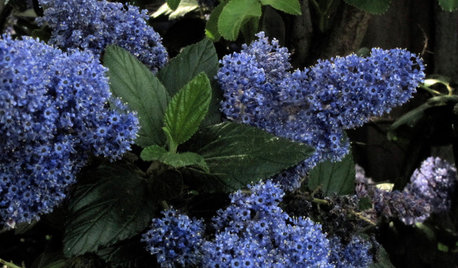
GARDENING FOR BUTTERFLIESGreat Design Plant: Ceanothus
Try these springtime stars for a bolt of blue, especially where you've got a dry spot in the garden
Full Story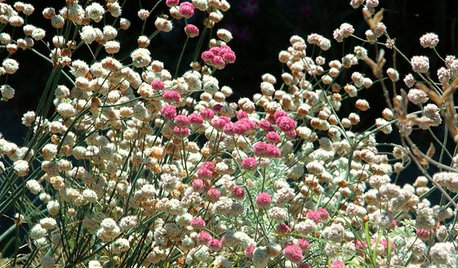
GARDENING GUIDESGreat Design Plant: Eriogonum Nudum, a Summer Oasis for Pollinators
Naked buckwheat is a bee and butterfly magnet with an easy nature, a tough constitution and profuse pom-pom flowers in summer
Full Story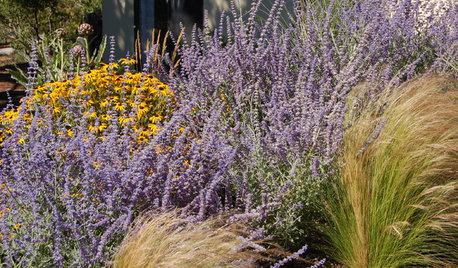
CALIFORNIA GARDENINGSouthern California Gardener's November Checklist
Sow wildflower seeds while ye may, give berries some love and pay attention to produce for garden veggies all winter long
Full Story0
GARDENING FOR BUTTERFLIES7 Native Wildflowers to Make You an Awesome Butterfly Host
Offer the leaves of these and you’ll get more butterflies than with flower nectar alone
Full Story
GARDENING GUIDES3 Ways to Revel in Summer Garden Sweetness
Patiently observe what works and doesn’t work in your landscape
Full Story
User