Software
Houzz Logo Print
cindy_acker14

Raised garden disaster

9 years ago

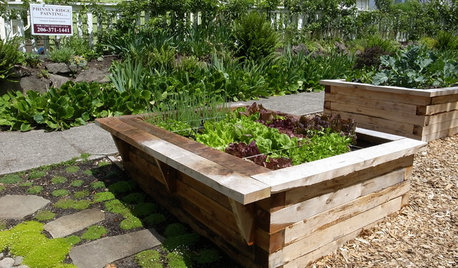
I moved to western Arizona 10 months ago from northwest Pennsylvania. Started a raised garden bed, my first. Planted tomatoes, Brussels sprouts, broccoli and cauliflower seedlings. Everything died within a week. Replanted, again everything died. Checked with the nursery where we bought the dirt. Was told soil was ready, didn't have to add anything to it. Planted a third time, things are growing now but they don't look healthy ( except for the Brussels sprouts ). On the other side of the bed I planted seeds, green beans, watermelon, zucchini. The first time nothing came up. Just replanted this week, nothing is up yet. I've tried using fertilizers. Didn't help. Thought maybe I was watering too much or not enough. Even tried adding a bag of soil. Still not helping. I always had a big garden when I was back east and hate to give up. Any suggestions ??

Comments (14)

  • 9 years ago

    I was told by staff at star nursery to water twice a week. A coworker said she waters her twice a day. I guess i do it every couple of days. Just a few minutes on the shower setting. It's wet but with no standing water.

  • 9 years ago

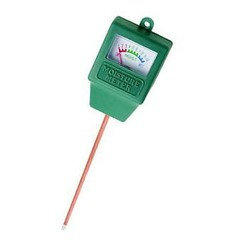
    1) Buy a moisture meter to measure soil dryness.

    2) Lay down a soaker hose instead of the shower. And buy a simple, inexpensive timer to attach to the hose bib to water twice a day.

    3) Check the planting schedule for your area to make sure you are planting the right plants at the right time. For example, 10 months ago would have been June, if you planted tomatoes in July in Arizona, they won't grow too well in winter. The brussel sprouts, broccoli and cauliflower should have been ok.

    The Urban Farm Planting Calendar

    4) Gardening in Arizona is not going to be anything like gardening in Pennsylvania. It's a whole new deal. Sorry. And good luck.

    Where, exactly, is western AZ?

    Cindy Acker thanked MaryMcP Zone 8b - Phx AZ
  • 9 years ago

    Ok Cindy hope I don't drive you crazy but the questions I am going to ask will help us to help you.

    1. what kind of dirt are we talking about? The bag stuff or loose? Bag what kind?

    2. Get on a map site for gardening, find out what zone you are in. Mary is 8b, lazy is 9b, I am 8b as well.

    Never ever believe all gobble BS that nursery people tell you. Get on line and find out for yourself. Ask neighbors, co-workers or get on this site. Home depot was selling lime trees up here and I saw people actually buy them, they will be dead before winter was over.

    Do not use fert with seeds until they pop up and then just maybe some light miracle grow. Do not fert in the hot sun here. Very early morn or early evening. Use a soaker hose or put in a sprinkler/drip of some kind. I moved here 12 years ago from so. California and had to adjust my gardening practices. Mary is right about gardening here, its nothing like where you came from and the size of the bugs won't be either.

    My motto now is just when you think you have giving every seed or plant enough water, do it all over again. Mo water Mo water

    Cindy Acker thanked campv 8b AZ
  • 9 years ago

    The twice a week watering is probably the issue. Check how much water is in the soil about 1-2 inches down the day after you water and you might find it pretty dry. There will usually be some moisture further down in the soil, but faster growing annuals will need it up closer to the surface.

    I would take the suggestion with the soaker hose and timer. I used to try to water manually and I was pretty consistent. Although if I missed a day or two, it's over for most of the plants I grow. I switched to automatic watering when I started growing blueberries because they need very precise watering here in the desert.

    Cindy Acker thanked iandyaz
  • 9 years ago

    I'm in Kingman Arizona about 100 miles east of Vegas. The " bag of dirt " is some mixture of mulch and topsoil. The nursery said to use it when we planted trees,bushes and cacti in our yard last fall. I didn't plant my garden until the end of March was it too early for the things I planted ? I did cover them if the temperature was below 35 or 40 at night. I have started watering more often, I'll see if it helps. I do have a baby green tomato and a small head of broccoli starting. Garden is in the shade part of the day. What do you suggest with the seeds. Should I start seedlings indoor then plant or try doing seeds again , what works best ?

  • 9 years ago

    Oh I'm in zone 8b

  • 9 years ago

    I like to start the seeds in the ground unless it's a long term plant and I don't know exactly where it's going to be planted (like the moringa I started last year). The end of March is fine to start spring/summer plants. If I'm going to do tomatoes, I'll start those at the end of January in small pots and transplant around the beginning of March.

  • 9 years ago

    Kingman is a lot higher elevation I think than Phx so I'm not sure how much help I can be. campv is probably a closer match. For me, I'm primarily interested in growing tomatoes and we have a very short growing season so I start them indoors around Jan 1 and, like Andy, move them out around Valentine's Day. Good luck, gardening is a lot of trial and error and try try again. ;-)

  • 9 years ago
    last modified: 9 years ago

    Regarding soil for the raised bed, I compost kitchen and yard scraps but the main soil in my beds was from a local sand and gravel company. Maybe you can find something similar near you. We have a truck and can drive to their yard and the yard-man scoops however many cubic yards of the type of soil you pick and dumps it in the bed of the truck. It was very economical and I think I did this 2 or 3 times. Usually I got mix of top soil, compost and what they call garden soil. Worked well for me. Here's a link to Pioneer Sand and Gravel, unfortunately I don't see a location near you but maybe this can be a starting point for you.

    Pioneer Sand and Gravel

  • 9 years ago
    last modified: 9 years ago

    Check this out. Find the Sunset book if you can. Spend some hours with the book.

    Sunset climate zones: California desert - Sunset -
    ZONE 10: High desert areas of Arizona and New Mexico
    This zone consists mostly of the 3,300- to 5,000-foot elevations in parts of Arizona and New Mexico. It also includes parts of southern Utah and Nevada, and adjacent California desert. Zone 10 has a definite winter season—75 to more than 100 nights below 32°F (0°C).That favors deciduous fruits, though late frosts can work against apricot crops. In Albuquerque,New Mexico, and Benson and Kingman, Arizona, average winter minimums range from 32 to 23°F (0 to –5°C). Lows of 25 to 22°F (–4 to –6°C) often come in.The cold winter season calls for spring planting. Growing seasons are very long—up to 225 days. More rain falls in the east than in the west, and the Pecos River drainage receives more precipitation in summer than in winter.
    This climate zone shares similarities with its neighbors—the cold-winter Zones 1, 2, and 3, and the subtropical low desert, Zone 13. Like Zones 1 to 3, Zone 11 has cold winters, and like Zone 13, it has hot summers. Hot summer days are followed by mild nights; near-freezing winter nights are followed by daytime temperatures near 60°F (16°C). On average, there are 110 summer days above 90°F (32°C),with the highest temperatures recorded between 111 and 117°F (44 to 47°C).About 85 nights have temperatures below 32°F (0°C),with lows between 11 and 0°F (–12 to –18°C). If soil moisture is inadequate, the characteristic winds and bright sunlight may combine to dry out normally hardy evergreen plants, killing or badly injuring them.

  • 9 years ago
    last modified: 9 years ago

    Well Cindy hope we all could help. Camp Verde is pretty close to kingman as far as growing stuff. I start onion sets in Feb or as soon as I can purchase them. We plant everything else from seed right into the raised beds. Kingman, Flagg and CV always get a freeze or snow depending where your at, around the 18th of March, that's it. This year it was a few days late. Our seeds at that time are already in the ground, not up just planted waiting for sun. Our growing season is very short, so stay a way from stuff that takes a long time. I know Sept. is 5 mo. away but if you plan a winter garden you will need to plant at that time no later. It must still be warm enough to sprout but starting cool nights. Lettuce will make it though the winter even if it gets a dusting of snow along with garlic etc. Good luck you will be fine. If you have anymore questions just log on, that's why we are here

    Forgot to add stick your finger down in the soil about 2 inches, you will know what to do....In Kingmen the wind blows a lot like here and will also dry out the soil. SO.... mo water mo water

  • 9 years ago

    My guess: Cold weather, drying winds, lack of water.

    You get some tremendous diurnal temperature changes in Arizona. With temps in the mid to lower thirties, tomatoes, for example, won't thrive. It's windy this time of year, no? A twenty mph breeze at 7 percent relative humidity means you need water. You need organic matter in the soil to hold the moisture, but my guess is your "soil" (probably mostly decomposed manure) is fine that way. A good mulch wouldn't hurt.

    I had success with wall o waters. Also, plan on using blossom set spray for your tomatoes. They have difficulty setting fruit with nighttime temps below 50 degrees.

  • 9 years ago

    I'm in NM, same Sunset Garden Zone as Kingman ... Zone 10.

    The drying winds can be a real obstacle for starting seeds and keeping plants going. I ended up starting things indoors in soil blocks, and covering them with lightweight frost cover (Agribon) to preserve moisture when they were planted out. The frost cover also blocks many bug pests.

    Mulch, soaker hoses on timers, frequent watering, and lots of compost are necessary.

    http://lazygardens.blogspot.com/  (my stuff since November is the NM experience, before that was Phoenix)

    Also, the cool nights slow down the hot-weather lovers like peppers and tomatoes. The norm is to start them inside on a heat mat or in a warm spot, and transplant when they have a couple of true leaves. They will grow happily in temps they won't germinate in.

    On the bright side, roses do NOT get mildews. And you can keep leafy greens growing all year under a frost cover. Planted in September, it's harvest for November through March. We have enough sunlight that they keep growing.

    I'm just tearing out the remnants of the winter salad greens.

Sponsored
Peabody Landscape Group
Average rating: 3.5 out of 5 stars8 Reviews
Franklin County's Reliable Landscape Design & Contracting