

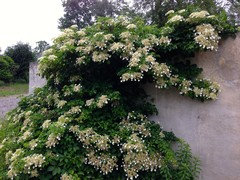
Hydrangea Vines
9 years ago
Featured Answer
Sort by:Oldest
Comments (7)
 9 years agolast modified: 9 years ago
Related Professionals
Somerset Landscape Architects & Landscape Designers · New Orleans Landscape Architects & Landscape Designers · Baltimore Landscape Contractors · Jackson Landscape Contractors · Rochester Landscape Contractors · Worthington Landscape Contractors · Tucson Landscape Contractors · Kalispell Landscape Contractors · Magnolia Design-Build Firms · Vidalia Design-Build Firms · Hannibal Design-Build Firms · Taunton Design-Build Firms · Westerly Design-Build Firms · Murrieta Design-Build Firms · Bozeman Design-Build Firms 9 years ago
- PRO9 years ago
 9 years ago
- 9 years ago
- 9 years ago


Related Stories
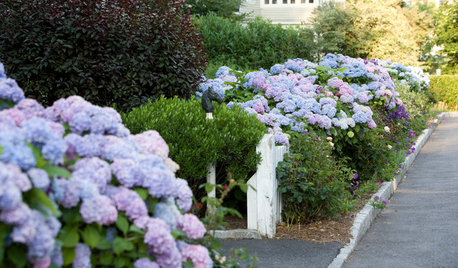
FLOWERSWhy You Should Give Hydrangeas a Place in Your Yard
The exuberant mop-headed beauties evoke dreams of an endless summer by the sea
Full Story
FALL GARDENING6 Deer-Resistant Flowering Vines to Plant This Fall
Have a major deer problem? Here are some of the only vines that have a chance of not being eaten
Full Story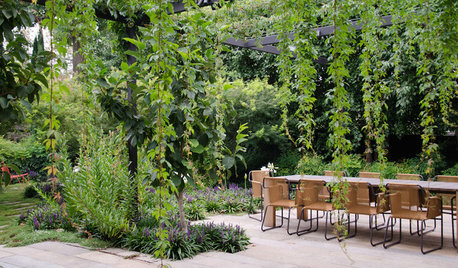
LANDSCAPE DESIGNSee 5 Unexpected Ways to Use Vines
Vines can grow over slopes, trail off pergolas and add seasonal color to the garden
Full Story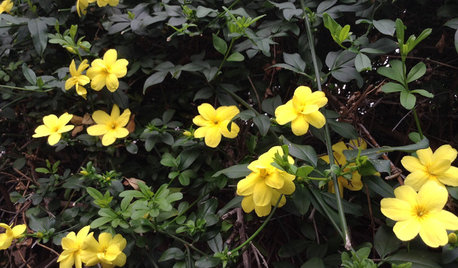
GARDENING GUIDES8 Essential Flowering Vines for the Southeast
These native vines have eye-popping flowers and provide food for bees and birds
Full Story
EXTERIORSCare and Training for a Vine-Covered Home
Love the look but don’t want the ruin? Learn how to have vine-draped walls without all the cracks and crumbling
Full Story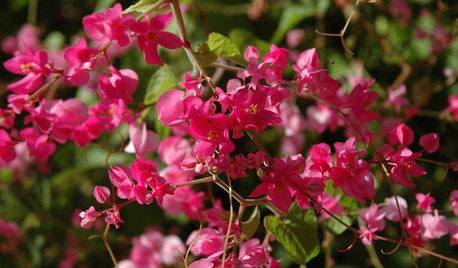
SOUTHWEST GARDENING10 Flowering Vines for Southwestern Gardens
These resilient, adaptable plants thrive in the region’s extreme climate and provide a variety of garden benefits
Full Story
LANDSCAPE DESIGNThe 7 Best Plant Types for Creating Privacy and How to Use Them
Follow these tips for using different kinds of plants as living privacy screens
Full Story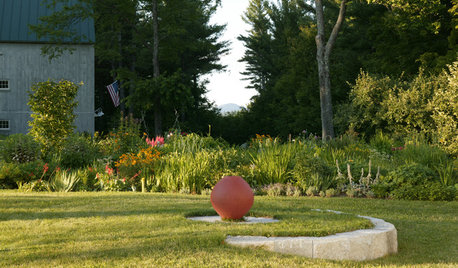
LANDSCAPE DESIGNWhen Less Is Really More in Your Garden
8 ways you can make a powerful garden statement by embracing simplicity and surroundings
Full Story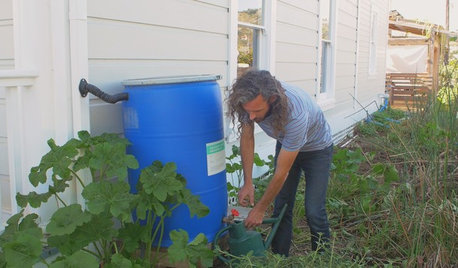
GARDENING GUIDESHouzz Call: Show Us Your Backyard Rain Barrel
As we head into the cooler months, our thoughts turn to rain — and rainwater collection
Full Story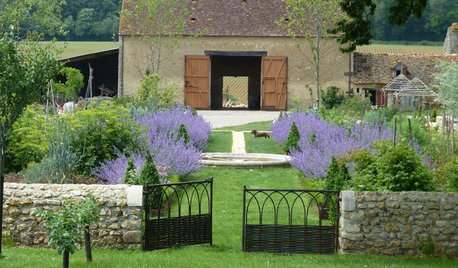
INSPIRING GARDENSWe Can Dream: Lush Life on a Historic Normandy Estate
New gardens surround centuries-old buildings on a 10-acre property in France, creating a beautiful haven
Full Story
luis_pr