

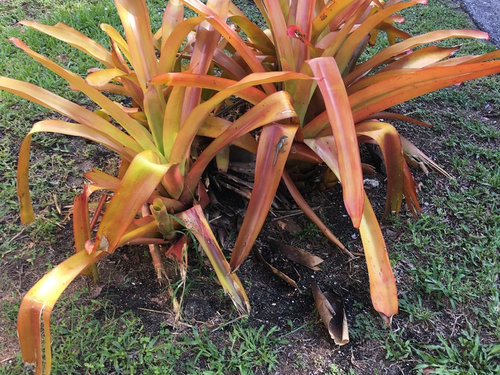
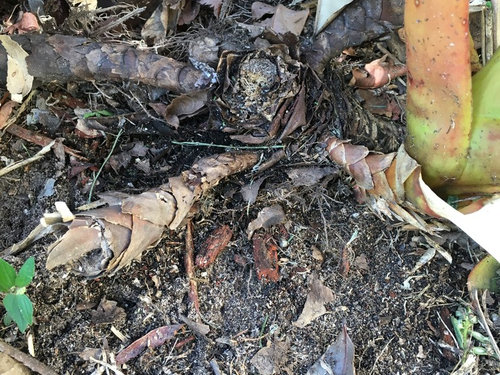
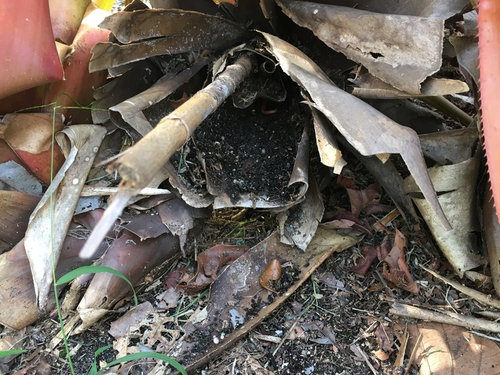
Are these dying?
9 years ago
Sort by:Oldest
Comments (5)
Related Stories
ARCHITECTURETrailblazing Architect Zaha Hadid Dies at 65
In 2004, Hadid became the first woman to win architecture’s highest honor, the Pritzker Prize
Full Story
I. DIE. The Rachel Zoe Project Is Back
As Season 4 premiers we visit some fashion-forward rooms this tastemaker would appreciate
Full Story

SHOP HOUZZShop Houzz: Football Fanatic
Embrace the agony and the ecstasy of being a die-hard football fan
Full Story0
FUN HOUZZSpace We Love: Down the Rabbit Hole
We're dying to crawl through this secret Alice-in-Wonderland tunnel, aren't you?
Full Story
SHOP HOUZZShop Houzz: A Halloween Haven
Don’t miss out on to-die-for Halloween decor, from candles and pillows to string lights and spooky figurines
Full Story0

GARDENING GUIDES10 Drought-Tolerant Shrubs That Thrive in Full Sun and Reflected Heat
Got a hot spot in your garden where plants often die? Try these tough shrubs that add beauty while shrugging off the heat
Full Story
LIFEThe Beautiful Thing About Dad's Chair
My father had his own spot in the house. His father had his own spot. Now I have mine
Full Story
LIFE10 Ways to Cope With Grief During the Holidays
If you are experiencing loss, take it from an experienced griever — life has changed forever, but it does get better
Full Story
LIFE10 Ways to Work Through Grief Triggers During the Holidays
A year after losing her sister, she was facing another holiday. Here’s how one woman learned to find joy again
Full Story
Sponsored
hoovb zone 9 sunset 23
thezombies
Related Professionals
Lansing Landscape Architects & Landscape Designers · Omaha Landscape Architects & Landscape Designers · Newark Landscape Architects & Landscape Designers · Tacoma Landscape Architects & Landscape Designers · Sugar Land Landscape Contractors · Boston Landscape Contractors · Lincoln Landscape Contractors · Brooklyn Landscape Contractors · Hudson Landscape Contractors · Victorville Landscape Contractors · Dover Architects & Building Designers · Des Moines Architects & Building Designers · Gloucester Architects & Building Designers · Hudson Architects & Building Designers · Santa Rosa Architects & Building Designerssplinter1804
Samantha PennOriginal Author
splinter1804