

Is My Spruce Tree Okay?
9 years ago
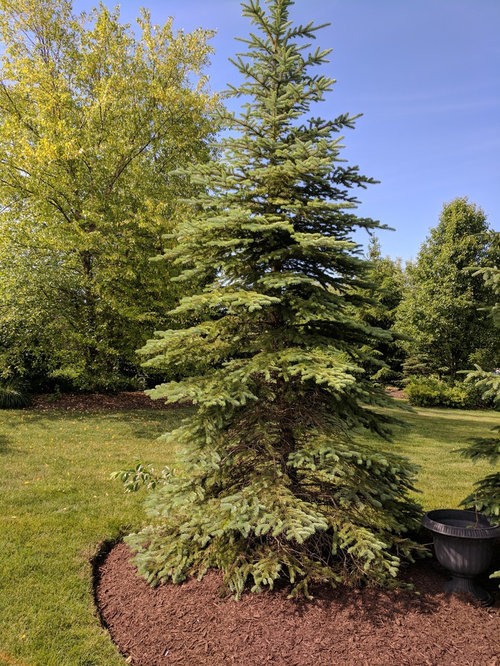
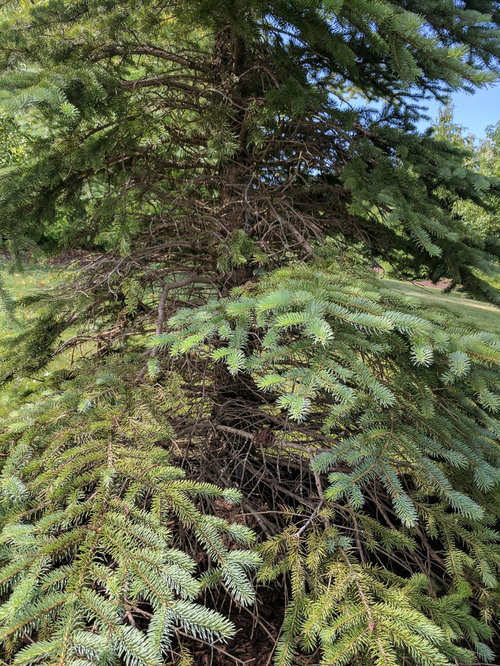
Featured Answer
Sort by:Oldest
Comments (14)
 9 years ago
Related Professionals
Longview Landscape Architects & Landscape Designers · South Sioux City Landscape Architects & Landscape Designers · Wheeling Landscape Architects & Landscape Designers · Cambridge Landscape Contractors · Newport News Landscape Contractors · Bloomington Landscape Contractors · Elgin Landscape Contractors · Saint Cloud Landscape Contractors · Janesville Landscape Contractors · Madison Landscape Contractors · Lake Havasu City Landscape Contractors · Spokane Landscape Contractors · Bartlesville Home Builders · Norfolk Home Builders · Santa Fe Home Builders 9 years agolast modified: 9 years ago
- 9 years ago
 9 years ago
- 9 years ago
- 9 years ago
- 9 years ago
- 9 years ago
 9 years ago
- 9 years ago
 9 years ago
- 9 years ago
- 9 years ago
Related Stories
FEEL-GOOD HOMEEasy Ways to Spruce Up Your Summer Vacation Rental
If your rented cabin, cottage or beach shack isn’t up to par, fear not. A few tweaks can make it more comfortable
Full Story
GARDENING GUIDESGreat Design Plant: Skylands Oriental Spruce, a Favorite Conifer
Brighten up a drab corner of your garden with Picea orientalis ‘Skylands’, a smaller spruce that a bird family might just call home
Full Story
GARDENING GUIDES6 Branches and Berries to Spruce Up Holiday Decor
Bring garden cuttings in from the cold to warm up seasonal arrangements and decorate your home for the holidays
Full Story
DECORATING GUIDESSpruce Up Your Rental, No Nails or Paint Required
Refresh your walls and protect your security deposit with 8 damage-free options
Full Story
FALL AND THANKSGIVINGSimple Ways to Spruce Up Your Home for Thanksgiving
Here are 17 ideas for decor and home organization to help you get ready for the holidays
Full Story
ENTERTAININGGuest Picks: Garden Party Spruce-Up
Warm weather is calling. Celebrate with a party set outside under the sun
Full Story0

DECORATING GUIDESGuest Picks: Make a Fashionista Christmas Tree
Take cues from Hermes, Burberry and Tiffany & Co. for your tree trimmings this year
Full Story
HOLIDAYSHow to Care for Your Christmas Tree
Keep your tree looking lush until the last ornament is packed away with these tips for watering, using stands and more
Full Story
GUESTHOUSESA Hideaway for All Ages Perched Among the Trees in Maine
A modern Adirondack ‘treehouse’ is designed as a place for playing games, reading, sleeping over and enjoying forest views
Full Story
CHRISTMAS TREESWhy You Should Consider a Living Christmas Tree
Potted conifers last for years and can enrich the landscape. Here’s how to select and care for your tree
Full Story

gardengal48 (PNW Z8/9)