

fertilizing annabelle hydrangeas
9 years ago
Sort by:Oldest
Comments (2)
Related Stories
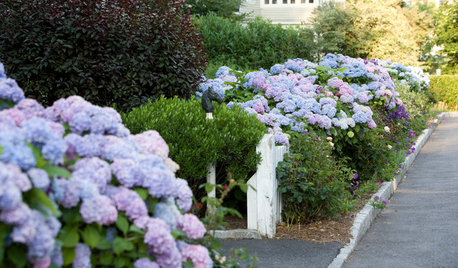
FLOWERSWhy You Should Give Hydrangeas a Place in Your Yard
The exuberant mop-headed beauties evoke dreams of an endless summer by the sea
Full Story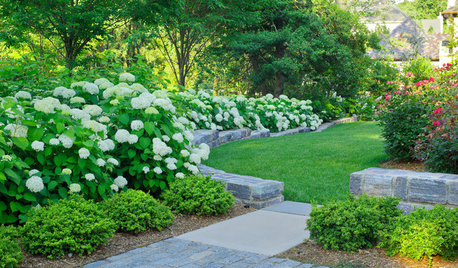
FLOWERS AND PLANTSHydrangea Arborescens Illuminates Garden Borders and Paths
This long-blooming eastern North American native shrub finds a home in landscapes around the world
Full Story
GARDENING AND LANDSCAPINGHave a Ball With Hydrangeas
Even if you don't tinker with the hue by changing the soil, hydrangeas have an entertaining range of uses in all kinds of landscapes
Full Story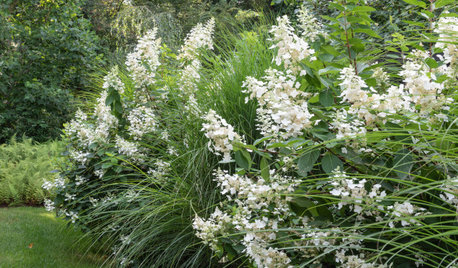
GARDENING GUIDESWhen Is the Right Time to Prune Your Hydrangeas?
The type of hydrangea you have determines when it’s time to trim
Full Story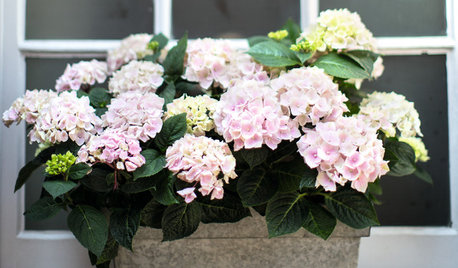
GARDENING GUIDESClassic Bigleaf Hydrangeas Add Old-Fashioned Charm to a Garden
These showy shrubs, familiarly known as mopheads, have long been a flower garden staple
Full Story
GARDENING GUIDESGreat Design Plant: Oakleaf Hydrangea
Consider this full, flowering shrub for year-round beauty in the garden as you plan your fall plantings
Full Story
GARDENING GUIDESCommon Myths That May Be Hurting Your Garden
Discover the truth about fertilizer, soil, staking and more to keep your plants healthy and happy
Full Story
GARDENING GUIDESCalifornia Gardener's June Checklist
Update your hydrangeas, catch up on tomatoes and more ways to enjoy your California garden in June
Full Story
FALL GARDENING5 Ways to Put Fall Leaves to Work in Your Garden
Improve your soil and yard the organic way with a valuable garden booster that grows on trees
Full Story
RED FOLIAGEGreat Design Plant: 'Little Henry' Sweetspire
Small in stature but big on impact, this fuss-free shrub promises spring flowers, fiery fall color and good manners in the garden
Full Story
luis_pr
NHBabs z4b-5a NH
Related Professionals
Wausau Landscape Architects & Landscape Designers · Bainbridge Landscape Contractors · Shreveport Landscape Contractors · Portsmouth Landscape Contractors · Hilton Head Island Landscape Contractors · Amarillo Landscape Contractors · Selma Design-Build Firms · Athens Design-Build Firms · Owensboro Design-Build Firms · Houma Design-Build Firms · Miami Design-Build Firms · Nashville Design-Build Firms · Abilene Design-Build Firms · Kearney Design-Build Firms · Kennewick Design-Build Firms