Software
Houzz Logo Print
mattp321

Native hummer plants

9 years ago

I've been seeing hummer activity in my native garden, focused mostly on cardinal flower (lobelia) and a little bit on monarda (raspberry wine). I was wondering if there are any other native plants or bushes that will attract hummingbirds as well?

thanks

Comments (10)

  • 9 years ago

    Not sure where NOVA is, but I'm in Pennsylvania, here is a link from the Penn State Extention


    PSU Extention - Attracting Hummingbirds

    mattp321 thanked mblan13
  • 9 years ago

    Northern VA

  • 9 years ago

    Thanks for the info it was helpful

  • 8 years ago
    last modified: 8 years ago

    Here's a copy of my list of potential native plants for hummers after I took out most of the deep South ones. Sorry it's huge lol

    Bold are all plants I have seen them feed on in real-life or in photos from hummingbird gardens.

    All of these are native to Eastern US specifically unless otherwise tagged with Northwest US or something.

    Small Trees to large shrubs/treeform shrubs (most of these, e.g. Red Buckeye, flower right as hummers arrive, so they are very important early nectar sources):

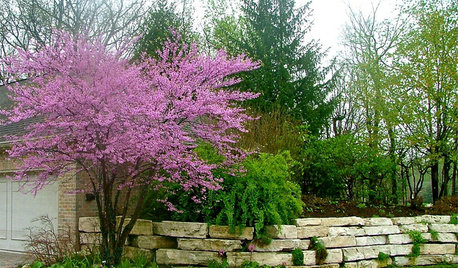
    • Red Buckeye Aesculus pavia (really love this tree, found south of you but it should grow that far north since it's also on the Appalachian mountains in TN. if it doesn't the sterile hybrid of it + European Horsechestnut dubbed 'Red Horsechestnut' is a regular-sized tree like European horsechestnut but has red flowers like Red Buckeye, I have seen these planted all the up in way in MA)
    • Aesculus flava Yellow Buckeye
    • Cherokee Bean (might not be hardy in zone 7 I forget, it's more of a coastal plain plant)
    • Eastern Redbud (more for bees but I have heard of hummers using it)
    • Rhododendron periclymenoides pale pink azalea native to lower Appalachian mountains up to the Northeast
    • Rhododendron calendulaceum red-orange, natural range from N Georgia through all of Western Virginia and Western Northern VA
    • Rhododendron prinophyllum pink, found from WV&VA to Quebec
    • Other species of Azalea that are native to eastern US but not your exact area: Rhododendron austrinum (yellow orange) FL native says it grows to 6b but I'm not entirely sure of that. Rhododendron flammeum is red-orange and is found all the way to northern Georgia naturallyso presumably hardy to zone 7.

    Shrubs

    • Firebush (native to Florida but I'm adding it because it is my number one attractor, everblooming, would require overwintering in your zone)
    • Summersweet/Clethra, various forms including 'Ruby Spice'
    • Mountain Laurel Kalmia latifoli
    • Amethyst Oakleaf Hydrangea
    • Jersey Tea Ceanothus americanus
    • Cestrum 'Orange Peel' (Texas native) indicated as tolerant of your zone but I find that dubious

    Vines

    • Yellow Jessamine
    • Crossvine
    • Trumpet Creeper
    • Trumpet Honeysuckle (my favorite native vine, semi-evergreen) look for 'Major Wheeler' selection which is almost everblooming

    Perennials

    • Agastache foeniculum (native to NW America, easy from seed)
    • Agastache, Mexican Mint type (SW native but supposedly hardy to zone 6 easy from seed, I am growing 'Arizona sun' that way)
    • Liatris spicata (easy from seed, surface-sow as they require light)
    • Heuchera/coral bells (shade, use old school red-flowering varieties)
    • Penstemon digitalis (have heard it is easy from seed but I have no experience)
    • Purple Coneflower (wild type is best-performing in my experience, hummingbirds use this surprisingly a lot even though it is not tubular)
    • Aquilegia canadensis Red Columbine (only native eastern US Columbine species, shade)
    • Monarda fistulosa (easy/cheap from seed, another variety of bee balm)
    • Monarda didyama Scarlet Bee Balm
    • Asclepias tuberosa Butterflyweed (not aggressive, easy from seed)
    • Aslepias incarnata Swamp Milkweed (easy from seed)
    • Silene regia Royal Catchfly (Central/Midwest US native)
    • Phlox paniculata
    • Phlox divaricata
    • Phlox subulata
    • Coreopsis, various species
    • Lupinus perennis Wild Lupine (endangered in your state)
    • Spigelia marilandica Woodland Pinkroot
    • Standing Cypress Ipomopsis rubra (biennial technically, some get it flowering first season, though)
    • Joe Pye Weed (tall)
    • Iris versicolor Northern Blue Flag
    • Lilium superbum Turk's Cap Lily (many other lilies are probably used)

    Personally if I were you I'd get Red Buckeye and Trumpet honeysuckle 'Major Wheeler', I consider them hummingbird musts if youre around their native range. After that Rhododendron calendulaceum, Spigelia marilandica, Aquilegia canadensis, and Heuchera are good to buy as plants. Agastache, Ascelpias (especially tuberosa), Liatris, Purple Coneflower, and Monarda are easy from seed. Also all of the Phlox are very ornamental and generally easy to obtain.

    Seed sources I use are Prairie Moon and Swallowtail Seeds and sometimes Parkseed. If you cannot find plants locally online nurseries I have had luck with are Almost Eden Plants and Santa Rosa Gardens (I've definitely seen Almost Eden offer Red Buckeye and Major Wheeler before).

    Best of luck and congrats on the hummers !! c:

  • 8 years ago
    last modified: 8 years ago

    Matt, tthree natives I grow that get frequent hummingbird visits are one of the honeysuckles mentioned above, Lonicera sempervirens 'Major Wheeler', which in my garden blooms from some time in May until hard freeze, with a huge flush in May but at least some flowers on new growth all season, columbine/Aquilegia canadensis, which blooms right after the daffodils and overlaps with the full bloom of Major W, and cardinal flower/Lobelia cardinalis which blooms here in August.

    I grow a fair number of the plants on Jay's list, but these are the best ones for me. For instance, I have two species of Phlox, but have not ever seen the hummingbirds visit them, though the hummingbird moths visit them often.

    mattp321 thanked NHBabs z4b-5a NH
  • 8 years ago

    Thanks, so I picked up a major wheeler and some of the native columbine, and will plant them this weekend. I already have a few of the cardinal flowers.

    if you could clarify, because I’ve found some conflicting information online... that columbine should go in a sunny, dry spot? Or should it get shade? Or maybe it’s very flexible? And would you put it at the front of the border or in the back? Thanks!!

  • 8 years ago
    last modified: 8 years ago

    Columbine self-seeds a lot (but is easy to pull if it grows where you don't want it) and has seeded in most of my garden areas - sunny, half shade, full shade (where the bloom is sparse) and all well-drained areas whether moist well-drained or relatively dry well-drained. So it is fairly flexible, but never grows in my garden in sodden areas. The foliage is low, but the flowers are about 2' high and airy, so you can either plant near the front or in the middle of the bed. Some folks have mentioned leaf miners, and if seeing that would bug you, plant mid-border.

    mattp321 thanked NHBabs z4b-5a NH
  • 8 years ago
    last modified: 8 years ago

    Mat:

    Morning sun/eastern exposure would be good. I'd mostly be wary of afternoon sun. It is a plant native to woodlands, save the sunniest real estate for other plants. There are a lot of columbine species and the vast majority are native to the West so that might be where the dryness comments come from? I don't grow that species specifically (too hot here lol) but I do grow a yellow Texas species that's supposed to be more heat-tolerant.

    Best of luck with them and the honeysuckles, hope a lot of hummers come your way :)

    My list is kind of long but I do stand by the buckeye, purple coneflowers, milkweed, and honeysuckle. all had nice usage and i grow South American salvias so they had plenty of competition but still were loved

  • 8 years ago
    last modified: 8 years ago

    Mattp, Jay has a good point about shade for the columbine. In my garden they are fine without it, but I am considerably farther north than you

Sponsored