

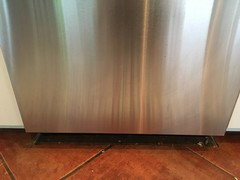
Installing new tile over existing
9 years ago
Featured Answer
Sort by:Oldest
Comments (10)
 9 years ago
Related Professionals
Plymouth General Contractors · Dodge City General Contractors · Mobile Interior Designers & Decorators · Utica Interior Designers & Decorators · Taunton Interior Designers & Decorators · Auburn Architects & Building Designers · Taunton Architects & Building Designers · Harrisburg Architects & Building Designers · Glenwood Springs Architects & Building Designers · Vancouver Architects & Building Designers · Miami Kitchen & Bathroom Designers · Joplin Kitchen & Bathroom Designers · Vincennes Design-Build Firms · Poplar Bluff Flooring Contractors · Lansing Flooring Contractors PRO9 years agolast modified: 9 years ago


Related Stories
REMODELING GUIDESContractor Tips: How to Install Tile
Before you pick up a single tile, pull from these tips for expert results
Full Story
GREAT HOME PROJECTSHow to Install a New Tile Floor
Is it time to replace your tile floor? Here’s how to get it done, which pros to call and what it will cost
Full Story
KITCHEN BACKSPLASHESHow to Install a Tile Backsplash
If you've got a steady hand, a few easy-to-find supplies and patience, you can install a tile backsplash in a kitchen or bathroom
Full Story
TILE6 Questions to Answer Before You Install Tile Flooring
Considering these things before tackling your floors can get you a better result
Full Story
TILEIs It Over for Subway Tile?
Should we ditch the ubiquitous rows of rectangles for a rival, or is subway tile a classic that’s here to stay?
Full Story
FLOORSHow to Get a Tile Floor Installed
Inventive options and durability make tile a good choice for floors. Here’s what to expect
Full Story
BATHROOM DESIGNHow to Match Tile Heights for a Perfect Installation
Irregular tile heights can mar the look of your bathroom. Here's how to counter the differences
Full Story
REMODELING GUIDESFinishing Touches: Pro Tricks for Installing Fixtures in Your Tile
Cracked tile, broken drill bits and sloppy-looking fixture installations? Not when you follow these pro tips
Full Story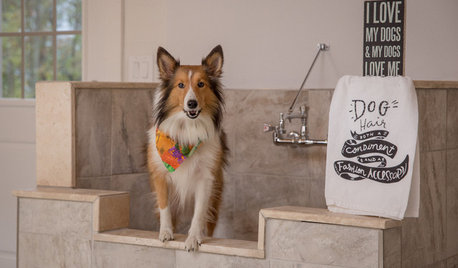
PETSHow to Install a Dog-Washing Station
Find out the options for pet showers and bathing tubs — plus whom to hire and what it might cost
Full Story
MATERIALSThe Most Popular Roofing Material is Affordable and Easy to Install
Asphalt shingles, the most widely used roof material in the U.S. are reliable and efficient, and may be right for you
Full Story


User