Software
Houzz Logo Print
seedg2

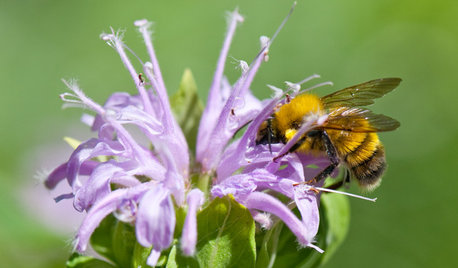
What are the plants YOU noticed bumblebees love?

I am interested in bumblebee conservation and I have a question for you. What are plant species bumblebees love from your own experience?

I don't want the results from google, I can do that myself, I am particularly interested in your own experience with bumblebees. For example, sometimes there are plants that are not believed to be loved by bumblebees but they swarm around them. I am especially interested in rare, unusual plants in this case not just the common ones.


Cheers.

Comments (32)

  • 9 years ago

    That's great, LaLennoxa I already have them planted. They're so tough, resist cold, heat and drought. One of the prettiest perennials. Have you tried growing them from seed?

  • 9 years ago

    Actually - no need! Mine seem to be on crazy steroids. I discussed it a bit on this thread. They grew to like 7 feet tall this year! I find them very easy to divide - in fact, the one I took a picture of on that thread, was had been divided into a small clump the size of a hand earlier this spring. Amazing!

    SeedG (Zone 9b - 10b) thanked LaLennoxa 6a/b Hamilton ON
  • 9 years ago

    Joe Pye weed and Helenium (Helen's flower)

    SeedG (Zone 9b - 10b) thanked Jean
  • 9 years ago

    They really love our perennial hibiscus and hollyhocks.

    SeedG (Zone 9b - 10b) thanked bouquet_kansas
  • 9 years ago

    Salvia. And the bumble bees seem to enjoy going into the turtlehead (chelone) flower where they stay for a bit in secrecy doing their thing :-)

    SeedG (Zone 9b - 10b) thanked LaLennoxa 6a/b Hamilton ON
  • PRO
    9 years ago

    I do a bit of wild bee husbandry.. whatever little lovelies like to show up in my garden, I encourage it. I do love honey bees and would like to keep them too someday, but I have a lot of bees- including bumbles big and small.


    Solomons Seal, Agastache, foxgloves, fennels, tomatoes, squashes, cukes, chickory, lillies, lavender, rosemary, oregano., nasturiums. There's a medicinal plant called Eyeball or Toothache plant that I grow, and a variety of bumbles and other bees are all over it all summer long.

    I live in the boonies and have a lot of space for wild stuff too.. Thistles of all sorts, goldenrod, wild primrose, wild phlox, wild sweet pea, violets.. any and all sorts of alliums, from decorative garden ones, to the blooms on your onions and garlic- if you let those grow- to chives. Clovers of white and red kinds.

    SeedG (Zone 9b - 10b) thanked beesneeds
  • 9 years ago
    last modified: 9 years ago

    I mostly rely on perennials. I have noticed there's a gap between flowering hibiscus and lavender. Leonotis is flowering but they don't seem to like it.

    Drought is a limit factor here. Not everything grows here. Astilbe, cornus, lupins, digitalis, solomons seal really suffer.

    Apart from liriope, there's not much in flower now. Except for sedum. But for long tongued bumblebees there's nothing. I see them flying over and searching for anything. There are some nasturtiums and tomatoes but seems not enough. Lycium barbarum has buds, Symphyotrichums not in flower yet.

    Thank you all again for your experience, appreciate it.

  • PRO
    9 years ago

    Well.. the differences between zones, lol. I'm in zone 6. Around here the lavender blooms in earlier than the hardy hibiscus does.
    Nasturtiums- my garden got an upheaval this year so my regular plush banks of them were just a few bits this year- and yep, I agree for those long tongued bumbles, they noticed. The family has too- we eat the nasts just as much as the wildlife does.

    SeedG (Zone 9b - 10b) thanked beesneeds
  • 9 years ago

    In my garden, they seem to love catmint, chiles, pumpkin flowers and most of my herbs. However, I was out at a park the other day and the sedums, which were just starting to bloom, were COVERED in bumblebees - I had never seen anything like it. There were a ton of hydrangeas nearby, covered in blooms, and the bees were totally not interested because of the sedum.

    SeedG (Zone 9b - 10b) thanked biondanonima (Zone 7a Hudson Valley)
  • 9 years ago
    last modified: 9 years ago

    beesneeds it's zone 8-9 (not sure) probably, lavender blooms more times a year (this year it flowered twice), hardy hibiscus stopped right now.

    Sedum is a major attractor as well here, but it's fading away.

    What about gaura anyone? I grew it from seed this year and it's not blooming yet. Usually it blooms from April until December here.

  • 8 years ago

    I had a plot of celosia I planted for drying the flowers. I noticed they were full of bumble bees as soon as flowers appeared. Much later in the season I also noticed honey bees along with the bumble bees.

    SeedG (Zone 9b - 10b) thanked Happy Hill Farm
  • 8 years ago

    Veronica. I have to be careful when I'm deadheading because of all the bees, bumble and otherwise.

    SeedG (Zone 9b - 10b) thanked littlebug zone 5 Missouri
  • 8 years ago
    last modified: 8 years ago

    Comfrey bushes. When I was younger, in the 80s and 90s (in SW Idaho), my siblings and I called our comfrey bush the bumble bee bush. During the day, when it was in bloom, it always seemed to have plenty of large bumble bees in it. Nowadays, they still attract bumble bees, but I hardly ever see lots of them. Other pollinators come to the bushes now. It was almost exclusively bumble bees before (maybe honey bees and other stuff sometimes). The bush we used to have was healthier than the ones we have now.

    Our comfrey didn't set seeds, but I've read that there are kinds that do that can be invasive.

    SeedG (Zone 9b - 10b) thanked Mokinu
  • 8 years ago

    Mist flower, which is native in my neck of the woods, but especially verbena boniarensis, not native, but by far the most consistent bumble bee magnet in my yard.

    Martha

    SeedG (Zone 9b - 10b) thanked docmom_gw
  • 8 years ago

    Two more, the names of which had slipped my mind. Button bush and cowparsnip. Cow parsnip grows to 8-10 feet, so won't fit into many traditional gardens, but swarms with pollinators when in bloom. Button bush thrives in moist, sunny situations, but can do well in less moist settings, as well.

    Martha

    SeedG (Zone 9b - 10b) thanked docmom_gw
  • 8 years ago

    I have noticed mint, basil, and golden rod seem to be the heavy hitters here in South Alabama.

    SeedG (Zone 9b - 10b) thanked Brad Edwards
  • 8 years ago

    Try Physostegia (Obedient Plant) I grow that here in Southern Virginia and bumblebees really love it. The other bees seem to avoid it though.

    SeedG (Zone 9b - 10b) thanked harold100
  • 8 years ago

    Cercis and Common Myrtle.

    SeedG (Zone 9b - 10b) thanked hoovb zone 9 sunset 23
  • 8 years ago

    Here a copy/paste from Xerces Society's 100 Plants to Feed the Bees book.

    For USA and Canada BUT with some Internetting, make sure they're native in your province/state/country if you're outside North America. Gotta help the pollinators!


    Wildflowers

    1. Anise Hyssop, Giant Hyssop

    2. Aster

    3. Beebalm

    4. Black-Eyed Susan

    5. Blanketflower

    6. Blazing Star

    7. Blue Curls

    8. Blue Vervain

    9. California Poppy

    10. Clarkia

    11. Coreopsis

    12. Culver’s Root

    13. Cup Plant, Compass Plant, Rosinweed

    14. Figwort

    15. Fireweed

    16. Globe Gilia

    17. Goldenrod

    18. Gumweed

    19. Ironweed

    20. Joe-Pye Weed, Boneset

    21. Lobelia

    22. Lupine

    23. Meadowfoam

    24. Milkweed

    25. Mountainmint

    26. Native Thistle

    27. Penstemon

    28. Phacelia

    29. Prairie Clover

    30. Purple Coneflower

    31. Rattlesnake Master, Eryngo

    32. Rocky Mountain Bee Plant

    33. Salvia

    34. Selfheal

    35. Sneezeweed

    36. Spiderwort

    37. Sunflower

    38. Waterleaf

    39. Wild Buckwheat

    40. Wild Geranium

    41. Wild Indigo

    42. Wingstem

    43. Wood Mint


    Native Trees and Shrubs

    44. Acacia

    45. Basswood

    46. Blackberry, Raspberry

    47. Black Locust

    48. Blueberry

    49. Buckwheat Tree

    50. Buttonbush

    51. Chamise

    52. Coyotebrush

    53. False Indigo, Leadplant

    54. Golden Currant

    55. Inkberry

    56. Madrone

    57. Magnolia

    58. Manzanita

    59. Mesquite

    60. Ocean Spray

    61. Oregon Grape

    62. Rabbitbrush

    63. Redbud

    64. Rhododendron

    65. Rose

    66. Saw Palmetto

    67. Serviceberry

    68. Sourwood

    69. Steeplebush, Meadowsweet

    70. Toyon

    71. Tulip Tree

    72. Tupelo

    73. Wild Lilac

    74. Willow

    75. Yerba Santa


    Introduced Trees and Shrubs

    76. Orange

    77. Plum, Cherry, Almond, Peach


    Introduced Herbs and Ornamentals

    78. Basil

    79. Borage

    80. Catnip

    81. Coriander

    82. Cosmos

    83. Hyssop

    84. Lavender

    85. Mint

    86. Oregano

    87. Rosemary

    88. Russian Sage

    89. Thyme


    Native and Nonnative Bee Pasture Plants

    90. Alfalfa

    91. Buckwheat

    92. Clover

    93. Cowpea

    94. Mustard

    95. Partridge Pea

    96. Radish

    97. Sainfoin

    98. Scarlet Runner Bean

    99. Sweetclover

    100. Vetch

    Distribute this list! ☻


    SeedG (Zone 9b - 10b) thanked Aleksey Denzil 5b
  • 8 years ago

    Wow, Aleksey, that's a great list.

    Last year I planted lantana, verbena rigida, phyla nodiflora, asclepias curassavica, ruellia brittoniana, zauschneria californica, ajania pacifica, callirhoe involucrata, hesperaloe parviflora, hebe variegata, salvia elegans and caryopteris clandonensis. Ruellia and a. curassavica were a bit late to emerge but that's normal since they were planted in December and August respectively. Lantana is alive but still waiting for more sun. I can't wait to see them bloom and of course will get back to all of you to tell you my findings.

    This year I renovated my garden on the other side of the house and planted ceanothus thyrsiflorus repens, dalea purpurea and cuphea hyssopifolia. There's a big empty space left which I am saving for echium candicans that I'm growing from seed. There'll be some place for salvia leucantha, some other salvias and possibly acanthus mollis.

    Happy gardening everyone. :)

  • 8 years ago
    last modified: 8 years ago

    The yellow flowers on my Prickly Pears are always loaded with bees.

    How about African Blue Basil? I read it is good for attracting bees. Is it really ant better than the other Basils? Does anyone grow it? I ordered one.

    SeedG (Zone 9b - 10b) thanked sultry_jasmine_nights (Florida-9a-ish)
  • 8 years ago

    Pretty much all flowering fine herbs are good for pollinators! According to another pollinating book that I have, the mints attract the honey bee the most.

    In that same book, among the top plants listed, the ones with most food (pollen and nectar) are:

    anise hyssop (agastache fœniculum),

    Korean mint

    bee plant (phacelia tanacetifolia).


    I'm desperately trying to grow the agastache myself!


    SeedG (Zone 9b - 10b) thanked Aleksey Denzil 5b
  • 8 years ago

    We've got a couple of salvia greggii (Mesa Azure, I think -- purple flowers) that the bumblebees enjoy every morning.

    SeedG (Zone 9b - 10b) thanked javiwa
  • 8 years ago
    I had a 10’ tall ceanothus, aka California lilac, outside my husband’s office window at a previous house. He used to complain that when it flowered, the buzzing was so loud, he couldn’t hear telephone callers if his window was open. I once counted more than 50 bees on it.
    SeedG (Zone 9b - 10b) thanked edenchild
  • 8 years ago

    My book mentioned the ceanothus americanus (New Jersey tea) as a good pollinating shrub!

    SeedG (Zone 9b - 10b) thanked Aleksey Denzil 5b
  • 8 years ago
    last modified: 8 years ago

    @sultry_jasmine_nights I have seen prickly pear loaded with bees. It's quite amazing.

    @Aleksey Denzil 5b Agastache seems to be good although it's known to be short-lived. But it's worth it.

    @javiwa I ordered some seeds of salvia greggii multiple times and am never successful germinating it. I am no novice and all the other salvias (africana-lutea, guaranitica, gesneriflora, leucantha, sclarea) do germinate, but greggii and azurea don't. I wonder if they need cold stratification.

    @edenchild Ceanothus is a great shrub. I planted thyrsiflorus repens and can't wait to see it blooming next year when it gets bigger.

    @Aleksey Denzil 5b I prefer c. impressus because of the more intense blue flowers. But don't find any to buy here in Europe, sadly.

  • 8 years ago

    UPDATE 2018

    I noticed teucrium hircanicum is a great hit among long tongued bumblebees. It's amazing plant. They also love the annual larkspur and oenothera biennis at the morning when it hasn't closed yet.

    The short tongued bumblebees are seen on gaillardia aristata and borago officinalis.

  • 8 years ago

    Not sure, SeedG: my one salvia have to be pushing 5-8 years old (so, not from seed). However, they'd succumbed so horribly to a leafhopper infestation that I bit the bullet and replaced them with salvia Rhea (1/2 off at the local nursery for some very nice look, mature 9-pak). I've had to coddle them a bit in this heat (twice a day hand-watering), but they're doing well. No bumblebees on those, though. But I purchased a duranta tree (currently 4' tall) that the bumbles love -- right outside my window, so I watch them all day.

    SeedG (Zone 9b - 10b) thanked javiwa
  • 8 years ago

    Native plants are best for bumblebees in my experience but there are a handful of very useful exotics I add to my gardens based on their performance in my zone 9a peninsular FL garden. the exotics are marked with an asterisk

    very late winter to early spring when not much is available:
    - *Borage (I start in Sept, blooms start in late winter/early spring)
    - *extra Mustard, Radish, and winter greens like Arugula that I let go to flower
    - Eastern Redbud
    - Native plums (e.g. Chickasaw and Flatwoods)
    - native Viburnum
    - Yaupon holly (mostly carpenter bees)
    - Carolina Jessamine (one of my favorite native vines and the first to bloom, pale yellow and fragrant too)
    - Vaccineums (blueberries and relatives)
    - native blackberry, southern dewberry

    late spring to summer, i have many different species used by various types of bees but these are the ones used by the larger bees like bumble bees:
    - Elderberry
    - *Upright violet porterweed, Stachytarpheta cayennesis (unfortunately the native species does not attract them much in my experience)
    - *Vitex 'Shoal Creek'
    - Purple Coneflower
    - Golden Dew Drop/Duranta, variety i have is purple with white edges, the yellow-leaved form does not flower well

    fall:
    - *Upright violet porterweed, Stachytarpheta cayennesis
    - Golden Dew Drop/Duranta
    - Purple Coneflower

    - Bidens alba, very aggressive wildflower but one of the top nectar plants in the state

    So far, my absolute best nectar plants in general with the widest use by pollinators are upright violet porterweed, purple coneflower, and heirloom zinnias. I'm working on adding more insect-pollinated plants (my yard is hummingbird plant heavy right now).

    Coreopsis grandiflora 'sunburst' and Gaillardia are popular with native bees, just not the big bumblebees. Gaura is notable for its incredibly long bloom season (mine is everblooming actually, albeit more in spurts). It's flower shape is rather unique too so it's great to contrast with all those asters.

    SeedG (Zone 9b - 10b) thanked (Jay/Jax FL/Zone 9a)
  • 8 years ago

    I just grew some Agastache Foeniculum for the first time and it is covered in bumble bees right now.

    SeedG (Zone 9b - 10b) thanked harold100
  • 7 years ago

    In zone 4a, we see them a lot on common milkweed, may night salvia, walkers low carmint, culvers root, partridge pea, bee balm, anise hyssop, oregano, raspberry, balloon flowers and sunflowers. these all seem to be the favorites.

    SeedG (Zone 9b - 10b) thanked Duffy Meadows