

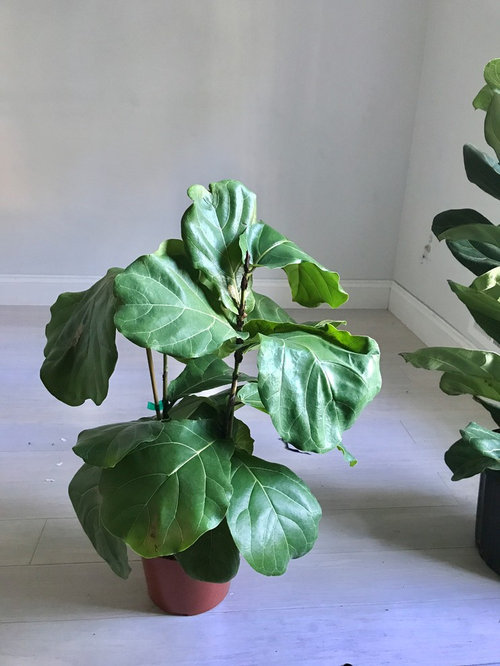
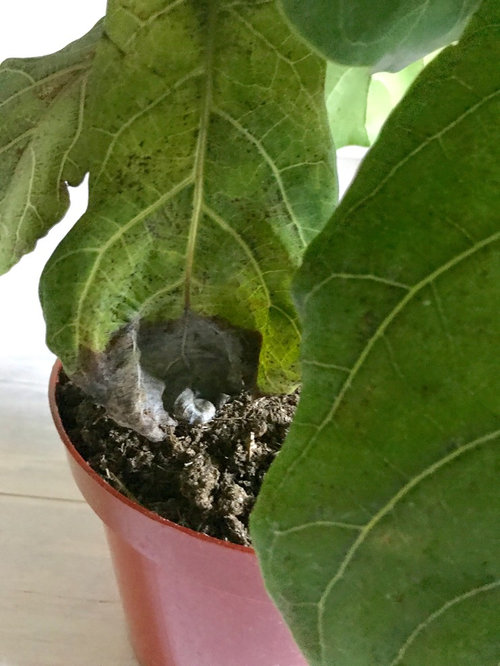
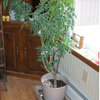
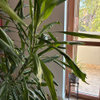
Help! Fiddle leaf dying one leaf at a time.
9 years ago

Sort by:Oldest
Comments (3)

Related Stories

DECORATING GUIDESA Glimmer of Gold Leaf Will Make Your Room Shine
Make a unique, unexpected statement in any space with this precious metallic finish
Full Story
TRAVEL BY DESIGNHouzz TV: Take a Leaf-Peeping Road Trip in New England
Ride along with a Houzz contributing photographer to see gorgeous autumn eye candy from New York to New Hampshire
Full Story
FALL AND THANKSGIVINGFall Foliage Tour: Leaf-Peeping Fun Through Vermont
Get ideas for your autumn landscape on a scenic trip through the Green Mountain State
Full Story
GARDENING GUIDESGreat Design Plant: Little-Leaf Cordia Handles Desert Extremes
Its delicate white flowers are rare in hot and dry sites, but Cordia parvifolia offers more than mere beauty
Full Story
BLUE AND GRAY FOLIAGE6 Stunning Silver-Leaf Plants
Bring luster to your garden with these shining examples of silver plants for both sun and shade
Full Story
HOUSEPLANTSOne Pot, One Big Shot of the Tropics
Give your rooms exotic flair in a single stroke. Tall Kentia palm fits the tropical bill beautifully
Full Story
FEEL-GOOD HOMEHome Time: Bring Touches of Forest Into Your House
These simple decorating and craft ideas can help you create a woodsy wonderland feeling indoors
Full Story
WORKING WITH PROS10 Times to Hire a Landscape Architect
This pro can solve problems, ensure that your home and landscape complement each other and help design special features
Full Story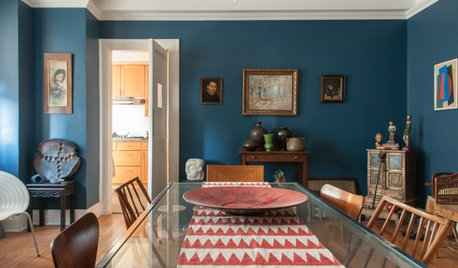
COLORPaint-Picking Help and Secrets From a Color Expert
Advice for wall and trim colors, what to always do before committing and the one paint feature you should completely ignore
Full Story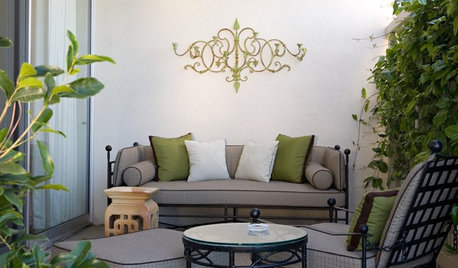

Marcy
samayyzOriginal Author
Related Professionals
Salisbury Landscape Architects & Landscape Designers · Coeur d'Alene Landscape Architects & Landscape Designers · Lake Charles Landscape Contractors · Elkton Landscape Contractors · Pittsfield Landscape Contractors · Green Bay Landscape Contractors · Orange County Landscape Contractors · Medford Landscape Contractors · Rocky Mount Interior Designers & Decorators · Vineland Interior Designers & Decorators · Sioux City Interior Designers & Decorators · Poughkeepsie Interior Designers & Decorators · Los Angeles Interior Designers & Decorators · Santa Barbara Interior Designers & Decorators · Kennewick Interior Designers & Decoratorslitterbuggy (z7b, Utah)