

compost
9 years ago
Featured Answer
Sort by:Oldest
Comments (8)
 9 years agolast modified: 9 years ago
- 9 years ago
Related Professionals
Pine Bluff Landscape Architects & Landscape Designers · Zanesville Landscape Architects & Landscape Designers · Potsdam Landscape Architects & Landscape Designers · Palm Desert Landscape Architects & Landscape Designers · San Bernardino Landscape Architects & Landscape Designers · Tuscaloosa Landscape Contractors · Terre Haute Landscape Contractors · Owensboro Landscape Contractors · Hilton Head Island Landscape Contractors · Burlington Landscape Contractors · Lake Havasu City Landscape Contractors · Yakima Landscape Contractors · Hagerstown Home Builders · Clarksburg Home Builders · Carlsbad Home Builders- 9 years ago
 8 years ago
- 8 years ago
- 8 years agolast modified: 8 years ago
 8 years ago

Related Stories

GARDENING GUIDESGet on a Composting Kick (Hello, Free Fertilizer!)
Quit shelling out for pricey substitutes that aren’t even as good. Here’s how to give your soil the best while lightening your trash load
Full Story
GARDENING GUIDESHouzz TV: Make a Worm Bin for Rich Soil and Happy Plants
A worm-powered compost bin that can fit under a sink turns food scraps into a powerful amendment for your garden. Here’s how to make one
Full Story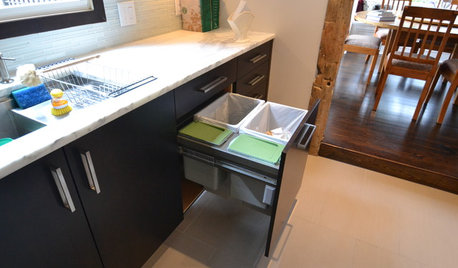
SHOP HOUZZShop Houzz: 4 Ways to Show You Really Love Our Planet
Compost, recycle and save water and energy with these earth-loving picks
Full Story
GARDENING GUIDESMid-Atlantic Gardener's January Checklist
Scatter berries while ye may, be kind to your fair-feathered friends and try a time-saving compost trick that will keep you out of the cold
Full Story
GARDENING GUIDESMid-Atlantic Gardener's November Checklist
Winding down for winter means prepping, potting, piling and picking an indoor solution for daily compost
Full Story0
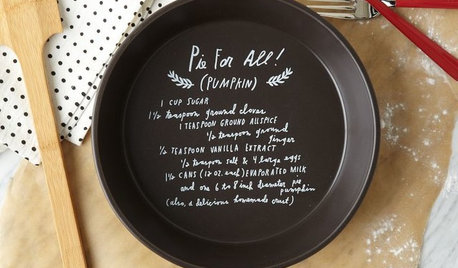
PRODUCT PICKSGuest Picks: Fall Entertaining Favorites
Make autumn feasts a piece of cake with chic compostable plates, pretty glasses, pie accessories and more
Full Story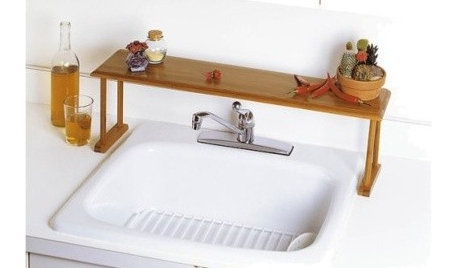
KITCHEN DESIGNGuest Picks: Organizing Your Kitchen for the New Year
Resolve to find a place for plastic bags, compost and piles of dishes to declutter your kitchen
Full Story
FALL GARDENING5 Ways to Put Fall Leaves to Work in Your Garden
Improve your soil and yard the organic way with a valuable garden booster that grows on trees
Full Story
GARDENING GUIDESGardening Solutions for Heavy Clay Soils
What’s a gardener to do with soil that’s easily compacted and has poor drainage? Find out here
Full Story
TINY HOUSESHouzz Tour: A Custom-Made Tiny House for Skiing and Hiking
Ethan Waldman quit his job, left his large house and spent $42,000 to build a 200-square-foot home that costs him $100 a month to live in
Full Story
Sponsored

gardengal48 (PNW Z8/9)