Software
Houzz Logo Print
nevermore44

Wild Dagga

9 years ago


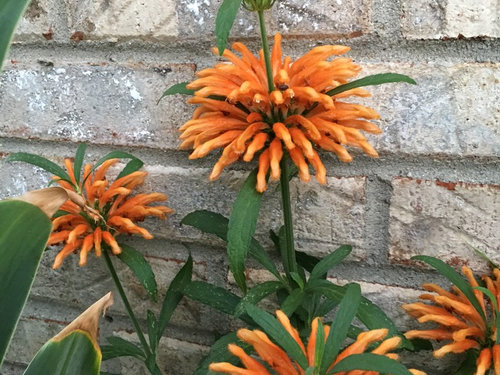
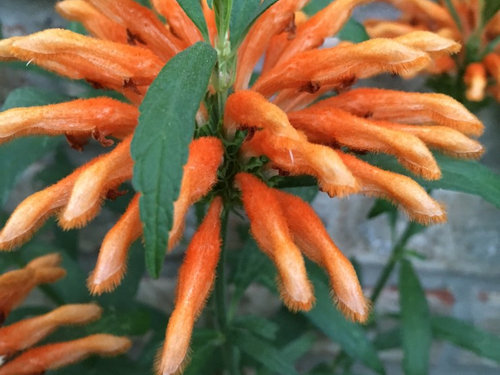
Anyone grow this (strictly for gardening purposes)? I had a local gardener give me a small plant last year grown from a cutting from his large mother plant. He had overwintered it through 5 years…. including two of the worst winters in history, here in zone 6 with a little extra cover of mulch. But then we had last year’s mild winter and mine and his both died. Stinking nature. So I purchased a few this spring to try again. The both just now started to bloom out.


Comments (5)

  • 9 years ago

    i often find that the mild winters are bigger killers.. as compared to the other ...


    i speculate that stuff goes in and out of dormancy during a mild winter.. and that does not make plants happy ... ergo.. get them dormant.. and keep them dormant .. and a heavy pile of insulating snow is a blessing ... in the garden anyway .. lol ...


    thats a cool plant ... shrimp colored ... go figure ... on my monitor anyway ...


    wow on that zone pushing ....

    https://duckduckgo.com/?q=Leonotis+leonurus+zone&t=ffcm&ia=web


    ken

  • 9 years ago

    I've tried it several times - orange is by far my favorite color in the garden and the hummers love it - but have never gotten it to winter over successfully. I am pretty impressed that someone in z6 managed to do so!! Leonotis leonurus is typically listed as a zone 8 plant and where hardy, is a 4-6' tall evergreen shrub.

  • 9 years ago

    I agree with the "soft" winter we had last year.... i had more rot going on some plants then usual come spring. The original guy had just put 6inches of bark mulch on top and that's it. It was against the south side of his home and was a 3.5 x 2.5 bush. The plant in full bloom is amazing looking.

    PS... Ken, you might want to get your monitor looked at! It's a solid orange... not the least shrimp like.... unless you are collector of these types of shrimp...


    Wild Dagga Images


  • 9 years ago
    last modified: 9 years ago

    The issue is that many South African forbs need to have dry winters. Even ones from the winter wet western parts of southern Africa, sometimes need the winters only to be so wet. Cold winter air in North America tends to be dry air. A "mild winter" might mean that the soil was able to stay moister than in a typical winter. This will cause the roots to rot. In fact that's one reason I have the new round of ZA plants I'm trying at the moment in spots that will be bone dry in winter, and require some supplement water in summer. When I kept Pelagonium sidoides alive in my former Virginia garden about 15 years ago, it happened during one of the driest winters we ever had.

    As for Wild Dagga, I had a plant from a west coast nursery in the late 2000s. It produced a bunch of seed and spread around, eventually after a couple years making a big colony that was spectacular. Then, curiously, it failed to regenerate the next year. Point being with a long enough growing season it should be easy as a "slow annual"...not flowering until August or September but looking very nice at that point. And in fact, that might have been what happened, maybe the seeds didn't mature in a summer that wasn't optimal. I mean to get seeds again, but haven't gotten around to it. The problem with letting a big patch of something like that form is keeping everything else weeded out of it...which leads me to another theory of its decline. I might have unthinkingly sprayed that area with Surflan. A germination inhibitor for weeds! I was using a lot back then to get Microstegium under control. (and I've gotten lazy since then, so it's making a resurgence)

  • 9 years ago

    Annoyingly, it was one of my seed fails this year (another orange fan here).

0