

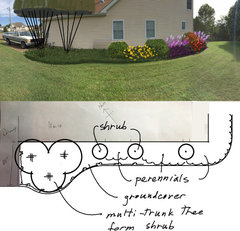
Help design low-maintenance side garden
9 years ago

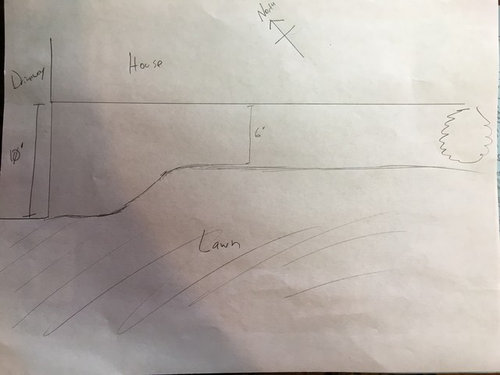

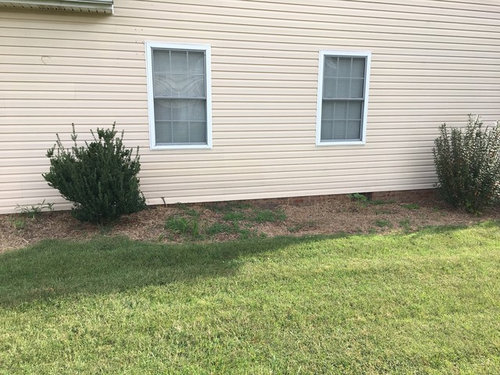

Featured Answer
Sort by:Oldest
Comments (9)
 9 years ago
 9 years agolast modified: 9 years ago
Related Professionals
Chicago Landscape Architects & Landscape Designers · Cowansville Landscape Architects & Landscape Designers · Kansas City Landscape Contractors · Lima Landscape Contractors · Nashville Decks, Patios & Outdoor Enclosures · Tyler Decks, Patios & Outdoor Enclosures · Cambridge Interior Designers & Decorators · Hagerstown Interior Designers & Decorators · Utica Interior Designers & Decorators · Twin Falls Interior Designers & Decorators · Danville Architects & Building Designers · Aberdeen Architects & Building Designers · Eugene Architects & Building Designers · Salem Architects & Building Designers · Grand Rapids Kitchen & Bathroom Designers 9 years ago
 9 years ago
 9 years ago
 PRO9 years ago
- 9 years ago
- PRO9 years ago

Related Stories
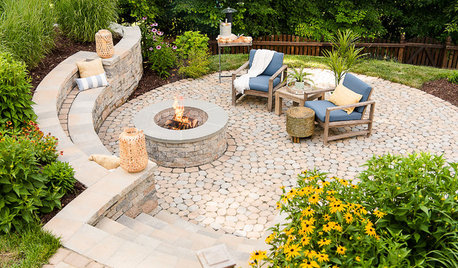
LANDSCAPE DESIGNHow to Design a Low-Maintenance Yard
See 12 ways to set up your garden so you spend less time working on it and more time enjoying it
Full Story
GARDENING GUIDESGreat Design Plant: Low-Maintenance Calliandra Eriophylla
Pink, puffy flowers of pink fairy duster transform the lacy foliage of this desert native in spring
Full Story
FALL GARDENINGGreat Design Plant: Low-Maintenance Allium Cernuum
Nodding onion is a Mid-Atlantic native bulb with beautiful midsummer blooms
Full Story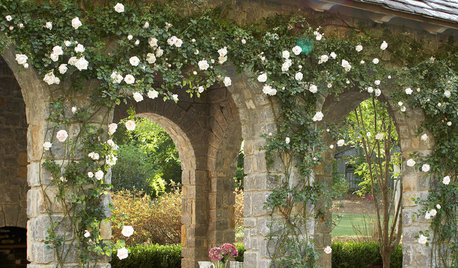
GARDENING GUIDESGreat Design Plant: Rosa Banksiae a Low-Maintenance Beauty
This thornless, disease- and insect-resistant rose brings showers of white or yellow flowers to the spring garden
Full Story
GARDENING AND LANDSCAPING4 Fabulously Low-Maintenance Garden Focal Points
Create a memorable ambience in your landscape with eye-catchers like these
Full Story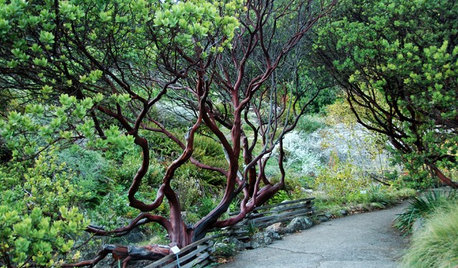
GARDENING FOR BUTTERFLIESGreat Design Plant: Parry Manzanita Stands Out in Low-Water Gardens
Make a dramatic architectural statement and feed wildlife in woodlands and more with Arctostaphylos manzanita
Full Story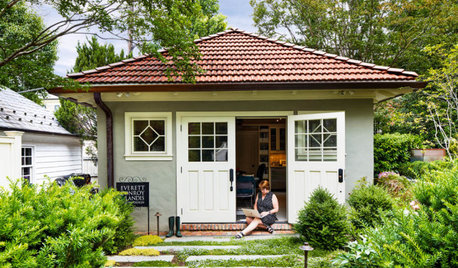
HOME OFFICESExplore a Garden Designer’s Gem of a Backyard Studio
An architect helps transform an existing garage into a home office surrounded by beauty
Full Story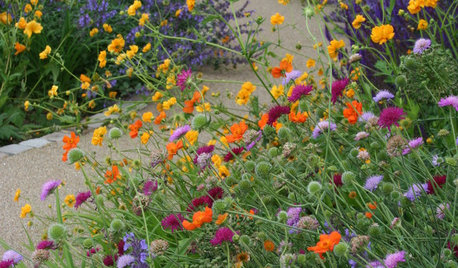
PLANTING IDEAS3 Color Palettes to Help Set Your Garden’s Mood
Select plants in these color combinations to create an outdoor space that’s cheerful, energizing or calming
Full Story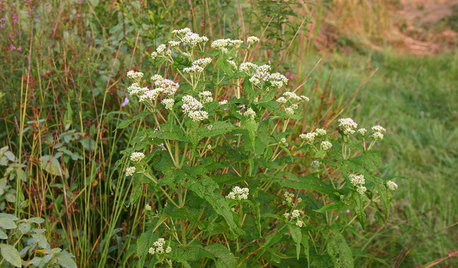
GARDENING GUIDESGreat Design Plant: Common Boneset Helps Good Bugs Thrive
Support bees, moths and butterflies with the nectar of this low-maintenance, versatile and tactile prairie-style plant
Full Story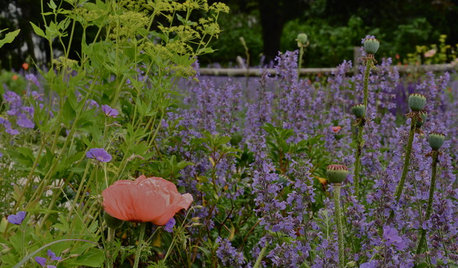
GARDENING GUIDESGreat Design Plant: Walker's Low Catmint
Prolific purple blooms, fragrant leaves, and cold-hardiness makes this a go-to plant for almost any garden
Full Story


chiflipper