

Proper Bed Size
9 years ago
Sort by:Oldest
Comments (5)
Related Stories

BEDROOMS7 Steps to a Better Bed
Create a more comfortable and attractive sleep space with the right bed linens, coverings and pillows
Full Story
BEDROOMS9 Tips for a Well-Dressed Bed
How to Stack Those Decorative Pillows and Coverlets? Some Ideas to Sleep On
Full Story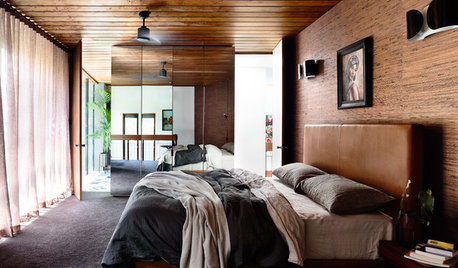
FEEL-GOOD HOMEThe Pros and Cons of Making Your Bed Every Day
Houzz readers around the world share their preferences, while sleep and housekeeping experts weigh in with advice
Full Story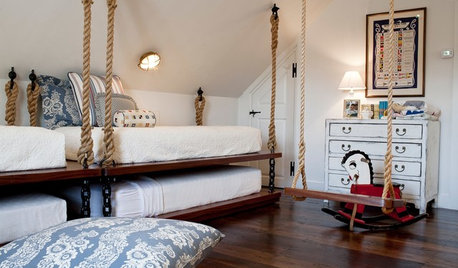
BEDROOMSHow to Get the Look of a Rope-Hung Bed
A true hanging, swinging bed can be pricey to install. Get the next best thing with a platform bed and decorative rope. Here’s how
Full Story
GARDENING AND LANDSCAPINGRaised Beds Lift Any Garden
From good old-fashioned wood garden boxes to modern metal troughs, raised beds can make any landscape space look great
Full Story
GARDENING GUIDES8 Materials for Raised Garden Beds
Get the dirt on classic and new options for raised vegetable and plant beds, to get the most from your year-round garden
Full Story
BEDROOMS10 Ways to Work In a Bunk Bed (or Two)
Built-in or freestanding, kid-focused or grown-up — which of these two-level sleeping spaces would work for you?
Full Story
LIFEReading in Bed Comes Out From Under the Covers
No more sneaking a flashlight beneath the sheets. Grown-up bedtime reading deserves grown-up lighting and other bedside amenities
Full Story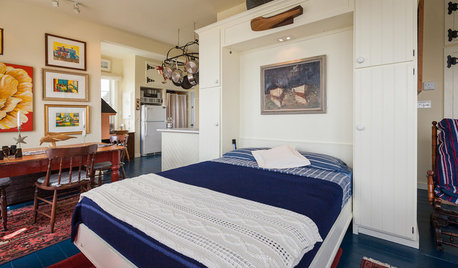
GREAT HOME PROJECTSHow to Add a Murphy Bed
Make a single room serve multiple purposes with a convenient foldaway bed
Full Story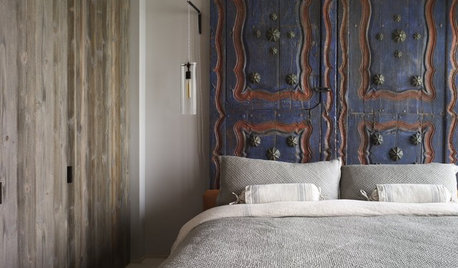
BEDROOMSHeadboard Alternatives to Make a Dull Bed Divine
Take the adventurous route with twigs or splurge on a high-end rug. All of these unusual headboards show creativity and catch the eye
Full Story
littlebug zone 5 Missouri
gardengal48 (PNW Z8/9)
Related Professionals
Fort Smith Landscape Architects & Landscape Designers · Barnstable Landscape Architects & Landscape Designers · Green Bay Landscape Architects & Landscape Designers · Glenwood Springs Landscape Architects & Landscape Designers · Selma Landscape Contractors · Jonesboro Landscape Contractors · Cambridge Landscape Contractors · Fayetteville Landscape Contractors · Atlantic City Landscape Contractors · Sugar Land Landscape Contractors · Laconia Landscape Contractors · Salinas Landscape Contractors · Murfreesboro Decks, Patios & Outdoor Enclosures · Nashua Decks, Patios & Outdoor Enclosures · San Diego Decks, Patios & Outdoor EnclosuresheadmottyOriginal Author
emmarene9
Yardvaark