Software
Houzz Logo Print
nushelu

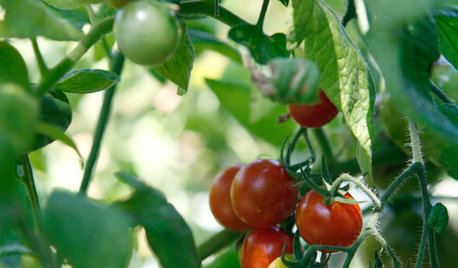
Green tomatoes

8 years ago
last modified: 8 years ago
Isn't it interesting how you can have more green tomatoes at the end of the season than you had ripe tomatoes all season long?

It frosted last night, but I didn't want it to go to waste; so, I gathered up the biggest and also the best-looking tomatoes before they all melted, and I shredded up 40 quarts to can and/or lacto-ferment after cooking (of mostly green tomatoes; there were a few ripe ones here and there). It's amazing how easy to harvest the fruits are once the plants have wilted with frost (you can see the fruit pretty easily).

Apparently, a lot of people eat green tomatoes (I've eaten a few here and there, too). I suspect they're not as toxic as some would believe. Cooking is supposed to reduce (though not entirely eliminate) the toxins. Having been poisoned by an over-ripe eggplant once, I think I'll know what to expect if it does end up being toxic (that wasn't fun, but there was a warning sign: i.e. a burning throat; I don't have problems with eggplant that isn't over-ripe, which I've had since—so, I assume it's not an eggplant allergy). Some say only the smaller, younger green tomatoes are toxic.

I'm curious if lacto-fermenting also reduces the tomatine (and/or solanine) in them.

I get the feeling that green (unripe) tomatoes are about as toxic as tomatillos in the stages we usually eat them.

I get the feeling the leaves have more tomatine in them than the fruits do (some people eat those, too, but more commonly they'll just use one to a few leaves for flavoring). From what I've read, pregnant women wouldn't want to risk eating tomato leaves (and maybe not green tomatoes, either).

Anyway, don't confuse all this with green-when-ripe (GWR) tomatoes. Those shouldn't have any appreciable levels of toxins (when ripe) any more than red, ripe tomatoes do.

Also, please remember that potato leaves and unripe potatoes are *very* toxic. Don't eat those.

Potatoes, tomatoes, tomatillos, peppers, eggplants, tobacco, ground cherries, etc. are all in the nightshade family. They should have similar toxins, but some are much more toxic than others.

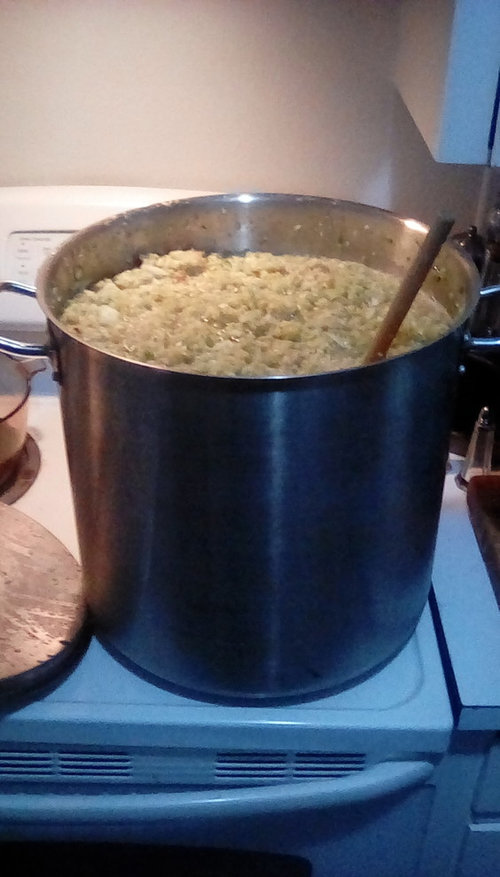
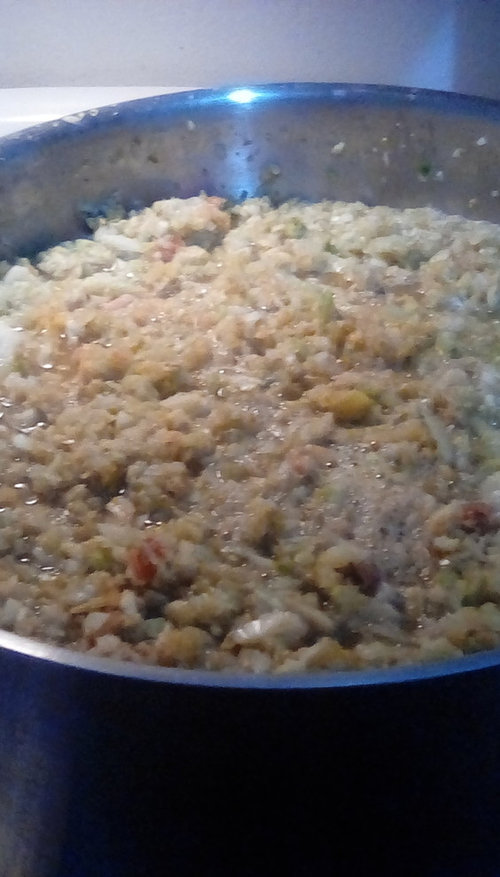
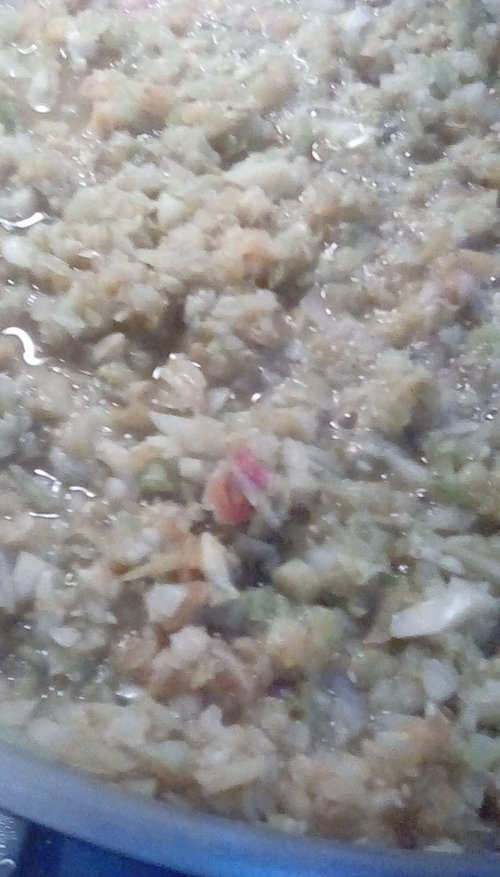
Here are some pictures of the tomatoes after they've been slowly cooking for a good while (it was all the way full). This is a ten-gallon stock pot.

Comments (6)

  • 8 years ago
    last modified: 8 years ago
    It looks like they've updated the tomatine article on Wikipedia a lot since the last time I read it. I should note that there is some debate on whether tomatoes contain any solanine at all (they certainly do contain tomatine, which isn't as toxic as solanine—solanine is the toxic chemical in green potatoes and potato leaves). Some people say solanine is the toxic chemical in just about all nightshades, but I haven't seen science to support that it's not merely a related, but different, compound (different in each species).

    The article says cooking doesn't degrade tomatine.

  • 8 years ago
    last modified: 8 years ago
    Anyway, one great thing about green tomatoes is that there's a lot less tomato waste when you get to processing them. Just about every green tomato is free of diseases, mold, bruises, rotting parts, etc. Most aren't split that otherwise might be (although some are cracked). Most of the stuff I had to throw away was just the calyxes and stems.

  • 8 years ago

    What do you do with that potful of white tomato? How do you eat it? As sauce over something?


    Food in the solanacea family aggravates arthritis. About this time of year (after eating all those yummy tomatoes) I can feel its effects. Each year I grow fewer and fewer tomatoes because of it.


    Green tomatoes do eventually turn red if left on a plate away from the window.

  • 8 years ago
    last modified: 8 years ago

    I ended up with 34 quarts instead of 40. I know I can at least make a palatable salsa with it (although it needs vinegar, IMO). I haven't experimented beyond that. They don't have a strong tomato taste (probably because it was cold when I harvested them, and cold tends to diminish the flavor of many varieties—not Tatura, it seems, though!) I know they'll ripen if left to sit, but it had already frosted, and many of them were partially frozen. I didn't want them to go to waste. We already had a lot in a large pot ripening in the house, too (I just utilized seven quarts of the ripe ones from those, today). I know keeping them all in a pot isn't ideal for storage, but I wasn't in an ideal situation for giving them a more ideal amount of space and air, right then.

    My main concern is that slow cooking them in that metal pan for so long adds an unpleasant taste, IMO (although that taste may diminish after canning, if my experience with jam we made once is representative). I prefer to cook my tomatoes hot and fast for the best flavor, but the pot was so full and I didn't have a lot of time; so, I let it cook on a low heat for over a day.

  • 8 years ago

    When I used to grow tomatoes (too many deer and other critters in new location for vegetables), I used to make them into a sauce for pasta (cutting them very coarsely, not pureed). It was delicious and everyone loved it, can't replicate the taste with time ripe ones. Tomatillos, I believe are not closely related to tomatoes in fact, but I may try using them in a green pasta sauce.

Sponsored
AIS Renovations
Average rating: 4.5 out of 5 stars15 Reviews
Custom Craftsmanship & Construction Solutions in Franklin County, Ohio