

Sustainably balance pH?
9 years ago
Sort by:Oldest
Comments (2)

Related Stories
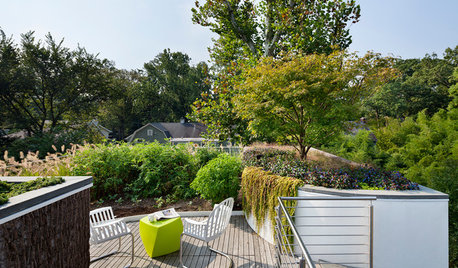
LANDSCAPE DESIGNProblem Solving With the Pros: Sustainable Landscape Captures Runoff
An underground cistern, permeable paving and a rain garden are part of this Washington, D.C. yard's thoughtful design
Full Story
LATEST NEWS FOR PROFESSIONALSHow to Design for Clients Who Want Sustainable Landscapes
Landscape professionals suggest ways to make gardens more ecological and things homeowners can do to help
Full Story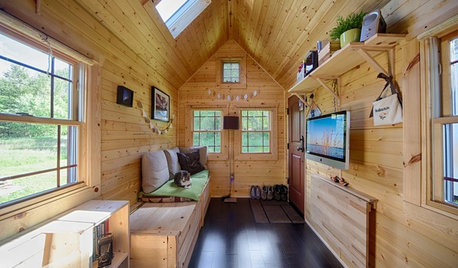
SMALL HOMESHouzz Tour: Sustainable, Comfy Living in 196 Square Feet
Solar panels, ship-inspired features and minimal possessions make this tiny Washington home kind to the earth and cozy for the owners
Full Story
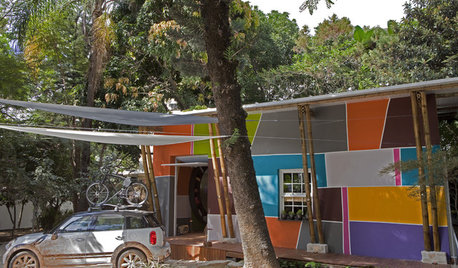
COLORFUL HOMESHouzz Tour: Splashy, Sustainable Shack in São Paulo
An abandoned home gets a second chance as a sustainable weekend dwelling for a Brazilian couple in the design industry
Full Story
ROOM OF THE DAYRoom of the Day: Elegance and Comfort Strike a Balance
A high-traffic Philadelphia family room combines rustic and refined elements with stylish durability
Full Story
GREEN BUILDINGSalvaged Materials Triumph as All-Stars of Sustainability
When you save manufacturing energy and have a beautifully crafted home to boot, it's a win-win situation
Full Story
HOUZZ CALLShow Us Your Sustainable, Green and Energy-Efficient Homes
Share your earth-friendly home or project. It could be featured in an upcoming article
Full Story
HOUZZ TOURSMy Houzz: Light and Balance in a 1950s Ranch Redo
A couple make elegant updates that incorporate a ‘wabi-sabi’ design philosophy in their midcentury Illinois home
Full Story
LATEST NEWS FOR PROFESSIONALSHow Do You Run a Sustainable Business?
Professionals from around the world tell us how they make their practices sustainable and what challenges they face
Full Story
tropicbreezent
Jon BiddenbackOriginal Author
Related Professionals
Waco Landscape Architects & Landscape Designers · Martinsburg Landscape Architects & Landscape Designers · Montgomery Landscape Contractors · Richmond Landscape Contractors · Miami Landscape Contractors · Oneonta Landscape Contractors · Stockton Landscape Contractors · Florence Design-Build Firms · Miami Design-Build Firms · Elgin Design-Build Firms · Alexandria Design-Build Firms · Keene Design-Build Firms · Portland Design-Build Firms · Yakima Design-Build Firms · York Design-Build Firms