

"Oak-Leafed" Wildflower?
8 years ago
last modified: 8 years ago
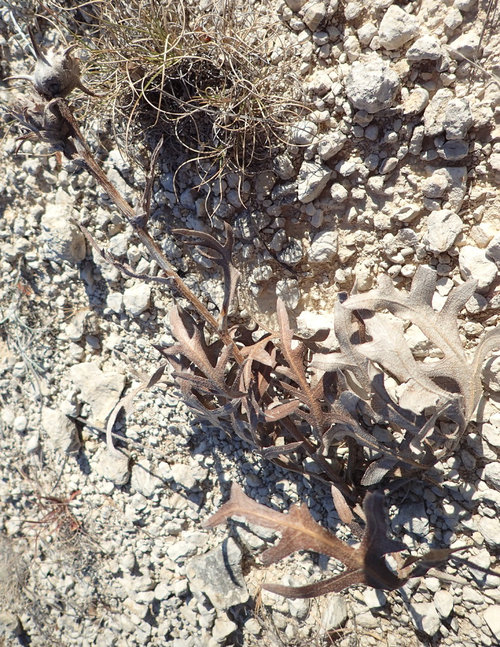
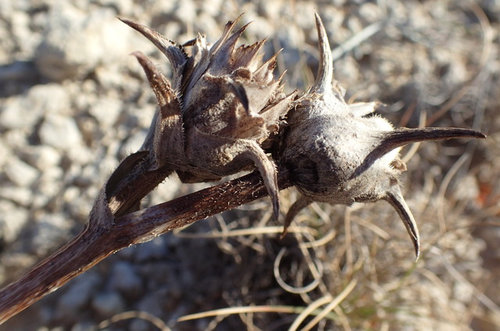
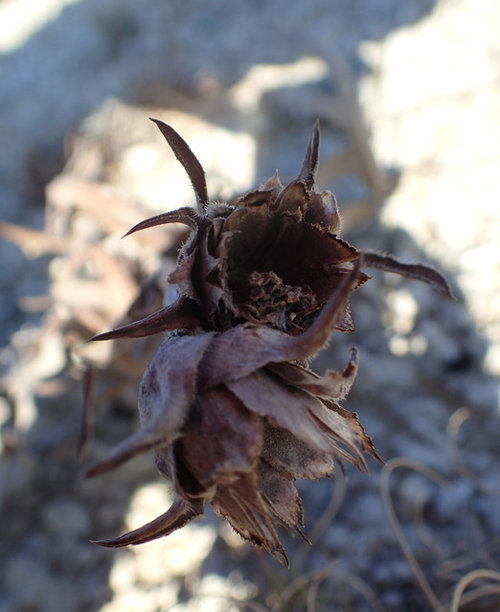
Featured Answer
Sort by:Oldest
Comments (12)
Related Professionals
Baton Rouge Landscape Architects & Landscape Designers · Concord Landscape Architects & Landscape Designers · Williamsburg Landscape Architects & Landscape Designers · Portsmouth Landscape Architects & Landscape Designers · Everett Landscape Architects & Landscape Designers · Oxford Landscape Contractors · Burlington Landscape Contractors · Fargo Landscape Contractors · Burlington Landscape Contractors · Glenwood Springs Landscape Contractors · Elizabeth City Stone, Pavers & Concrete · Columbus Stone, Pavers & Concrete · Fargo Stone, Pavers & Concrete · Canton Stone, Pavers & Concrete · Coeur d'Alene Stone, Pavers & Concrete 8 years agolast modified: 8 years agoblakrab Centex thanked wantonamara Z8 CenTex
- 8 years ago
- 8 years agolast modified: 8 years ago
- 8 years agolast modified: 8 years agoblakrab Centex thanked wantonamara Z8 CenTex
- 8 years agolast modified: 8 years ago
- 8 years agolast modified: 8 years agoblakrab Centex thanked wantonamara Z8 CenTex
 4 years ago
 4 years ago


Related Stories
GARDENING GUIDES10 Essential Wildflowers for the U.S. Central Plains
Focusing on prairie wildflowers supports the most wildlife in a low-maintenance Plains landscape
Full Story
GARDENING GUIDES5 Unsung Wildflowers That Thrive in Dry Shade
Turn shady problem spots into garden idylls with with these prolific, easy-care bloomers
Full Story
GARDENING FOR BUTTERFLIES7 Native Wildflowers to Make You an Awesome Butterfly Host
Offer the leaves of these and you’ll get more butterflies than with flower nectar alone
Full Story
FLOWERS AND PLANTSThis Fragrant, Flowering Ground Cover Thrives Under Shady Oaks
Island gooseberry, or Ribes viburnifolium, is a California native that’s at home in low-water gardens
Full Story
GARDENING GUIDESCelebrate Eastern Oaks for Wildlife, Longevity and Seasonal Interest
There might not be a more important tree to have in your eastern U.S. landscape — if you can fit one in
Full Story
TREESGreat Design Plant: Southern Live Oak Offers an Unbeatable Canopy
Keep it dense or prune it for more light. No matter how you grow Quercus virginiana, it’s a majestic addition to its native landscape
Full Story
CRAFTSCelebrate Fall With Silk-Screened Leaf Candleholders
An unexpected twist takes these stackable embellished candleholders from wonderful seasonal decor into the realm of art
Full Story
GARDENING GUIDESNative Wildflowers for the August Transition Into Fall
Keep the garden colorful with these stalwart perennials
Full Story
WINTER GARDENING10 Native Wildflowers to Beautify Your Winter Garden
They stand strong in wind, feed wildlife and are easy to grow. But you may want to add these plants for their looks alone
Full Story
GARDENING GUIDES10 Native Wildflowers With Unique Foliage
When the flowers fade, these leaves keep the garden looking good
Full Story
peren.all Zone 5a Ontario Canada