

When saving seeds, how best to store them for future?
8 years ago
Featured Answer
Sort by:Oldest
Comments (6)
 8 years ago
- 8 years agolast modified: 8 years ago
Related Professionals
Anniston Landscape Architects & Landscape Designers · Omaha Landscape Architects & Landscape Designers · Bozeman Landscape Architects & Landscape Designers · Leamington Landscape Architects & Landscape Designers · Washington Landscape Contractors · Kissimmee Landscape Contractors · Mount Vernon Landscape Contractors · Lima Landscape Contractors · Portland Landscape Contractors · Tacoma Landscape Contractors · York Landscape Contractors · Tampa Decks, Patios & Outdoor Enclosures · Middletown Decks, Patios & Outdoor Enclosures · Mankato Decks, Patios & Outdoor Enclosures · Poughkeepsie Decks, Patios & Outdoor Enclosures 8 years ago
- 8 years agolast modified: 8 years ago
 8 years ago
Related Stories

NURSERY IDEASWhere to Save and Splurge When Decorating a Nursery
Crib, changing table, wall coverings, storage: Find out where you should spend more and where to give your budget a break
Full Story
HOME TECHThe Price of Storage: What to Consider When Saving to the Cloud
Free photo storage can come at a price. Here’s what to know about free and paid cloud services
Full Story
DECORATING GUIDESBudget Decorator: How to Save When You Don’t DIY
You don’t have to be crafty to decorate your home inexpensively. Here are other ways to stretch your design dollars
Full Story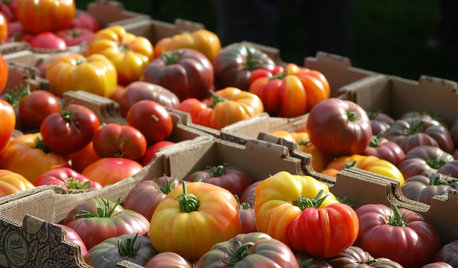
GARDENING GUIDESHow the Little Act of Saving Seeds Can Make a Big Difference
This year, grow an heirloom variety in your garden, save the seeds and play a small part in preserving plant diversity
Full Story
DECORATING GUIDESWhere to Splurge and Where to Save When Decorating
Get a designer’s advice on where to invest in durable essentials and focal pieces for your home, and where to economize
Full Story
DISASTER PREP & RECOVERYHow to Save What’s Priceless When Disaster Strikes
Your careful planning before and your response after a fire or flood can help protect irreplaceable photos and heirlooms
Full Story
BATHROOM STORAGEWhere to Store the Towels When You Don’t Have a Linen Closet
Your extras are fluffed and folded. Now what?
Full Story
CLOSETSHow to Store Your Clothes to Keep Them Looking Good Longer
Here’s what clothes to fold, what to hang and how to stash your off-season stuff
Full Story
CONTRACTOR TIPSBuilding Permits: When a Permit Is Required and When It's Not
In this article, the first in a series exploring permit processes and requirements, learn why and when you might need one
Full Story
REMODELING GUIDESReuse or Replace? How to Save Money on Your Remodel the Smart Way
Find out when you should keep your appliances, fixtures, tile and countertops — and when you should replace them
Full Story
zeedman Zone 5 Wisconsin