Software
Houzz Logo Print
meghanmcg

Remove front yard yew bushes?

8 years ago
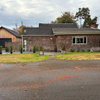
In the midst of reconsidering both front and back yard areas. Am thinking of totally removing (cutting down to the dirt) the evergreen bushes in the front. We are in northeast Illinois and I would love a most-or-all native garden in front. Am also thinking of adding a decorative picket fence to the front as a border to the garden. Any guidance as to the plants and what arrangement would be most appealing? And would cutting down the bushes to the dirt be good enough or do I have to dig them out? Here is the front...

Comments (22)

  • 8 years ago

    If they are yews, you will have to dig them out. Yews have a unique feature among conifers in that they will regenerate from just a cut back stump!!

    I would plan very carefully before I converted a front garden to an "all native" one. In many cases, native plants can look rough and weedy and not exactly what most want for a front garden. And they can sometimes self-seed heavily as well, increasing a weedy look or bumping up maintenance considerations.

    And there is the consideration that you may lack many defining features that give a garden structure, like something evergreen or trees and shrubs for some sort of winter presence.

    If a native (or mostly) garden is what you desire then I would look for a garden designer in your area that specializes in that sort of approach to help you design, layout and make suitable plant choices.

  • PRO
    8 years ago

    I love yews and IMO are one of the best for foundation plantings but if they must go they need to be dug completely up. As for native plantings it is best to go to your garden center and get ones that are not invasive since you have neighbors . I think a walkway from the road would be a nice addition to the landscape too.

  • 8 years ago

    Another point to consider, many municipalities have a "noxious weed" ordinance. Many Native plants are considered "weeds" under these ordinances. Forty + years ago there was a "Natural Yard Lady" in Wisconsin who hired a lawyer to fight the outrageous fines levied by her city. She did win the case, but her neighbors continued to be "up in arms" for many years.

    Native plants also require a "burning off" every so often. This involves getting permission from the Fire Department AND they must be "on hand" while it's done...and you foot the bill. In these days of "smoke hysteria" I'm sure the neighbors would have something to say about that.

  • 8 years ago
    last modified: 8 years ago

    I think the comment about burning native plants off very much depends on the plant you are talking about. I have never heard this and certainly don’t do it to my native plants.

    I would keep the yews and just trim them back. They are a great backdrop to more colourful plantings and are a boon in dreary winters when other plants are dormant or leafless.

  • 8 years ago

    Midwestern or prairie natives are very different from PNW natives :-) And there are seldom the same issues of massive amounts of large native trees and conifers in the midwest as we have here. Burning of any sorts of plants - other than in a yard incinerator (and even that is restricted) - is asking for a brush or forest fire here!!

    Just an FYI but prairie brush fires have long been nature's way of cleaning up or controlling native plant populations.

  • 8 years ago
    Thank you all for feedback. I was hoping to utilize the area in front for something pretty and wanted to try something sustainable / butterfly & bee friendly. I just think the yews are a bit old fashioned, but am certainly open to incorporating them albeit on a smaller scale, if that is a better aesthetic! Not full of ideas, and am hoping to DIY ;)
  • 8 years ago

    HUGE difference between the upper Midwest and the PNW. Fire is a necessary component of the prairie ecosystem. Ash enriches the soil and allows sunlight to reach the soil surface, thereby eliminating the plants from forming a "thatch" which doesn't allow water to reach the soil.

  • 8 years ago

    Meg, a discussion with the owner of a long established plant nursery will afford you many options. Best time for this discussion will be in late Fall when they aren't busy. An overall plan to reduce the amount of turf and have plants selected for their range of blooming time will make your yard a haven for bees, butterflies, and birds. It will take time to establish but, the end result will be worth the effort.

  • 8 years ago
    I love yews, but the problem you have is all of your plantings are way way too close to the house. Yews can grow to 6 feet wide by 5 feet tall and they need space - not poodle haircuts.
  • 8 years ago

    I'm not so sure about the poodle haircut thing........yews are about the most adaptable plant there is to form into whatever shape one wants!! Topiaried yews make wonderful garden accents and curios but may not be the look you are going for :-) But because of this acceptance of hard pruning, they can be kept to any size you want.

    And I continue to be confused about suggestions to contact nursery owners for design help. Unless things are very different elsewhere, nursery owners are primarily concerned about managing their business and increasing sales. They do not often consult with customers on garden design or even much on plant selection, although members of staff might.

  • 8 years ago

    I suggest that you visit the Prairie Nursery web site and ask for their catalogue. They have many pre-planned gardens as well as plants and native shrubs of various types. Another source is your local forest preserve. In Lake County IL they have a massive plant sale every spring, Mother's Day weekend I believe. I have pre-ordered several shrubs from them. There are also other web sites and blogs that might interest you. One of my favorites is monarchgard.com. Benjamin Vogt gardens in Nebraska so some of the plants aren't suitable for IL, but his blog is very inspirational.

    Native gardens needn't look weedy. In beds bordering our lawn I have Prairie Dropseed (grass), which looks great all year round, native geranium for ground cover, penstemen, and tick weed, just for example. All of these have winter interest, in fact the geranium is green all year round.

  • 8 years ago
    last modified: 8 years ago

    While I love the photos of natural wild gardens, I doubt your neighbors will. They do have more periods of downtime regarding bloom than you might expect, and they do look very ragged in their "off" season. We live near a natural prairie area and it is pretty for only a few short months in the year. I usually suggest ripping out huge clumpy overgrown shrubs, but I think you could leave the two at the ends. Then get rid of the short hedge and the plants flanking the porch. Consider enlarging the porch so more than one person can stand on it. Then have a landscape architect who knows their stuff to work up a plan for a blend of native species and garden perennials that can keep you in blooms over a longer span of time. When blooms fade you can count on a few strategically placed annuals to add color while the rest of the landscape is in its more dormant stage as far as blooms go. The pro should be familiar with your state's native plants that will be easier to maintain themselves. BE WARY OF INVASIVE SPECIES - I speak from experience!!!

  • 8 years ago

    Lawn is one of the least environmentally friendly plantings because it doesn’t support wildlife and there is a lot of fertilizer and pesticide runoff.

    Since you would like a picket fence, why not add one along the sidewalk (or street)? Then dig up that section of lawn and begin adding a cottage garden with plants that attract pollinators. Many of the plant catalogs note which plants do. You could grow climbers on the fence.

    One caveat: it will likely be a fair bit of work. I always laugh at those “meadow in a box” packets. Like you can take a bare patch, throw down some seed, and have a lush native garden!


  • 8 years ago

    Your landscaping is very prim and proper. Which is actually quite perfect for a nicely symmetrical, adorably prim little brick house. So whatever you do, keep your house's personality front of mind.

    Replacing the left side corner bush with a slightly more open flowering plant would tick all your boxes. Lilac, hydrangea, snowball bush, etc all attract pollinators. And they are all very pretty and a little old-fashioned :-) The right side could get a rose bush or two. Maybe even a trellis for a climber.

    I would leave the row of hedges in the middle as a great backdrop for seasonal perennials. Have you been here in spring? Do you know what, if anything, will bloom soon?

    Finally, I agree that putting a fence out by the road or sidewalk is a better choice. Check local ordinances for set-back requirements. You can then add more garden plots as you're able :)

  • 8 years ago
    I like shrubs, ornamental trees and groundcover for landscaping the front of a home. It looks great for all seasons. If you desire a flower/native plantings, then I would do that in the back or side yard.
  • 8 years ago
    Yvonnecmartin, thank you for the specifics. And I sort of agree that the local nursery may not want to take too much time with me if I am not buying right then. Was hoping to go in with a list of small bushes / plants in-hand, and the suggestions made so far have been great.

    Lindsey, you make a great point about keeping the personality of the house. Love trellis / climbers, and will look in catalogues for pollinators as suggested by another poster.

    We are close to the Lake County plant sale, and that is a great suggestion. We have been in the house several years, and plan to stay, so I am ok starting with little plants. Just wanted some guidance, and want to be mindful of incorporating some native grasses, bushes and plants. Thank you all so much for the insights!
  • 8 years ago
    Sounds like a good excuse to find your walking shoes and visit the botanical garden!
  • 8 years ago

  • 7 years ago

    Meg Mc - I just came across this conversation and would like to hear how your garden is coming along. I removed all the yews in front of our one story house and have replaced it with native Illinois plants. I think it's beautiful and it's buzzing with pollinators and way more interesting to watch than yews which are not native and not very interesting. I found a lot of misinformation in this column. Non native plants can be very invasive but not many native plants will take over the garden. In suburbia it seems like every house has basically the same plants in varying layouts. No need to be prim and proper and follow everyone else on the block. Also, designing your garden with native plants doesn't have to look messy and most have 3 or 4 season interest unlike the same looking yews year round. Hope you have a photo to share.

  • 7 years ago

    I am not sure what "misinformation" has been disseminated here. It is tough to argue with any of the comments - both sides have pros and cons involved. I would only add that if living in suburbia in your location, a garden comprised entirely of native species will look quite out of place and clash with the architectural style as well as offer pretty much bare ground and/or naked stems for a good portion of the year. Suburban Illinois is NOT the prairies!!

    FWIW, yews are not the slightest bit invasive nor are the vast majority of other common landscaping non-native ornamentals. And there are several species of yew that are indeed native to the US (so one bit of 'misinformation' provided by the most recent poster).......one of the few smaller native evergreen species that will tolerate a cold winter northern Illinois climate.

  • 7 years ago

    Recommended reading: Benjamin Vogt's posts on Houzz and the book "Planting in a Post- Wild World" by Thomas Rainer and Claudia West.

Sponsored
Peabody Landscape Group
Average rating: 3.5 out of 5 stars8 Reviews
Columbus' Reliable Landscape Design & Contracting