

Countertop honing
8 years ago
Sort by:Oldest
Comments (2)
Related Stories
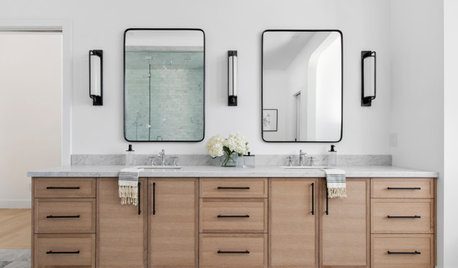
HOUSEKEEPINGHow to Clean Marble Countertops and Tile
Acidic solutions can damage your marble surfaces. Here’s how to keep marble looking clean and amazing
Full Story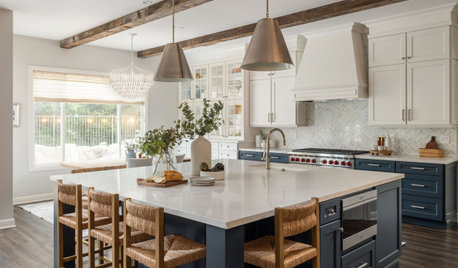
KITCHEN COUNTERTOPSWhat Kitchen Countertop Colors Should You Choose?
Consider these popular colors and styles to get the look you want — no matter what material you use
Full Story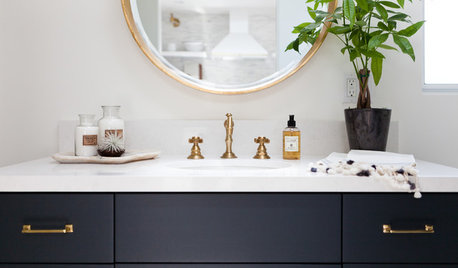
BATHROOM DESIGNBathroom Countertops: The Pros and Cons of Engineered Quartz
See why these designers like engineered quartz for its durability, color options and more
Full Story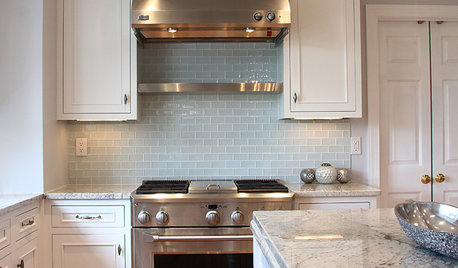
KITCHEN DESIGN5 Favorite Granites for Gorgeous Kitchen Countertops
See granite types from white to black in action, and learn which cabinet finishes and fixture materials pair best with each
Full Story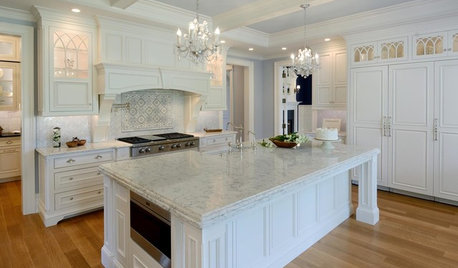
KITCHEN COUNTERTOPSQuartz vs. Granite: The Battle of the Countertops
Read about the pros and cons — and see great examples — of these popular kitchen countertop materials
Full Story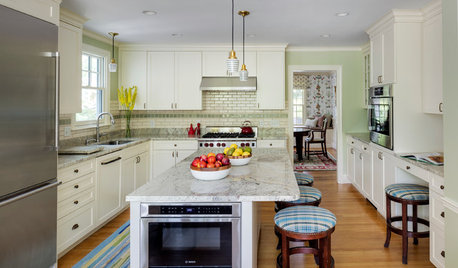
THE POLITE HOUSEThe Polite House: How to Handle Entertaining Around Marble Countertops
Worried about citrus drinks damaging your precious marble counters during a gathering? Here are 2 ways to party on
Full Story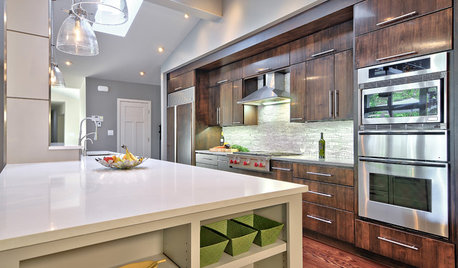
KITCHEN COUNTERTOPS7 Low-Maintenance Countertops for Your Dream Kitchen
Fingerprints, stains, resealing requirements ... who needs ’em? These countertop materials look great with little effort
Full Story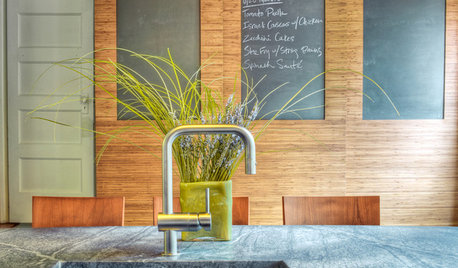
MOST POPULARYour Guide to 15 Popular Kitchen Countertop Materials
Get details and costs on top counter materials to help you narrow down the choices for your kitchen
Full Story
KITCHEN COUNTERTOPSKitchen Countertops: Granite for Incredible Longevity
This natural stone has been around for thousands of years, and it comes in myriad color options to match any kitchen
Full Story
KITCHEN COUNTERTOPSWhy I Chose Quartz Countertops in My Kitchen Remodel
Budget, style and family needs all were taken into account in this important design decision
Full Story

Joseph Corlett, LLC
houseinthewoods18Original Author
Related Professionals
Natchez Kitchen & Bathroom Designers · Cookeville Kitchen & Bathroom Designers · Tuscaloosa Kitchen Remodelers · Abilene Kitchen Remodelers · Virginia Beach Kitchen Remodelers · Chillicothe Kitchen Remodelers · Middletown Kitchen Remodelers · Grand Island Kitchen Remodelers · Syracuse Kitchen Remodelers · Victorville Kitchen Remodelers · Vidalia Custom Countertops · New Orleans Custom Countertops · Branson Custom Countertops · Coeur d'Alene Custom Countertops · Sanford Custom Countertops