

Wilting Flower Problem
8 years ago
Sort by:Oldest
Comments (2)

Related Stories

FALL GARDENING6 Deer-Resistant Flowering Vines to Plant This Fall
Have a major deer problem? Here are some of the only vines that have a chance of not being eaten
Full Story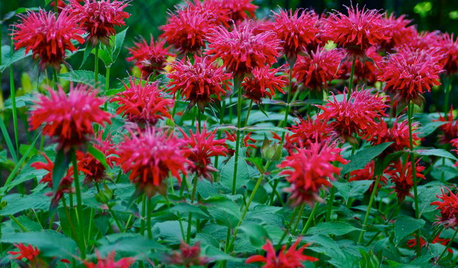
GARDENING GUIDES10 Deer-Resistant Native Flowers to Plant This Fall
Learn about natives that embrace some kinds of wildlife but resist grazing deer
Full Story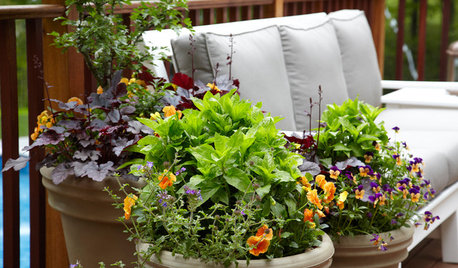
FLOWERS8 Knockout Flowers for a Fall Container Garden
Your cups will overfloweth with color and interest this fall when you plant these vivid seasonal garden classics
Full Story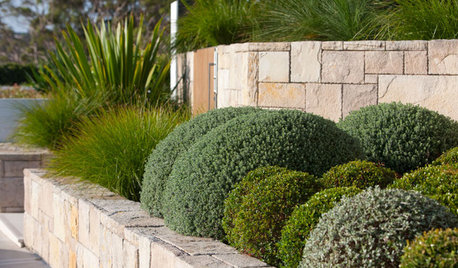
LANDSCAPE DESIGNBoxwood Alternatives Bring the Chelsea Flower Show to You
Don’t let box blight limit your plans to borrow garden design ideas from the renowned British event
Full Story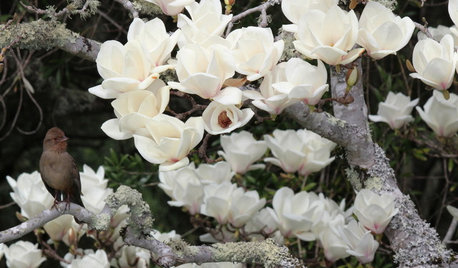
SPRING GARDENING7 Spectacular and Practical Spring-Flowering Trees
Put on a beauteous show in the garden with a landscape tree awash in flowers — just do your homework first
Full Story
CONTAINER GARDENS7 Deer-Resistant Flowers for Your Summer Containers
Grow these as protection for edibles or just for their colorful beauty — deer might not like them, but everyone else will
Full Story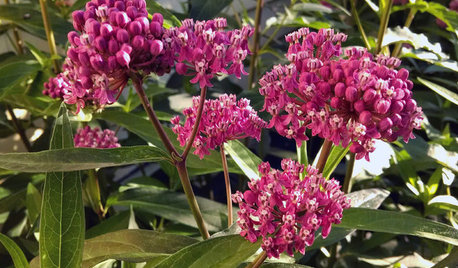
GARDENING GUIDESOh, Deer! 10 Native Flowers That Stand Up to the Herds
Keeping a garden amid hungry deer can be hard, but these plants should fare well
Full Story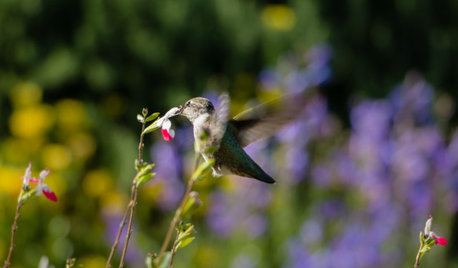
GARDENING GUIDESAttract Hummingbirds and Bees With These Beautiful Summer Flowers
Roll out a welcome mat for pollinators to keep your landscape in balance and thriving
Full Story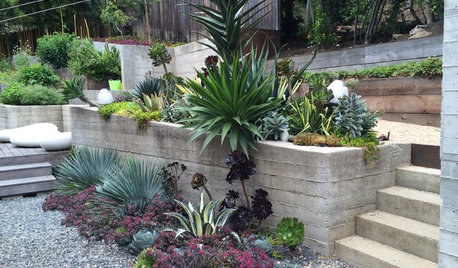
GARDENING GUIDESHow Succulents Can Solve Your Garden Problems
This large group of undemanding, water-wise plants offers pretty and practical answers to your gardening dilemmas
Full Story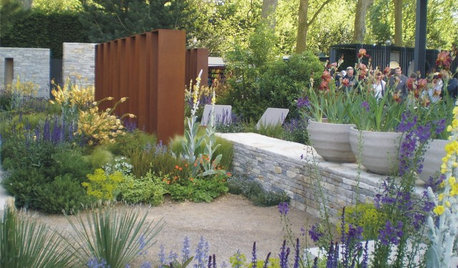
GARDENING GUIDES9 Self-Seeders Capture Chelsea Flower Show Magic
Give your garden show-worthy style with these plants beloved by top designers
Full Story
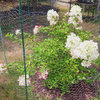
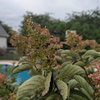
chas045Original Author
luis_pr
Related Professionals
Tupelo Landscape Architects & Landscape Designers · Portsmouth Landscape Architects & Landscape Designers · Oneonta Landscape Architects & Landscape Designers · Modesto Landscape Architects & Landscape Designers · Montrose Landscape Architects & Landscape Designers · Amherstburg Landscape Architects & Landscape Designers · Columbia Landscape Contractors · Concord Landscape Contractors · Torrington Landscape Contractors · Baton Rouge Design-Build Firms · Jackson Design-Build Firms · Texarkana Design-Build Firms · San Francisco Design-Build Firms · Odessa Design-Build Firms · Bend Design-Build Firms