

Need Bromeliad and Buddleia help.
8 years ago
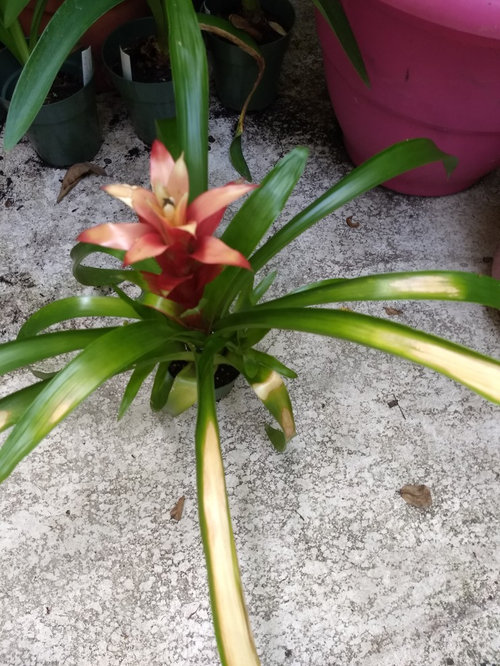
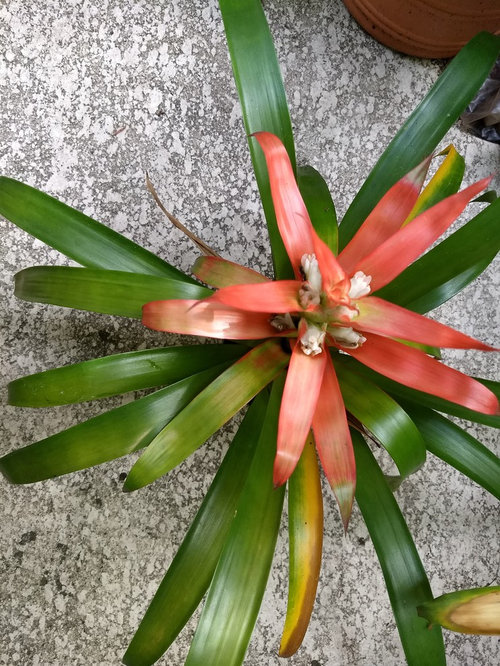
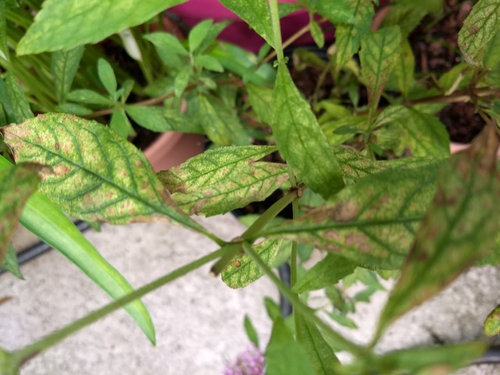
Featured Answer
Sort by:Oldest
Comments (8)
 vml68 thanked Carol love_the_yard (Zone 9A Jacksonville, FL)
 8 years ago
Related Professionals
Lexington Landscape Architects & Landscape Designers · Harrisonburg Landscape Architects & Landscape Designers · Wilmington Landscape Contractors · Albany Landscape Contractors · Florence Kitchen Remodelers · Brooklyn Landscape Architects & Landscape Designers · Santa Fe Landscape Architects & Landscape Designers · Detroit Landscape Contractors · Superior Landscape Contractors · Cape Girardeau Architects & Building Designers · Sebring Landscape Architects & Landscape Designers · Lake City Landscape Contractors · Las Vegas Landscape Contractors · Frisco Home Builders · Niles Home Builders- 8 years agolast modified: 8 years agovml68 thanked Carol love_the_yard (Zone 9A Jacksonville, FL)
- 8 years ago
- 8 years ago
- 8 years ago

Related Stories

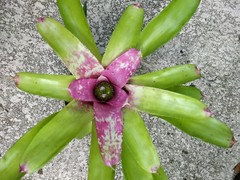
HOUSEPLANTSGo Tropical the Easy Way With Bromeliads
Months of blooms and a tolerance for low light make tropical bromeliads ideal as gifts, indoor centerpieces and outdoor eye catchers
Full Story
GARDENING GUIDESGreat Design Plant: Ceanothus Pleases With Nectar and Fragrant Blooms
West Coast natives: The blue flowers of drought-tolerant ceanothus draw the eye and help support local wildlife too
Full Story
LANDSCAPE DESIGNDitch Shade Garden Gloom the Tropical Way
Has your shade garden strayed too far to the dark side? Help it see the light with tropical bulbs, ground covers and even houseplants
Full Story
GARDENING GUIDESBe Your Own Best Florist With a Bouquet Garden
Shop your backyard for gorgeous floral arrangements — these ideas will help you bring the garden to the table beautifully
Full Story
GARDENING AND LANDSCAPINGLay of the Landscape: Tropical Garden Style
Create a vacation paradise in your backyard even if temperatures sometimes dip with these guidelines for tropical-style gardens
Full Story
INSPIRING GARDENSSucculents Beautify a San Francisco Shade Garden
A garden designed to be viewed from above gets new drought-tolerant, wildlife-friendly plantings
Full Story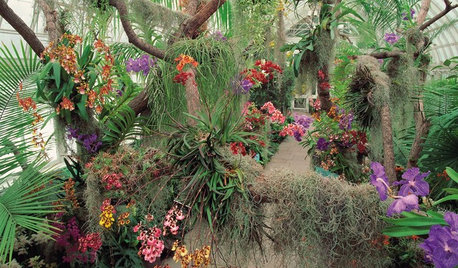
FLOWERSSee the Amazing Orchids Unfolding at a New York Garden Show
Get an eyeful of awe-inspiring orchids in incredible colors and learn how to keep one happily blooming at home
Full Story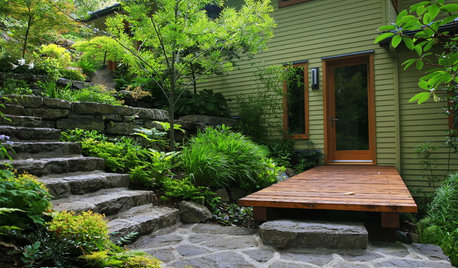
PLANTING IDEAS9 Beautiful Shady Yards Overflow With Lush Plantings
Find out how to mix foliage colors and textures to brighten dark areas and create dynamic shade plantings
Full Story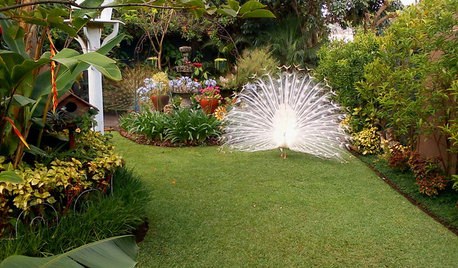
INSPIRING GARDENSGarden Tour: It’s Always Spring in This Guatemalan Paradise
A landscape architect’s tropical garden dazzles with colorful flowers, rare peacocks, parrots and toucans
Full Story
HOUSEPLANTS10 Top Plants to Grow Indoors
Brighten a room and clean the air with a houseplant that cascades artfully, stretches toward the ceiling or looks great on a wall
Full Story
Sponsored
splinter1804