

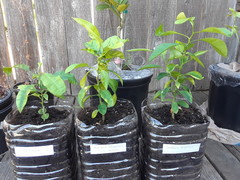
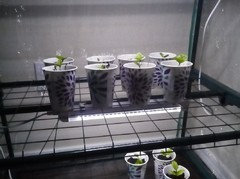
growing citrus seedlings
8 years ago
Featured Answer
Sort by:Oldest
Comments (8)
 8 years ago
Related Professionals
Rocky Mount Landscape Architects & Landscape Designers · Orangeburg Landscape Architects & Landscape Designers · Gary Landscape Architects & Landscape Designers · Middletown Landscape Architects & Landscape Designers · Salt Lake City Landscape Architects & Landscape Designers · Westminster Landscape Contractors · Akron Landscape Contractors · Florence Home Builders · Indianapolis Home Builders · Nashville Home Builders · Brainerd Home Builders · Westerly Home Builders · Victorville Home Builders · Dodge City Home Builders · Redding Home Builders- 8 years agolast modified: 8 years ago
 8 years ago
- 8 years agolast modified: 8 years ago
 8 years ago
- 8 years ago
- 8 years agolast modified: 8 years ago
Related Stories
EDIBLE GARDENSSummer Crops: How to Grow Tomatoes
Plant tomato seedlings in spring for one of the best tastes of summer, fresh from your backyard
Full Story
GARDENING GUIDESDwarf Citrus Trees Offer Miniature Size With Maximum Flavor
Find out how to grow the fruit you love in a smaller space
Full Story
GARDENING GUIDESSeeds or Seedlings? How to Get Your Garden Started
Growing delicious herbs and vegetables starts with knowing your goals and when you want to plant
Full Story
GARDENING GUIDESHow to Keep Your Citrus Trees Well Fed and Healthy
Ripe for some citrus fertilizer know-how? This mini guide will help your lemon, orange and grapefruit trees flourish
Full Story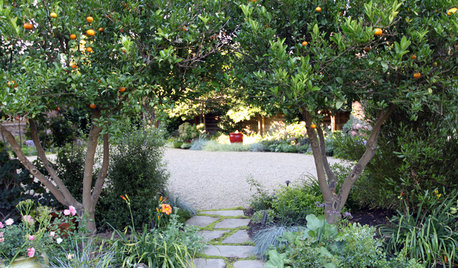
GARDENING GUIDESHow You Can Rejuvenate Your Citrus Trees This Winter
Give citrus trees a fresh start with these simple tips, and enjoy their abundant fruit and beauty
Full Story
COOL-SEASON CROPSCool-Season Vegetables: How to Grow Spinach
Chock-full of antioxidants and iron, spinach is a nutrient-rich addition to your fall or spring garden
Full Story
GARDENING GUIDESHerb Garden Essentials: Grow Your Own Delicious Mint
Pull out a pot for this one. Mint's spreading habit and hard-to-kill nature can be a blessing — if you're properly prepared
Full Story
FARM YOUR YARDHow to Grow Vegetables in Containers
Get glorious vegetables and fruits on your patio with a pro’s guidance — including his personal recipe for potting mix
Full Story
EDIBLE GARDENSHow to Grow 10 Favorite Fruit Trees at Home
Plant a mini orchard in fall, winter or early spring to enjoy fresh-off-the-tree fruit the following year
Full Story
TREES10 Top Trees to Grow in Containers
These container-friendly trees make great specimens for pots on the patio or marking an entrance
Full Story
socalnolympiaOriginal Author