

Winterizing hydrangea macrophyllas (time wise)
8 years ago
Featured Answer
Sort by:Oldest
Comments (13)
 8 years agolast modified: 8 years ago
- 8 years agolast modified: 8 years ago
Related Professionals
Toms River Landscape Architects & Landscape Designers · Fort Dodge Landscape Architects & Landscape Designers · South Bend Landscape Architects & Landscape Designers · Newport Landscape Architects & Landscape Designers · Magnolia Landscape Contractors · Atlanta Landscape Contractors · College Station Landscape Contractors · Virginia Beach Landscape Contractors · Fort Dodge Landscape Contractors · Chicago Landscape Contractors · Escanaba Landscape Contractors · Grand Junction Landscape Contractors · Kennewick Landscape Contractors · Sierra Vista Design-Build Firms · Seattle Design-Build Firms- 8 years ago
- 8 years agolast modified: 8 years ago
- 8 years agolast modified: 8 years ago
- 8 years ago
- 8 years ago
- 8 years ago
- 8 years agolast modified: 8 years ago
 8 years ago
- 8 years ago
- 8 years ago
Related Stories
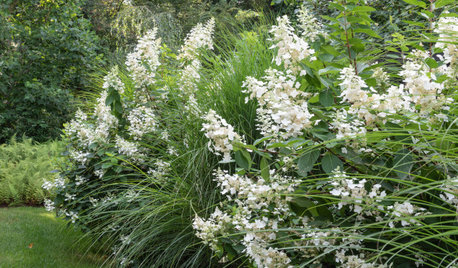
GARDENING GUIDESWhen Is the Right Time to Prune Your Hydrangeas?
The type of hydrangea you have determines when it’s time to trim
Full Story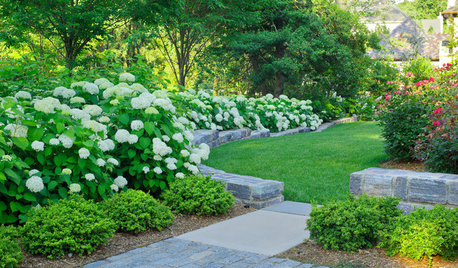
FLOWERS AND PLANTSHydrangea Arborescens Illuminates Garden Borders and Paths
This long-blooming eastern North American native shrub finds a home in landscapes around the world
Full Story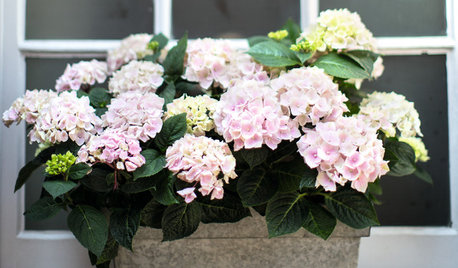
GARDENING GUIDESClassic Bigleaf Hydrangeas Add Old-Fashioned Charm to a Garden
These showy shrubs, familiarly known as mopheads, have long been a flower garden staple
Full Story
FALL GARDENINGWhy Fall Is the Best Time for Planting
Spring is overrated for planting. Starting plants in autumn has advantages for both garden and gardener
Full Story
GARDENING AND LANDSCAPINGHave a Ball With Hydrangeas
Even if you don't tinker with the hue by changing the soil, hydrangeas have an entertaining range of uses in all kinds of landscapes
Full Story
GARDENING 101When Should You Prune Your Trees and Shrubs?
Pruning keeps plants healthy. Find out the best time to cut back roses, flowering trees, needle-bearing shrubs and more
Full Story
GARDENING GUIDESYour Garden Is Stirring — Here’s What to Do in February
February is a good time to start seeds, shape up shrubs and watch for the earliest blooms. Here’s what to do in your part of the U.S. now
Full Story
GARDENING GUIDESCalifornia Gardener's June Checklist
Update your hydrangeas, catch up on tomatoes and more ways to enjoy your California garden in June
Full Story
LANDSCAPE DESIGN6 Ways You Can Save on Your Garden Renovation
Find out how to spend wisely without compromising on style — and what to splurge on for big impact
Full Story
LANDSCAPE DESIGNInside Houzz: Soft Geometry in a Modern Wisconsin Garden
In a city known for harsh winters, homeowners enjoy outdoor living inspired by Southern California
Full Story
luis_pr