Software
Houzz Logo Print
bradison20

1 Pipe Steam Heating System Replacement

7 years ago

My husband and I own and live in a 1929 3 flat house in Wisconsin. The heating system is original with the exception of the natural gas boiler which is about 60 years old. The boiler is not in great shape but it's still running strong. The radiators bang loudly when the steam enters or leaves and un-even heat is a BIG problem. Every winter it takes so much tweaking to get even heat throughout the three apartments. Because we live in the house right now, it's no problem to run up to the other apartments and adjust the valves if the tenants aren't getting enough heat but we plan to move next year and don't want to be driving to the house several times a week just to adjust the heat. So my question... Is it time to consider getting the system replaced? What are our best options? Ideally we'd want heat and AC and each unit to be able to control their temperature.

Comments (15)

  • 7 years ago

    With your current system, it would be very difficult (if not impossible) to bill tenants separately. And you can't add AC. One solution would be to put minisplit heat pumps in each apartment, which would provide AC and some heat at a lower operating cost. The existing system could provide heat when it's too cold for the heat pumps.

  • 7 years ago

    The first option is to replace the current boiler and fix the problems with the steam system. You should not have to adjust valves every heating season. Shut off valves are either on or off. The banging is caused by water trapped in a radiator. Putting a shim under the feet at the far end of the radiator will allow the water to drain back to the boiler.

    Get a copy of The Lost Art of Steam Heating. Dan Holohan is regarded as an steam heat expert. He has written a few books on the subject. I would think the money you would save in making the proper adjustments will pay for the book in one season.

    If you do replace the boiler then you need to find a contractor who knows how to properly install a steam boiler. The plumbing has to be done properly using cast iron piping.

    If you want to add cooling and have each tenant be able to control their own temperature then mini splits could be a good choice. Mini splits are a good solution for a 90 year old house where running duct work is difficult. But the head needs to be an area which has an open space. Old apartments have small rooms and doors. You could address that with a multiple head system. The other issue is the low temperatures of Wisconsin. The mini split won't provide much heat when the temperature goes below zero. For very cold temperatures the heat is supplemented with electric resistance heat. That can become expensive if the electric rates are high.

    The other option is to change the steam system into a hot water system using either the current radiators or installing baseboard heating. You could then create a heating zone for each apartment controlled by separate thermostats. It would require return piping back to the new boiler which involves a lot of work and expense. I don't think it is worth it. It also would not address the need to provide cooling.

  • 7 years ago
    Mtvhike right now we include heating costs in the rent and increase the rent accordingly. We’re fine with continuing that method it would just be nice to allow the tenants to have some control over the temp.

    Mike_home I meant vents not valves! We’re always having to readjust the vents, we never touch the valves. I also haven’t been able to find a main vent which makes me wonder if this is a part of the heat being uneven. But I also couldn’t find the end of the main line either... We will try the shims and I’ll check out that author. Thanks for the tips!
  • 7 years ago

    You shouldn't have readjust vents all the time. Something is not working well. Check the main line very carefully. Maybe a previous owner removed the main vent for some reason and replaced it with a plug. The system will operate poorly without a main vent.

    Bethany Radloff thanked mike_home
  • 7 years ago

    mike_home, my suggestion was to supplement the steam system (for use as heat in the milder winter conditions), not replace it. You're right about the cost of resistance heat.

    Bethany Radloff thanked mtvhike
  • 7 years ago

    mtvhike, that's another option the OP can consider. A steam system that is fueled by gas can also be very costly to operate if vents are not working properly, the cut in and cut out are set up properly, etc.

    Bethany Radloff thanked mike_home
  • 7 years ago
    While I am not familiar with Dan Holohan's UTube videos, I can recommend his site heatinghelp.com as an excellent source of information about steam heating. My previous house had two pipe steam and I learned quite a bit from the posts on that site.

    I have only worked on one house with single pipe steam and it had a radiator spitting water from the air valve. We shimmed up the far side of the radiator so the condensate flowed back to the boiler and that worked wonders. When we had a steam boiler, our first check was always water level in the boiler Many older buildings have settled over the years, and pipes and radiators which were pitched correctly now may be holding water. Shimming the radiators may help but the steam lines may be part of the problem and they are more difficult to access.

    Good luck finding a qualified contractor. Some of the people I have talked with over the years may have been willing to work on the system but they didn't truly understand steam heat. Lots of people think it is just like hot water and it is closer to hot water heat than to forced air but they are not the same.
    Bethany Radloff thanked Lyndee Lee
  • 7 years ago
    We found a qualified steam expert! He’s actually been trained by Dan H! He really knew his stuff... Anyway, he found the main vents, they had been dry walled in above our boiler room. He also said our boiler is on my 15 years old and has a lot of runway left. The first problem he recommends we address is the height of the hartford loop. Apparently the new boiler is much shorter than the original and the level of the Hartford loop was never adjusted. This now makes sense why we were having to fill the boiler every few days during the heating season. He recommends we do this first along with shimming the radiators. If that doesn’t improve things, he recommended replacing the vents as we currently have cheap hardware store vents, then setting all vents equal and then rebalance. Do you all think this was good advice?
  • 7 years ago
    last modified: 7 years ago

    It is good to hear you have found a steam expert and the main vents. Hopefully he is honest and will give you good advice.

    Here is an explanation of the Hartford Loop. Its main purpose is for safety in case the boiler looses all its water. The loop is supposed to be 2 inches below the water line. Is you water line below the loop? I am not sure why that would cause you to have to add water frequently.

    Did he recommend replacing the main vents? If they were buried in dry wall then the vent passage might be clogged with dust and dirt. I would start with those now.

    Check the valve connection to each radiator for leaks. Do this when when the radiators are the hottest. Any leak cause water to be lost. I would change any radiator vent that looks like it is not working well. They are easy to change yourself. Just be careful when unscrewing them from the radiator.


    I found this One Pipe Steam System document written by Peerless Boiler. It has some good diagrams to explain how a one pipe steam system works.

    Bethany Radloff thanked mike_home
  • 7 years ago

    Interesting thread! Even though we don't have steam heat, it's fun to learn about it here and through the informative links. Keep us posted on what you find.

    Bethany Radloff thanked AvatarWalt
  • 7 years ago

    We've been waiting on the company we found to do the repairs so we're just trying to get by for the time being... they are pretty back logged apparently.


    I have a follow up question regarding venting. Our second floor tenant was complaining that his radiator was not getting hot so we replaced the vent, which was actually broken and not letting air out. For the first few days there was even heat on the first and second floors but then all of a sudden we stopped getting any heat on the first floor. We figured this was an overventing issue so we closed the 2nd floor vents more and opened the 1st floor vents more. Because the thermostat is on the first floor, the boiler has been running non-stop. We've turned off the thermostat for 2 hours to try and get all the radiators cold and "reset" (not sure if this is what we should be doing, but with my understanding of vacuum in the system, this was required or the 2nd floor radiators would still keep taking all the heat regardless of any venting changes we make) We've done this several times and still no heat on the first floor. Since the change in venting is what caused this issue, what venting change do we need to make to get heat back on the first floor? Are we correct, that the system needs to go cold before we can see if any change we've made to venting works?

  • 7 years ago

    If the vents are working properly then there is no vacuum in the system and no need to cool down radiators to reset them.

    You said the first and second floors were working well for a few days, but then things changed. Does the first floor have have more than one radiator and if so do any of them get hot? Did you replace any of the main vents when you found them hidden in the drywall?

    If the problem is affecting more than one radiator then I it is likely to be a system issue. The fix could be a new main vent. I would also look into the cut in and cut out pressure settings. You may need the cut in pressure to be raised. But if you do just a small amount.

    When is your steam expert returning?

    Bethany Radloff thanked mike_home
  • 7 years ago

    The first floor has four radiators. Two have no heat currently but were getting heat a few days ago. The first and second floor kitchen radiators are always consistently hot and we never have a problem with them, but these two kitchen radiators are on their own separate main. We closed the valve on the fourth radiator on the first floor because we are currently short a vent and waiting for amazon to send us a new one!


    We did not replace the main vent as we were waiting for the contractor to come back. I think we just need to do it ourselves as they are taking too long to get here. Any recommendation on the type of vent to buy?


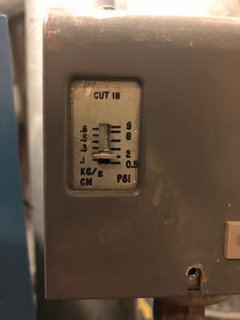
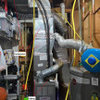
    The cut in looks to be set at 2? I wasn't sure if I was reading it correctly so I attached a picture. Isn't that high for residential? The other pressure gauge (round dial, is this cut out?) looks to be at 0.


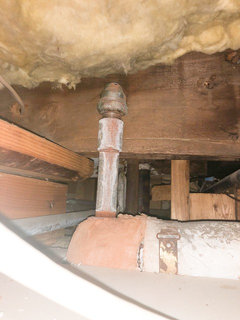
    Still no appointment set by the contractor even though I've called several times. Also, have a picture of the main vent buried in the ceiling, to replace this, we'll likely have to remove some drywall.


  • 7 years ago

    I would think a pressure of 2 psi would be sufficient. Did you buy Dan Holohan's book?