Software
Houzz Logo Print
dcarch7

Is Green the New Orange?

7 years ago
last modified: 7 years ago
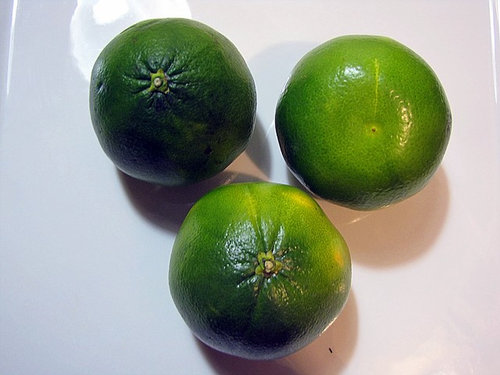
Is Green the New Orange? I hope so.


Did some shopping in NYC Chinatown. Came across these green oranges. Haven't seen them here before. I tried one and surprised that it was sweet, juicy, and had a very pleasant orange flavor. I bought a lot more.


I found out that it is natural for oranges to be ripe and green. Supermarkets gas them and dye them to be orange.


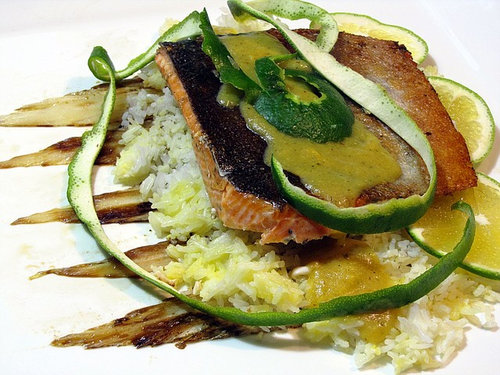
So I make SV crispy trout with orange sauce.

dcarch


Comments (24)

  • 7 years ago
    last modified: 7 years ago

    Yes, CA oranges are dyed. FL resisted for a long time but people liked the orange CA oranges more than the greenish FL ones. These days what remains of FL's orange crop mostly goes into juice.


    ETA but most popular orange varieties aren't that green, just greenish. Do you know what those are?

  • 7 years ago

    What I have read:

    "Here’s your answer, straight from the FDA: “Historically it has been the policy of the Food and Drug Administration to allow the artificial coloring of the skins of mature oranges. It is a common practice to color the skins of oranges in certain orange growing areas of the country because of climatic or cultural conditions which cause the oranges to mature while still green in color.”"

    dcarch

  • 7 years ago
    last modified: 7 years ago
    It's not gas; it's a liquid dye. In FL, it's usual for many varieties of oranges to look orange from a distance but to have mottled green areas when seen up close, especially when there hasn't been a cold spell.

  • 7 years ago
    last modified: 7 years ago

    Stop the presses! Oranges that aren't orange. I can't wrap my head around it. I mean, it was the obvious thing about them. Just saying "green oranges" won't come out.

  • 7 years ago

    All I know is the naval oranges that grow all over here in SoCal turn very orange on the trees.

  • 7 years ago

    Nonsense! The organic grown Oranges in my CA garden turn bright orange... no matter the weather. I have grown several different varieties in the past and they all turned orange... without any outside help. There may be varieties of Oranges that stay green, but they are 'outlanders'..... something different. Some varieties may not get as orange colored as others, but there is a reason that they have always been called Oranges. ( I wonder which came first - the fruit or the color. )


  • PRO
    7 years ago

    All the oranges I grow turn bright orange. I picked one this morning. In Persia (I think) oranges were grown as ornamental plants for the orange fruit, which was not eaten, as it was bitter. They have been hybridized to become sweet. My blood oranges turn a very dark red-orange on the exterior.

  • 7 years ago
    last modified: 7 years ago

    CA Kate, here is a bit of info I came across on the citrusgrowersforum and post from Millet:

    Posted: Mon 25 Feb, 2008 2:15 pm

    History is embodied in names. As to the orange both fruit and the word probably originated many millennia ago in northern India, where it still grows wild. The word is an example of the migrating "N". Sanskrit naranga or narungo became Hindustanized to narungee, Italian arancia (Latinized as aurantium) and Spanish naranja. So it could have been norange in English, instead of an orange, the same way Shakespeare has a nuncle for our an uncle. (The Orange Golden Joy) - Millet

  • 7 years ago
    last modified: 7 years ago

    I guess it's legal to dye an orange and I suppose somewhere sometimes people do, but I'll jump with others here, I grew up on 2 acres of old orange grove in southern CA. I spent my childhood and teenage years picking, selling and eating those oranges and others from friends who also had remnants of the old groves. In 50 years of gardening in southern CA I've grown all types of citrus. My in laws lived in Exeter CA, prime central valley orange country. In all of that time, in all of those places, with all of those trees, they all turned bright, uniform orange naturally. No dyes, not ever, not once.

  • 7 years ago

    My tangerines have finally turned orange, now that we've had a couple of cold spells.

    It is true that oranges need cold temp.s to color up, and can be ripe but still green on the outside. Not sure if that's true of other citrus as well.

    CA has much cooler temp.s than much of FL - esp. at night. Our night time temp.s only started dipping below the 80s in mid September, I think.

  • 7 years ago

    Sunshine: Interesting bit there on the origin of the name 'orange'. Did not occur to me that it could have come from narangi which is a common name in most of northern India. Actually, the origins are in north eastern India and a large part is in Bangladesh in Rangpur district (county in US terms). But many varieties are grown all throughout India. Apparently there are over 1500 citrus varieties in India but only a handful are commercially cultivated. Most of them are native to India and cannot be found here in US.


    I spent every summer during childhood at my grandma's place in the so called orange country pretty close to Rangpur. Many wild varieties of oranges there although summer was really mango time - not so much oranges in that region in summer. Except soccer ball sized pomelos - lol.


    The pic by OP is a very familiar look of certain oranges that were picked green - because they are already pretty sweet and firm. If allowed to turn orange they lose a lot of flavor. Same is true for some mangoes. My favorite used to be smallish green mango, texture like apple that is mostly sweet and little tart.

  • 7 years ago
    last modified: 7 years ago

    In Farsi the word is noranj for orange (fruit and colour). I have read an old archived book in Farsi about properties of noranj.

    The German word for orange is "apfelsine" meaning apple of China, the Russian word for orange is "apelsin", probably taken from German.

  • 7 years ago
    last modified: 7 years ago

    Except soccer ball sized pomelos - lol.

    Interesting. Winter is pomelo season here. They've just started coming in during the past week or so.

  • 7 years ago

    Well, green or orange oranges (I'm with rob333, "green orange" doesn't exactly roll off the tongue!), I'm looking at that trout flesh cooked beautifully, with the crispy skin (I still have yet to master that), on a bed of rice with orange sauce, and my stomach is grumbling. Lovely presentation with fall-wintry colors and the green of spring to come : ) Thanks for sharing dcarch!

  • 7 years ago

    One thing to remember about California fruit is that we typically keep the good stuff for ourselves. I've been horrified while travelling to see fruit displayed as "California oranges" or "California tomatoes", etc., as if that were a badge of honor, and the produce on offer was sad, scrawny, poorly colored and looked like the culls that are sent for processing rather than fresh produce. I've never heard of dyeing oranges before. As many others have said, we're used to oranges that are orange naturally, though there are the "ugly" oranges that are better for juicing (mostly Valencias with mottled rinds). I wouldn't be surprised if the oranges shipped out of state are gussied up, however.

  • 7 years ago

    Most citrus grown in other than Mediterranean climates remain green or light green when ripe. The fruit is ripe; and the skin is yellow or orange; but the chlorophyll in the skin hides the color. The "gassing" of the fruit is what we call in the industry "degreening"; defeat the chlorophyll and you will see the "real" color. You can accomplish the same thing by putting the fruit in the dark for 2 weeks.... same thing as if you put a board on your lawn for 2 weeks... when you pick it up, the grass is yellow; because in the absence of light the chlorophyll disappears. I have never heard of dyes or artificial colors being used for citrus.

  • 7 years ago

    writersblock: we also have a mango (Fazli) that can go up to 3 pounds - super sweet, creates a mess if it falls and dangerous to walk under the tree to say the least. Kids love it since it is like candy and adults hate it since it attracts flies and pests in the millions.


    The temperature profile in India is a lot different. Most places do not go below 45F especially where tropical fruits grow. Jan is coldest - high can still be 65-70F. Temps start rising in Feb. Highs will cross 100F by April/May and by June the monsoons will hit and highs will stabilize below 95F. So lot of tropical fruits ripen in Feb to July time frame.


    To OP: that trout looks yummy. Lime/Citrus flavor in fish is one of my favorite. Steamed in coconut/mustard is yummy too. If you like tart flavors try tamarind.

  • 7 years ago

    Sunshine: Thank you for the linage of "orange". It is always very interesting where words come from... and become.

  • 7 years ago

    In Asia where it is always warm, the oranges stay green, but are sweet and yummy with orange flesh. They do look a little weird though, when you’re used to orange oranges. There’s a great French restaurant that has been going for years in Hanoi, called “Green Tangerine”.

    Every so often the fruit growers’ association here posts big ads to remind us that Valencia oranges here tend to have a greenish tinge to their skins. I guess they must ripen here before the weather cools down enough to turn them completely orange.

  • 7 years ago

    If you visit Europe you'll see orange oranges on trees, yellow lemons, peachy peaches.......like jewels in the trees.

  • 7 years ago

    Sounds like a nice place. ;)

  • 7 years ago

    Islay, now I know why I miss the Coast so much. It's exactly as that sounds.

  • 7 years ago
    last modified: 7 years ago

    whadya talkin' about ... tons of words rhyme with ... green