

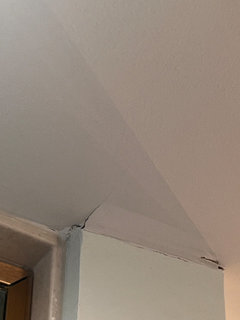
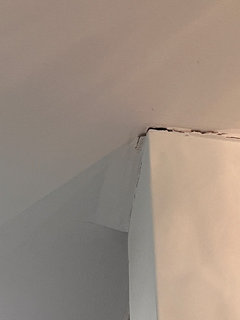
New construction cracking/separation at wall and ceiling
7 years ago
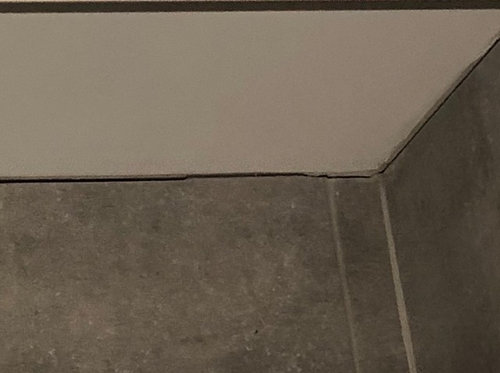
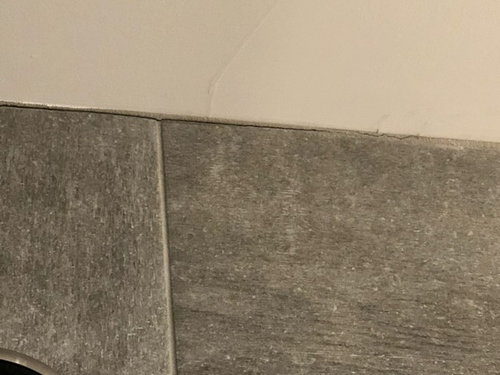

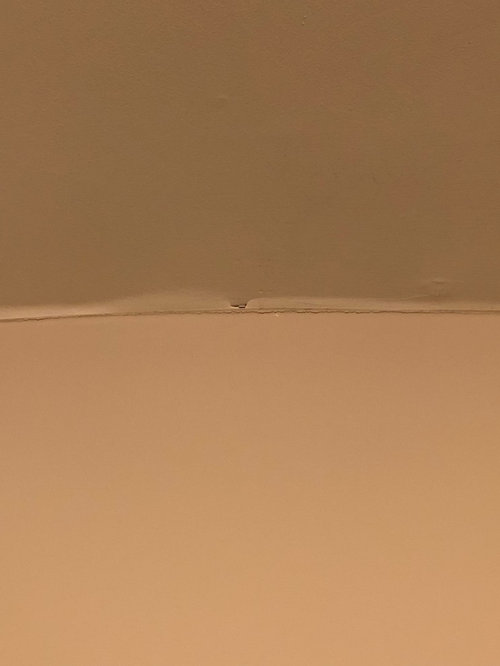
Featured Answer
Sort by:Oldest
Comments (24)
 7 years ago
 7 years agolast modified: 7 years ago
Related Professionals
Fort Worth Home Remodeling · Hempstead Home Remodeling · Saint George Home Remodeling · Ogden Home Remodeling · Potsdam General Contractors · Flagstaff General Contractors · Williston General Contractors · Coos Bay General Contractors · Hartford Bathroom Remodelers · Flagstaff Bathroom Remodelers · Kearney Architects & Building Designers · Miami Design-Build Firms · Providence Design-Build Firms · Aberdeen Design-Build Firms · Cowansville Home Builders 7 years ago
- 7 years ago
- 7 years ago
- 7 years agolast modified: 7 years ago
- 7 years ago
- 7 years ago
- PRO7 years ago
- 7 years ago
 PRO7 years ago
- 7 years ago
- 7 years agolast modified: 7 years ago
 PRO7 years ago
- PRO7 years agolast modified: 7 years ago
 7 years ago
- 7 years agolast modified: 7 years ago
 10 months ago
- 10 months ago
 PRO10 months agolast modified: 10 months ago
- 10 months ago
- 10 months ago
- PRO10 months ago
Related Stories
DECORATING GUIDESThe Fifth Wall: Creative Ceilings Take Rooms to New Heights
A plain white ceiling isn’t always the best choice for a room. Consider these options for soothing to stunning effects
Full Story
LANDSCAPE DESIGNGarden Walls: Dry-Stacked Stone Walls Keep Their Place in the Garden
See an ancient building technique that’s held stone walls together without mortar for centuries
Full Story
REMODELING GUIDES11 Reasons to Love Wall-to-Wall Carpeting Again
Is it time to kick the hard stuff? Your feet, wallet and downstairs neighbors may be nodding
Full Story
ARCHITECTUREDesign Workshop: How to Separate Space in an Open Floor Plan
Rooms within a room, partial walls, fabric dividers and open shelves create privacy and intimacy while keeping the connection
Full Story
DECORATING GUIDES15 Ways to Create Separation in an Open Floor Plan
Use these pro tips to minimize noise, delineate space and establish personal boundaries in an open layout
Full Story
REMODELING GUIDESKnow Your House: Components of Efficient Walls
Learn about studs, rough openings and more in traditional platform-frame exterior walls
Full Story
KITCHEN DESIGNWhy a Designer Kept Her Kitchen Walls
Closed kitchens help hide messes (and smells) and create a zone for ‘me time.’ Do you like your kitchen open or closed?
Full Story
REMODELING GUIDESTongue and Groove Wall Paneling Joins the Comeback Club
Try this smooth architectural move to give your walls a streamlined appearance that conveys quality
Full Story
MORE ROOMSWhere to Put the TV When the Wall Won't Work
See the 3 Things You'll Need to Float Your TV Away From the Wall
Full Story
DECORATING GUIDESHow to Work With a High Ceiling
Learn how to use scale, structure and shapes to create a homey-feeling space below a grand ceiling
Full Story




Virgil Carter Fine Art