

Prevent Water Intrusion
7 years ago


Sort by:Oldest
Comments (7)
Related Stories
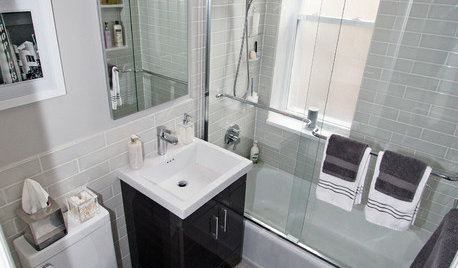
BATHROOM DESIGNWater Damage Spawns a Space-Saving Bathroom Remodel
A game of inches saved this small New York City bathroom from becoming too cramped and limited
Full Story
GARDENING GUIDESEdible Gardening Essentials: Tips for Traditional Hand Watering
Save the expense and hassle of a complicated garden system with a simple watering can or inexpensive hose add-ons
Full Story
HEALTHY HOMEHow to Keep Water Vapor From Ruining Your House and Your Health
We help you find out when it’s happening, what it means and how to fix it
Full Story
DISASTER PREP & RECOVERYRemodeling After Water Damage: Tips From a Homeowner Who Did It
Learn the crucial steps and coping mechanisms that can help when flooding strikes your home
Full Story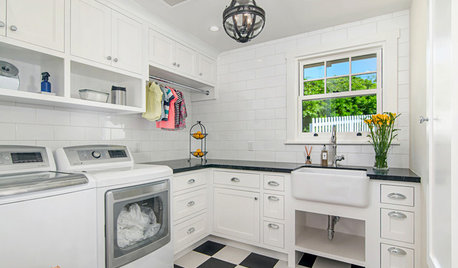
HOUSEKEEPING4 Tips to Help Prevent Winter Dryer Fires
Find out why dryer fires spike in the winter and how you can prevent them in your home
Full Story
GARDENING GUIDESYour Summer Watering Guide for Happy and Healthy Plants
Find out when and how to water your garden beds to keep your plants thriving
Full Story
WINDOW TREATMENTSA Surefire Way to Prevent Sun Damage Indoors
Why let light ruin your furniture, floors and artwork, when the solution could be as simple as applying high-quality window film?
Full Story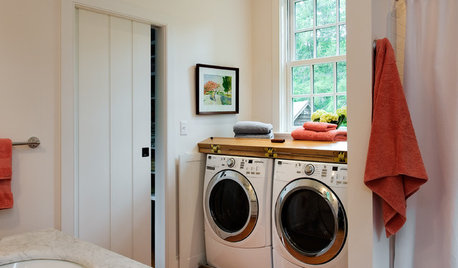
GREEN BUILDINGWater Sense for Big Savings
Keep dollars in your pocket and preserve a precious resource with these easy DIY strategies
Full Story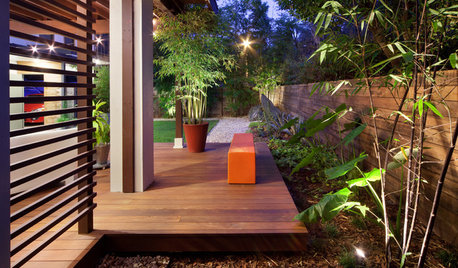
LIFEThe Top 5 Ways to Save Water at Home
Get on the fast track to preserving a valuable resource and saving money too with these smart, effective strategies
Full Story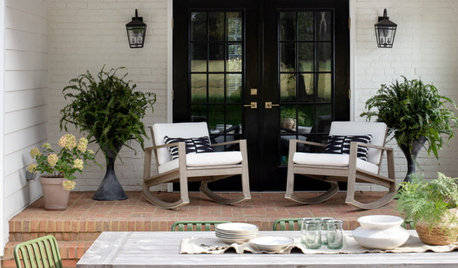
SUMMER GARDENINGHow to Water and Refresh Your Potted Plants Over the Summer
Keep container gardens looking lush by cooling them down when temperatures rise and by giving them a seasonal spruce-up
Full Story
Patricia Colwell Consulting
wishiwereintheup
Related Professionals
Garden City Home Remodeling · Waycross General Contractors · Petersburg General Contractors · El Paso Bathroom Remodelers · Anderson Home Remodeling · Altoona Home Remodeling · Helena Home Remodeling · Bainbridge Bathroom Remodelers · Wilmington Interior Designers & Decorators · Sioux Falls Interior Designers & Decorators · Kissimmee Architects & Building Designers · Wilmington Architects & Building Designers · Pueblo Architects & Building Designers · Queens Architects & Building Designers · Kearney Kitchen & Bathroom DesignersMelissa R
Kathi Steele
tatts
houssaon
ci_lantro